Econ
Positive performance from the FDI sector
According to the Foreign Investment Agency of the Ministry of Planning & Investment, in the first 9 months of 2017, total foreign direct investment (FDI) has been record high with 25.48 billion USD, up 34.3% compared with the same period of last year. Meanwhile, the disbursed FDI until September is 12.5 billion USD, up 13.4%.
Out of the 25.48 billion USD from FDI fund, there is 14.56 billion USD of 1,844 newly approved projects, up 30.4%; 6.75 billion USD of 878 capital-adjusted projects, up 28.3%; and 4.16 billion USD of 3,742 requests for contributing capital and buying shares from foreign investors, up 64% compared with the same period of 2016.

This is positive result, as both newly approved capital, additional capital, new capital through investment and buying shares, and disbursement capital have been higher than the same period of last year. Is is estimated by the Ministry of Planning & Investment, that the FDI disbursement will exceed 16 billion USD in 2017, while the committed FDI can raise to 28 billion USD.
The Asian Development Bank (ADB) evaluated, FDI plays an essential role for the Vietnam’s economic growth. Among economic sectors being invested in Vietnam, the industrial processing and manufacturing is dominating with 183.5 billion USD (59.1% of the total investment). This sector has been growing at 10.5% in the first 6 months due to FDI enterprises pushing forward in production. As such, it is one of the main reason contributing to the increase in Vietnam export.
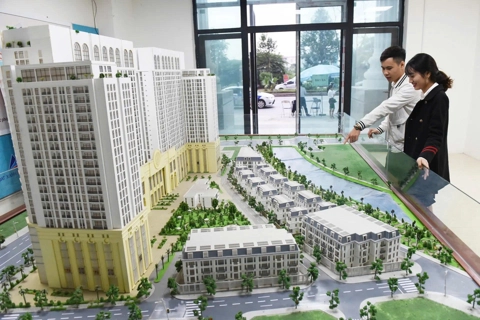
In the second place is the real estate with 51.1 billion USD (16.5% of the total investment). And the third place is industrial manufacturing of electricity, hydro gas with 17.8 billion USD (5.7% total investment). The Prime Minister approved the selling price of solar energy for Vietnam Electricity Group (EVN) is 9.35 UScent/kWh, which is significantly higher than the average retail price of electricity of 7.3 UScent/kWh. This is one of the factor motivates foreign investors to invest in solar energy.
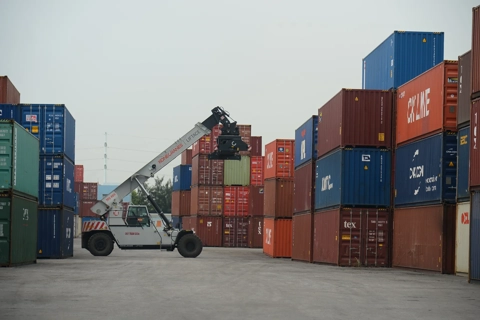
FDI from Vietnam biggest trade partners, including Japan and Korea has significantly improved in recent years. Samsung Electronics (Korea) is the biggest exporter of Vietnam, contributing 20% of Vietnam’s export in 2016. The growth of FDI explains reason why growth indicators of Vietnam are higher than other Asian economies, such as Indonesia and Malaysia with the same level of competitiveness. Moreover, FDI growth means factories are being constructed quickly, bringing more job opportunities for employees.
The World Bank evaluated the flow of FDI into Vietnam is thanks to the long term prospect of the economy, together with the abundant labor force and market openness. However, if Vietnam can have a higher role in the global value chain, the country can attract more FDI, in turn creates jobs and opportunities for local suppliers. “Despite Vietnam has a good flow of FDI, but the country need to increase efficiency. In order to to this, it is important to increase competitiveness of local enterprises to get a higher role in the global value chain” – Mr. Ousmane Dion – Director of the World Bank in Vietnam.
At present, only 9% of Vietnamese enterprises are qualified to take part in the global value chain. In reality, the majority of these enterprises are FDI enterprises, local enterprises if qualified are only sub-suppliers with simple products and low added value. With regard to production scale, technology, investment, product quality, management, Vietnamese enterprises are in disadvantage and cannot catch up with the technology advancement of leading FDI enterprises. Representative of Samsung Vietnam said, Vietnam need to clearly identify the plan for its enterprises taking part in the global value chain. The first step can be selecting high potential enterprises, supporting them to cooperate with foreign enterprises to gain experience and transfer technology. The next step is to support fund to expand investment scale, increase quality of production and management. At the same time, it is necessary to develop and foster creative staffs to improve connectivity and transform technology from FDI enterprises.
This is positive result, as both newly approved capital, additional capital, new capital through investment and buying shares, and disbursement capital have been higher than the same period of last year. Is is estimated by the Ministry of Planning & Investment, that the FDI disbursement will exceed 16 billion USD in 2017, while the committed FDI can raise to 28 billion USD.
The Asian Development Bank (ADB) evaluated, FDI plays an essential role for the Vietnam’s economic growth. Among economic sectors being invested in Vietnam, the industrial processing and manufacturing is dominating with 183.5 billion USD (59.1% of the total investment). This sector has been growing at 10.5% in the first 6 months due to FDI enterprises pushing forward in production. As such, it is one of the main reason contributing to the increase in Vietnam export.
In the second place is the real estate with 51.1 billion USD (16.5% of the total investment). And the third place is industrial manufacturing of electricity, hydro gas with 17.8 billion USD (5.7% total investment). The Prime Minister approved the selling price of solar energy for Vietnam Electricity Group (EVN) is 9.35 UScent/kWh, which is significantly higher than the average retail price of electricity of 7.3 UScent/kWh. This is one of the factor motivates foreign investors to invest in solar energy.
FDI from Vietnam biggest trade partners, including Japan and Korea has significantly improved in recent years. Samsung Electronics (Korea) is the biggest exporter of Vietnam, contributing 20% of Vietnam’s export in 2016. The growth of FDI explains reason why growth indicators of Vietnam are higher than other Asian economies, such as Indonesia and Malaysia with the same level of competitiveness. Moreover, FDI growth means factories are being constructed quickly, bringing more job opportunities for employees.
The World Bank evaluated the flow of FDI into Vietnam is thanks to the long term prospect of the economy, together with the abundant labor force and market openness. However, if Vietnam can have a higher role in the global value chain, the country can attract more FDI, in turn creates jobs and opportunities for local suppliers. “Despite Vietnam has a good flow of FDI, but the country need to increase efficiency. In order to to this, it is important to increase competitiveness of local enterprises to get a higher role in the global value chain” – Mr. Ousmane Dion – Director of the World Bank in Vietnam.
At present, only 9% of Vietnamese enterprises are qualified to take part in the global value chain. In reality, the majority of these enterprises are FDI enterprises, local enterprises if qualified are only sub-suppliers with simple products and low added value. With regard to production scale, technology, investment, product quality, management, Vietnamese enterprises are in disadvantage and cannot catch up with the technology advancement of leading FDI enterprises. Representative of Samsung Vietnam said, Vietnam need to clearly identify the plan for its enterprises taking part in the global value chain. The first step can be selecting high potential enterprises, supporting them to cooperate with foreign enterprises to gain experience and transfer technology. The next step is to support fund to expand investment scale, increase quality of production and management. At the same time, it is necessary to develop and foster creative staffs to improve connectivity and transform technology from FDI enterprises.