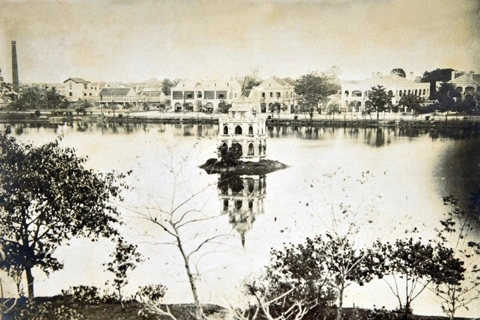
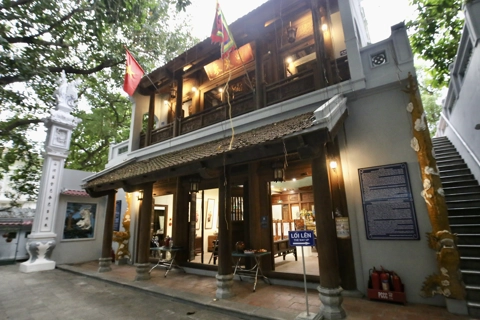
These rare documentary images are on display at the "Sword Lake: East-West Intersection" exhibition at the Hoan Kiem Lake Cultural Information Center through October 31.
More than 100 documents, materials, photographs, design drawings, and planning maps provide a comprehensive view of Hanoi's transformation from the early 19th century to the mid-20th century.
Hanoi's landscape and daily life are captured in the documentary photos, bringing back fond memories of Hoan Kiem or Sword Lake in the old days.
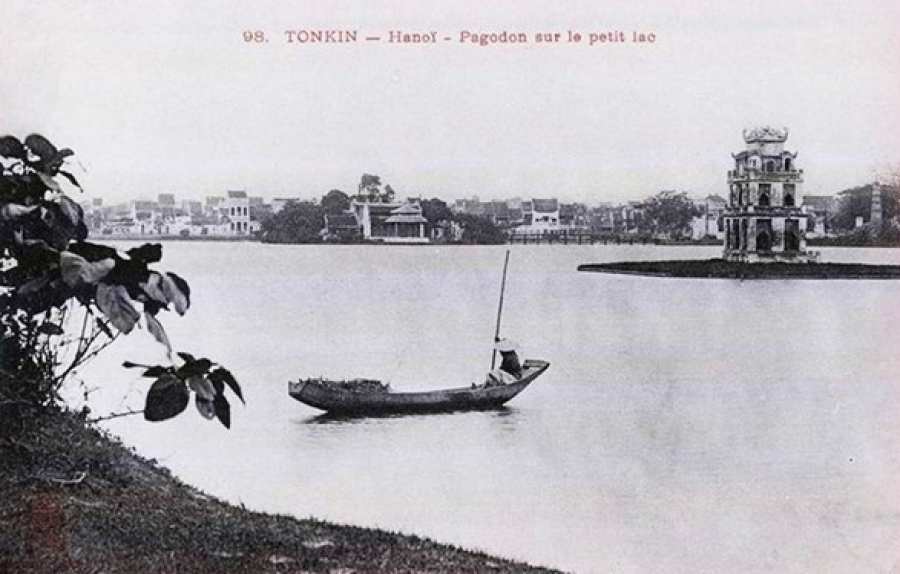
Sword Lake, a remnant of the ancient Nhi Ha River, is a landmark of the capital, surrounded by the streets of Hang Khay - Le Thai To - Dinh Tien Hoang.
With its prime location, the area was a crossroads connecting the East and West in terms of architecture and culture.
At the end of the 19th century, French-style buildings such as the Post Office, City Hall, Embassy, Indochina Bank, and others were erected. After almost a century, these magnificent buildings still retain their values and endure to this day.
|
| Sword Lake, a remnant of the ancient Nhi Ha River, is the capital's landmark. |
|
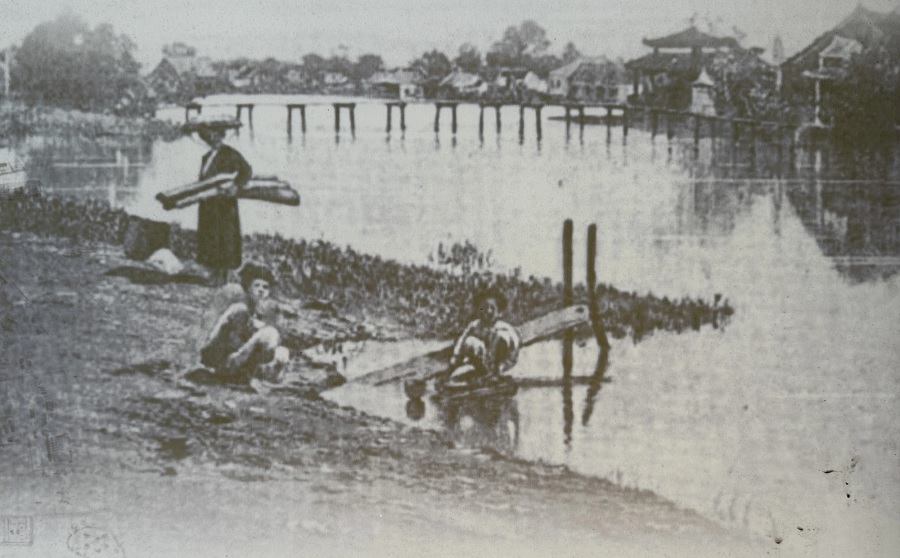
| In 1884, Sword Lake was still a rural pond with footbridges installed. There were also various small huts and narrow lanes around the area. |
|
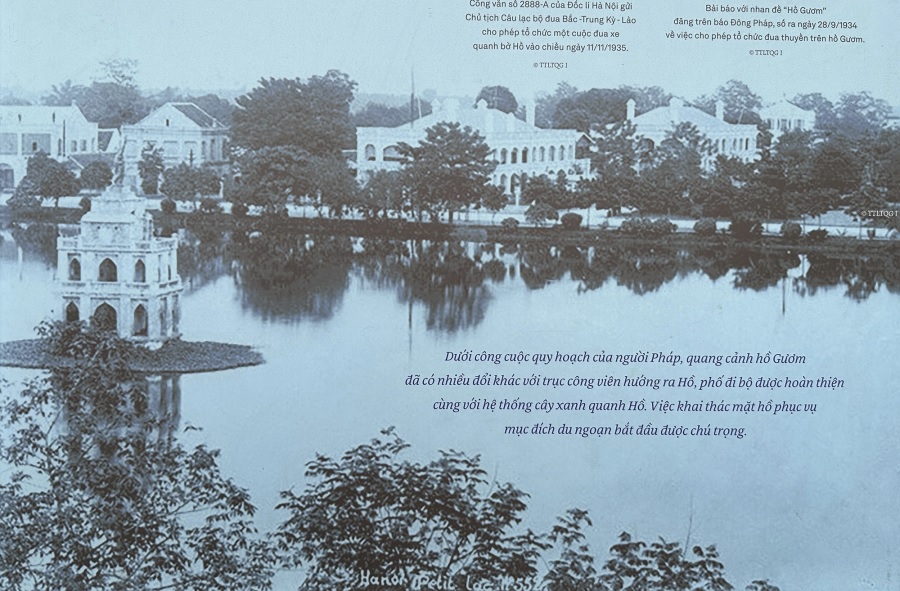
| Under the planning of the French, the landscape around Sword Lake has changed drastically. A dense system of trees is planted around the lake. Meanwhile, the exploitation of the lake surface for tourism started to be a concern. |
|
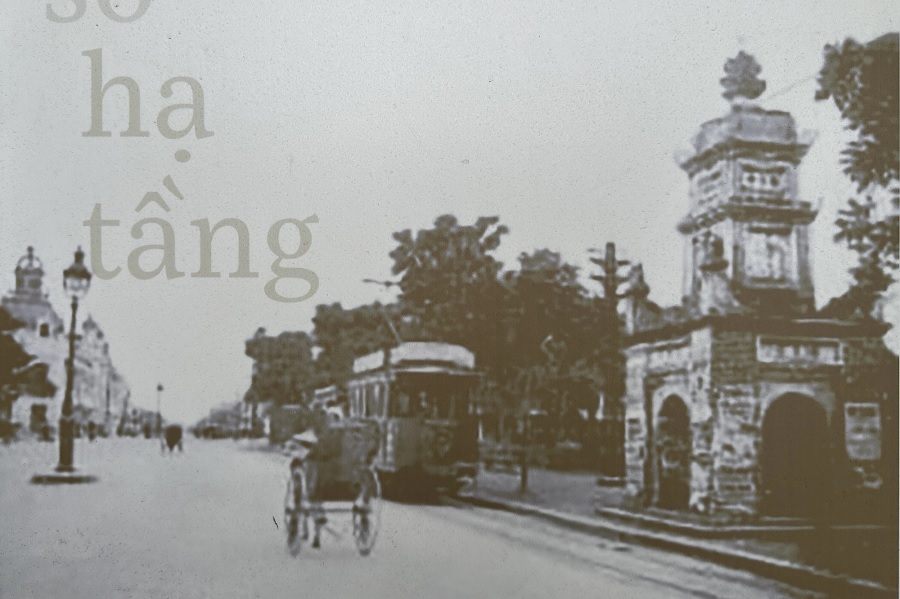
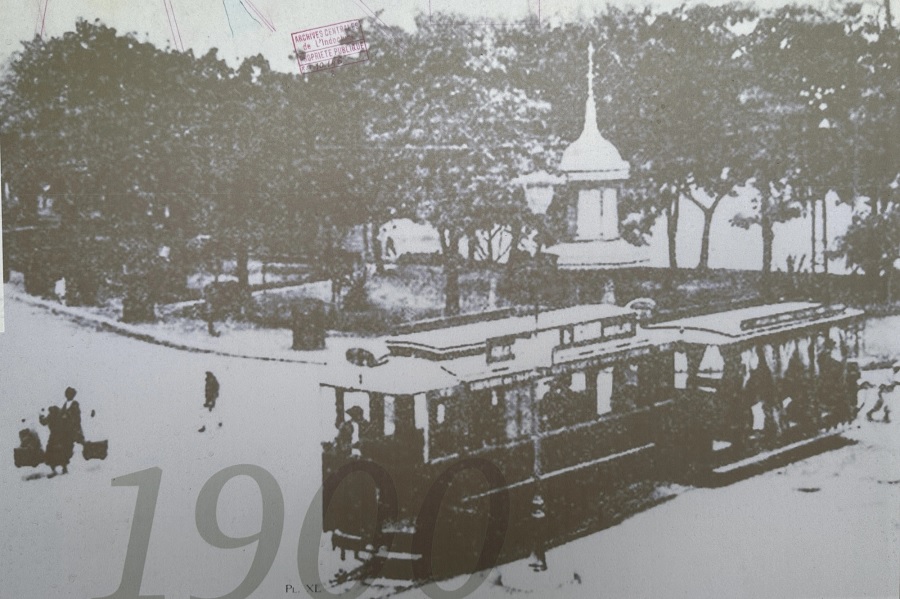
| A tram going through Hoa Phong Tower, the only remnant of the demolished Bao An Pagoda on the shore of Sword Lake. |
|
| Dong Kinh Nghia Thuc Square is the intersection of many tram lines. |
|
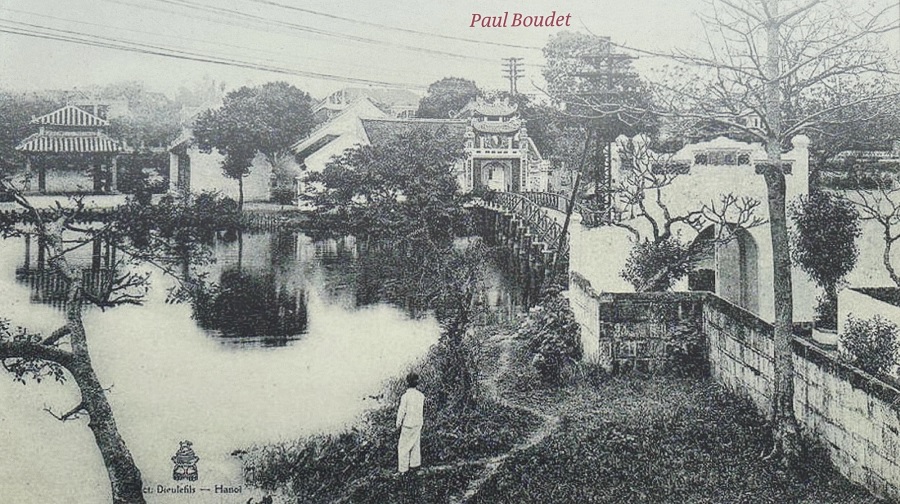
| The scenery of Sword Lake, Ngoc Son Temple, and The Huc Bridge in the old days. |
|
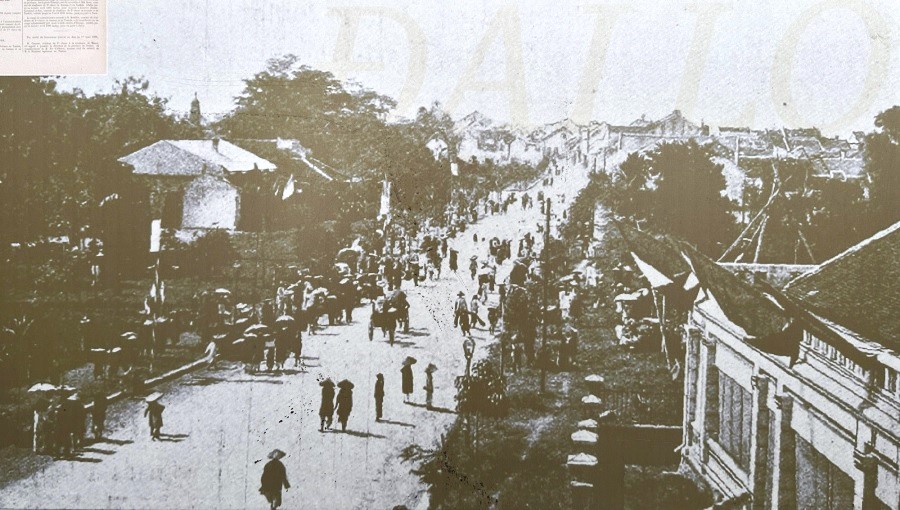
| Francis Garnier Avenue or today’s Dinh Tien Hoang Street in 1900. |
|
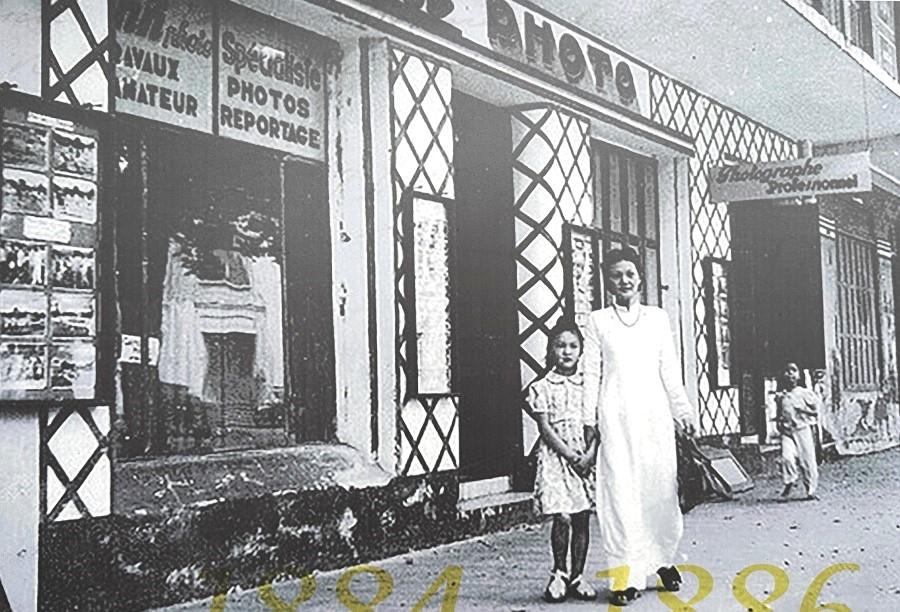
| Between 1884 and 1886, numerous luxury fashion shops, bookstores, and pharmacies were opened in the commercial streets around Sword Lake, including Trang Tien and Hang Khay streets. |
|
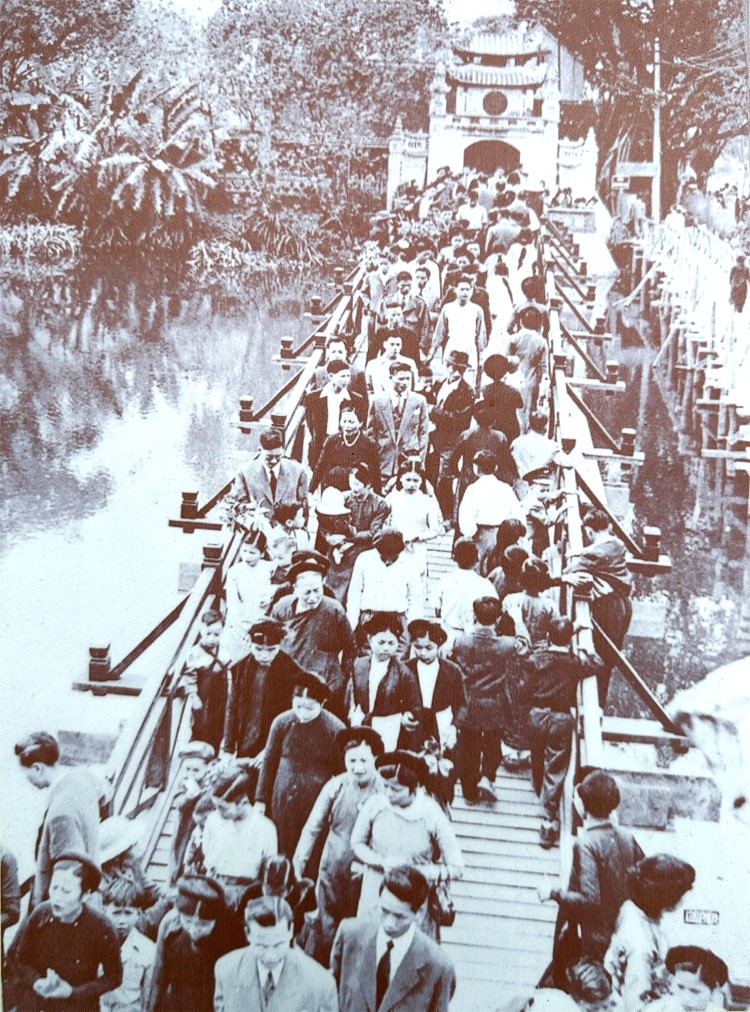
| People cross The Huc Bridge to Ngoc Son Temple. The bridge collapsed on the night of February 13, 1953. It was rebuilt in early 1954 thanks to donations from local and French citizens. |
|
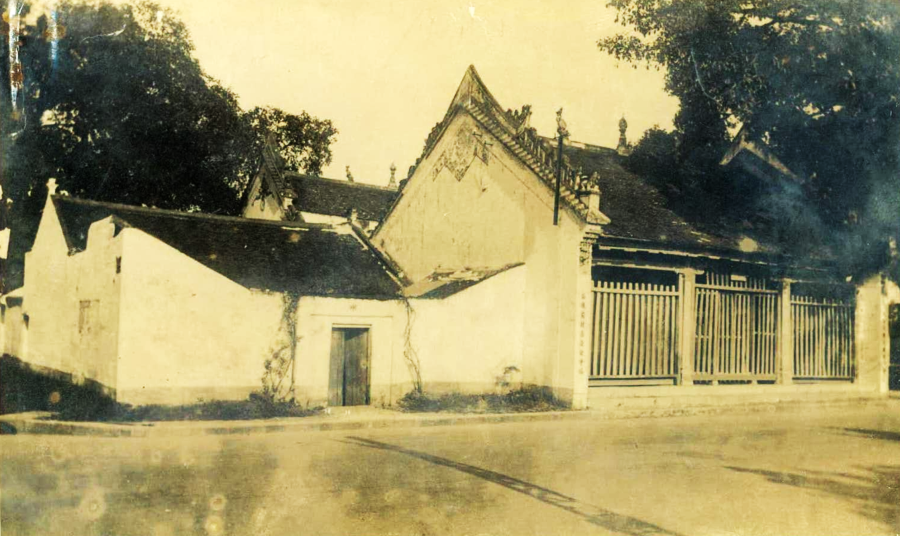
| Ba Kieu Temple, located east of Sword Lake, was built in the early 19th century under the regime of King Le Than Tong (1619-1628) to worship Holy Mother Lieu Hanh and her two maids Quynh Hoa, Que Hoa. |
|
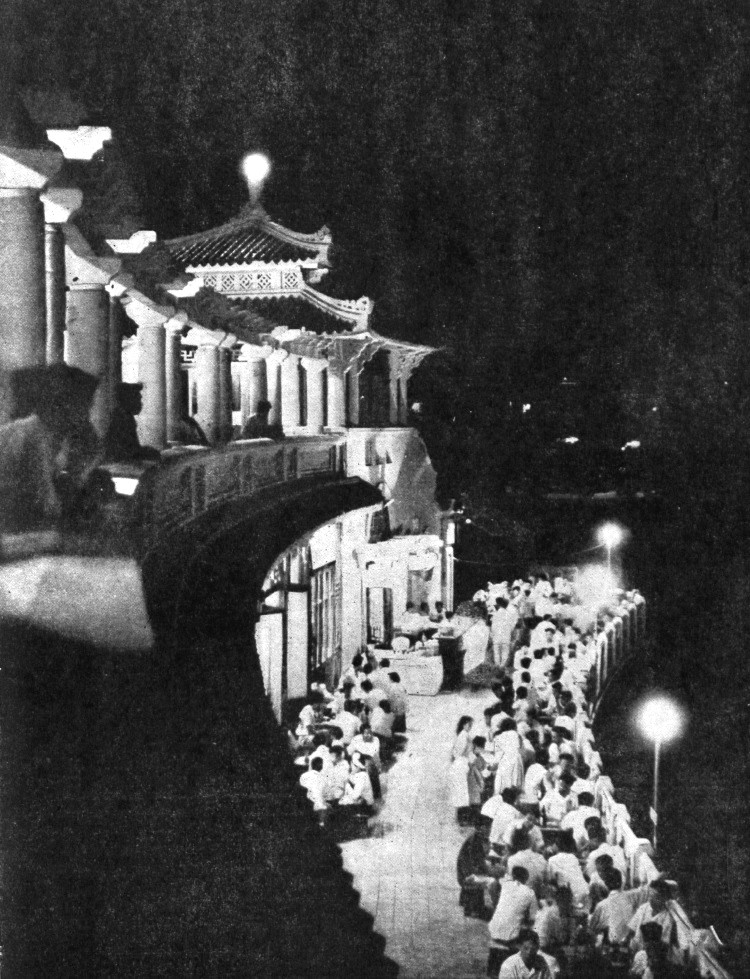
| Thuy Ta House or "a pavilion over the water", built in 1936, is the only building on the shore of Hoan Kiem Lake. After 1954, it was converted into a restaurant. |
|
| On the left side of Chavassieux Square (now Dien Hong or Toad Flower Garden) is the famous Metropole Hotel and on the right side is the Tonkin Governor's Palace. |
|
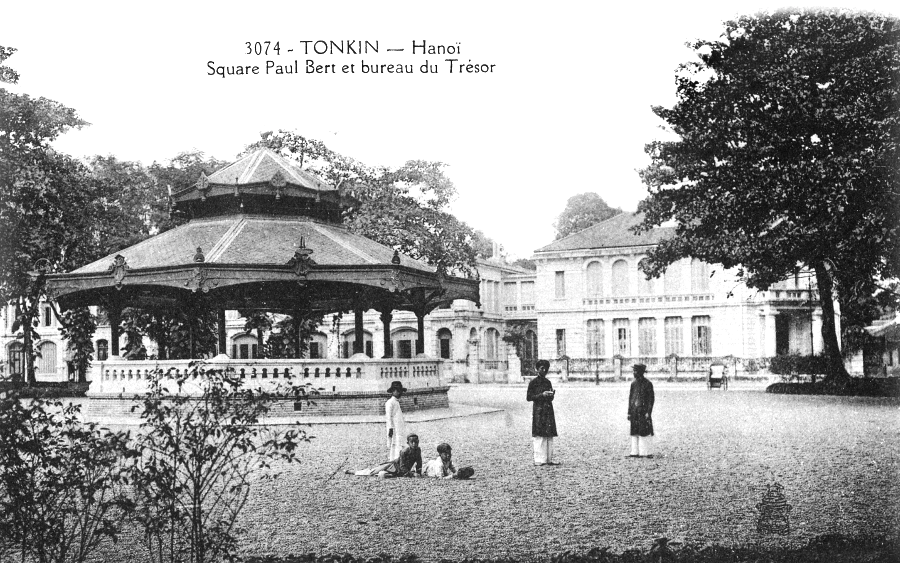
| Paul Bert Square (now Ly Thai To Flower Garden) and the former Hanoi Treasury Building. |