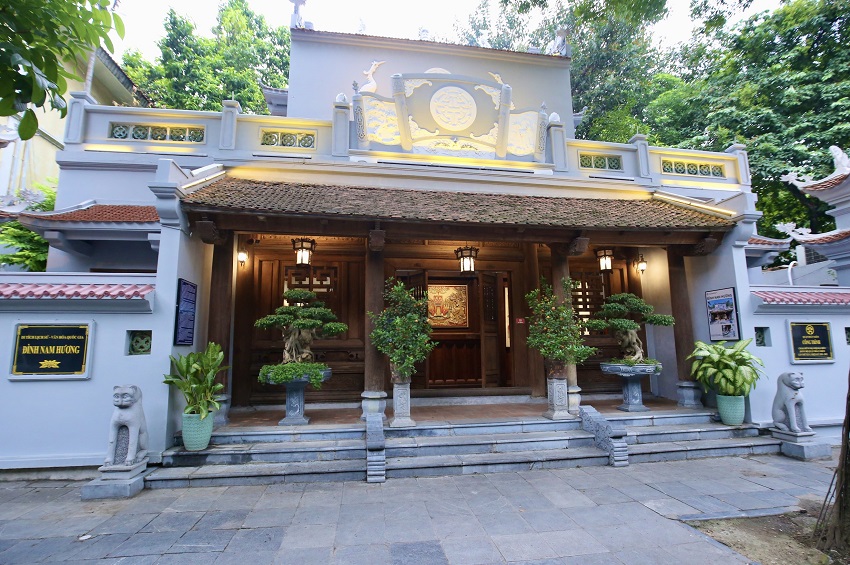
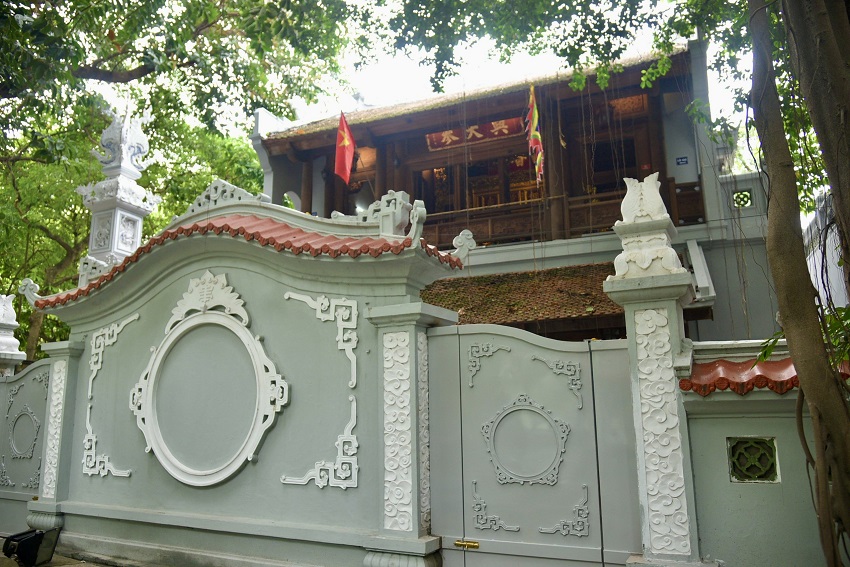
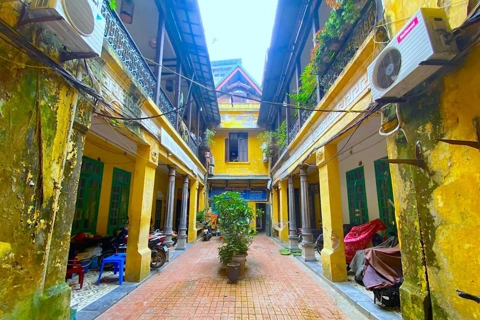
Together with the statue of King Le and Hoan Kiem Lake, Nam Huong Community House forms a charming tourist cluster with cultural and historical significance on the shore of Hoan Kiem Lake.
Facing Hang Trong Street, the site is located in an architectural complex of three ancient architectures, including King Le Thai To, aka King Le Monument, Phuong Dinh (Square House), and Nam Huong Communal House on the northern shore of Hoan Kiem Lake.
The ancient communal house has become a tourist attraction for many local and international visitors.
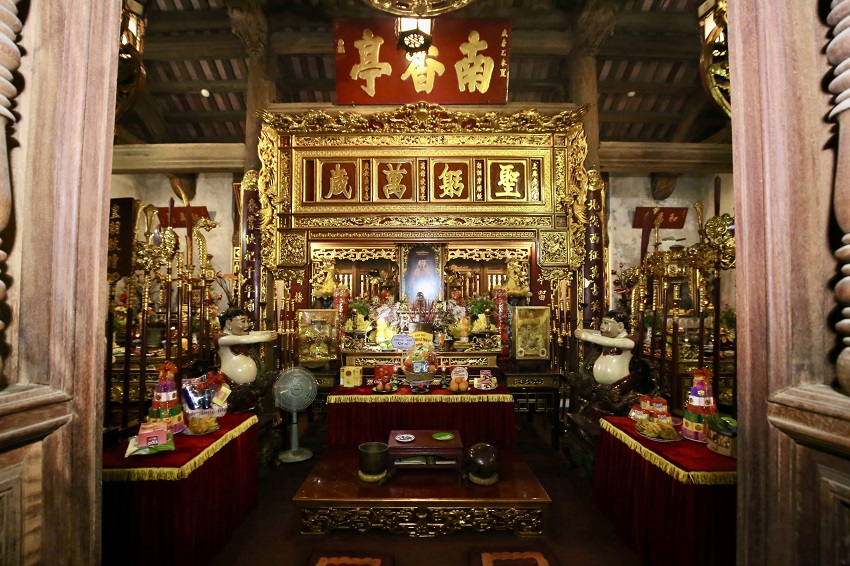
Built at the end of the Le Dynasty (1009-1225), the communal house bears strong imprints of Hanoi's history, worshipping three gods, namely Long Do, Cao Son, and Linh Lang; A Duy Princess (of the Ly Dynasty, from 1009 to 1225) and Prince Duong Tu (of the Nguyen Dynasty, from 1802 to 1883).
It has two entrances, one facing Le Thai To Street by Hoan Kiem Lake and the other opening onto Hang Trong Street.
According to Dang Duc Phuong, Head of Nam Huong Communal House Management Subcommittee, the communal house is one of the special relics in Hanoi.
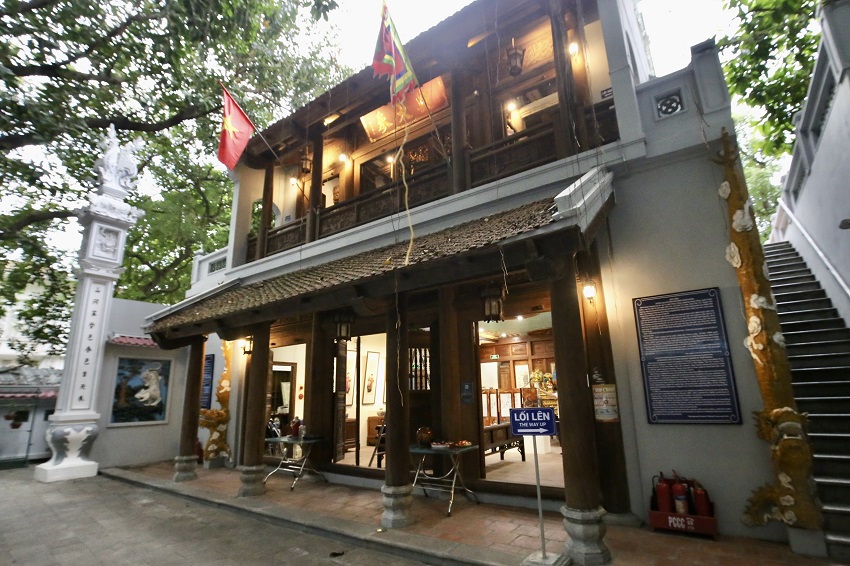
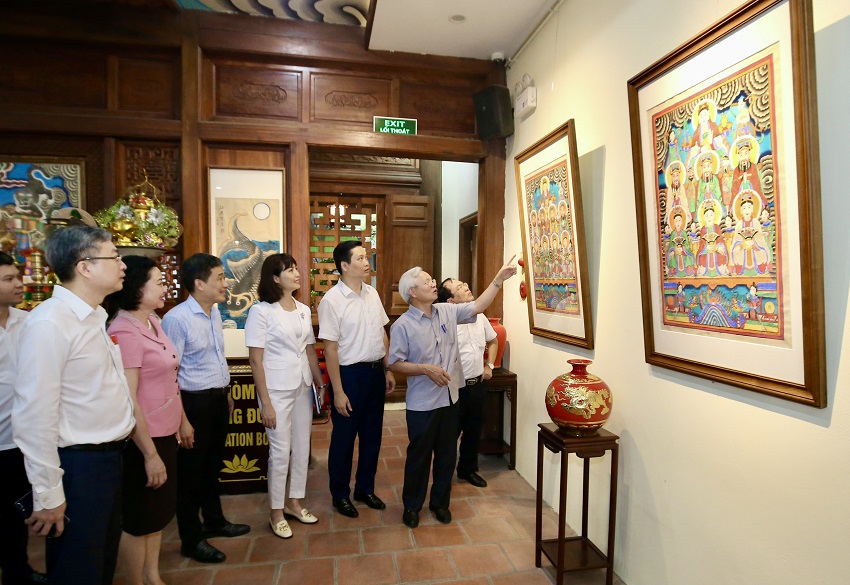
"Located on an area of 441.5 square meters, the communal house consists of two floors, the first floor houses an exhibition space, while the second floor is dedicated to the worship of saints in history," he said.
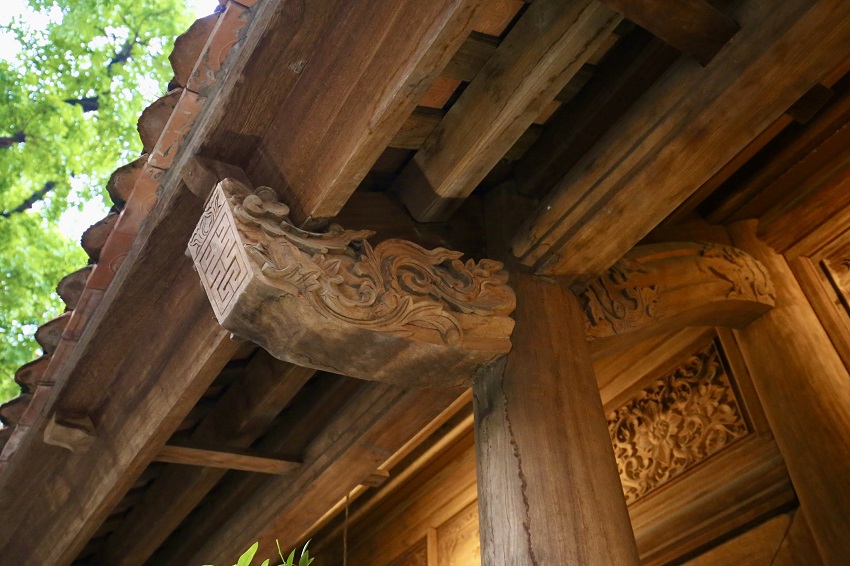
Through many reconstructions, the house now has the characteristics of Nguyen dynasty architecture. It also preserves 19 ordination edicts of kings from different dynasties to deify the mentioned gods, princes, and princesses; the earliest ordination edict is from the reign of King Canh Hung (1747), the latest from the reign of King Bao Dai (1944); as well as many other worship antiques. Since 1995, the communal house has been listed as one relic of the Ho Guom monuments cluster and recognized as a national historical monument by local authorities. In 2006, Nam Huong Communal House experienced restoration of some of its elements, including paving the stone in the front yard and repairing the staircase, roof, and an old screen based on ancient royal architecture.
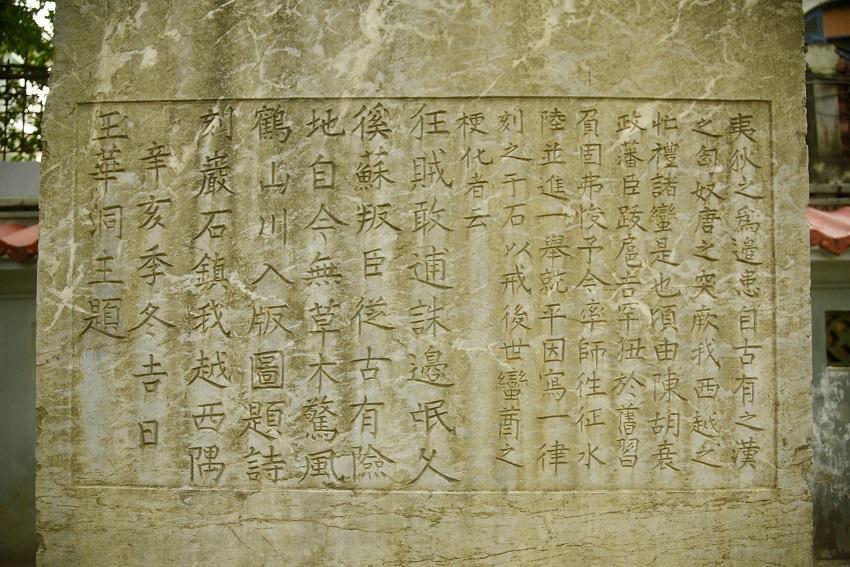
In the airy, lush green courtyard of Nam Huong Communal House, there is still a poem by King Le (1385-1433) engraved on stone.
Nowadays, Nam Huong Communal House has become an interesting cultural and historical destination for locals, domestic, and international tourists.
|
| The recently restored Nam Huong Communal House in Hanoi. Photos: Duy Khanh/The Hanoi Times |
|
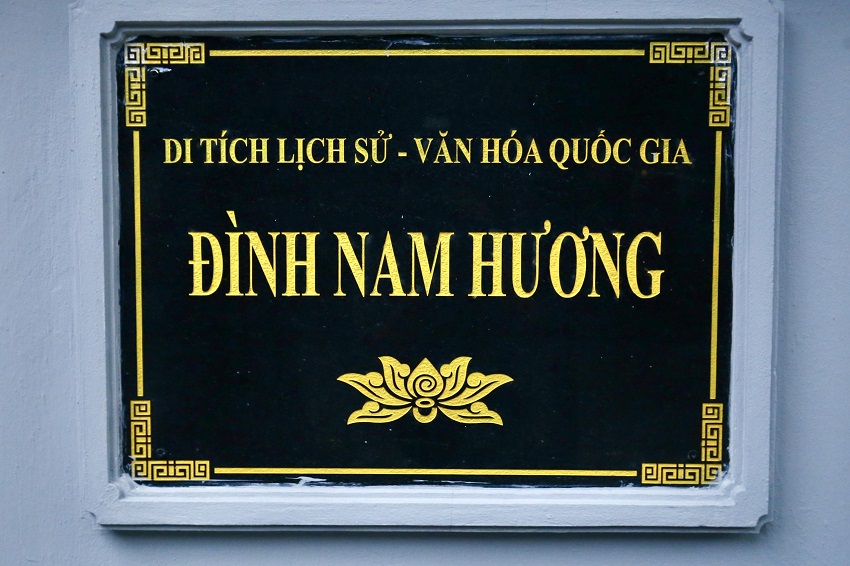
| The Nam Huong Communal House is recognized as a national historical-cultural relic of Vietnam in 1995. |
|
| The serene space inside Nam Huong Communal House. |
|
| The charming historical and cultural relic site is located on the shore of Hoan Kiem Lake. |
|
The side door of the relic is behind the monument of King Le. |
|
| The second floor is built in the shape of the word "Nhi" or second (Sino-Vietnamese vocabulary). |
|
| It features the Tien duong or resting place and Hau cung or worship place |
|
| The sophisticated carvings on the roof of the house. |
|
| Stone-engraved poem of King Le Thai To. |
|
| Nam Huong Communal House is now a favorite cultural rendezvous for locals and tourists. |
|
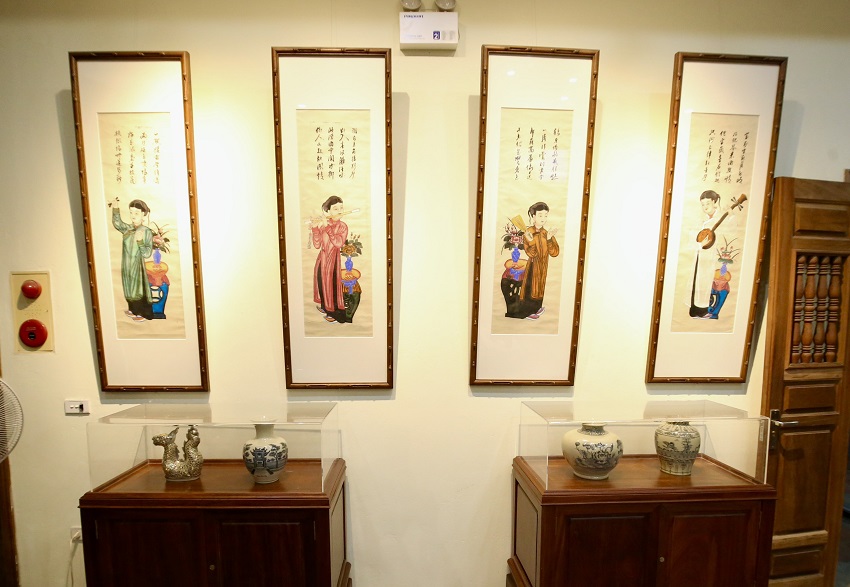
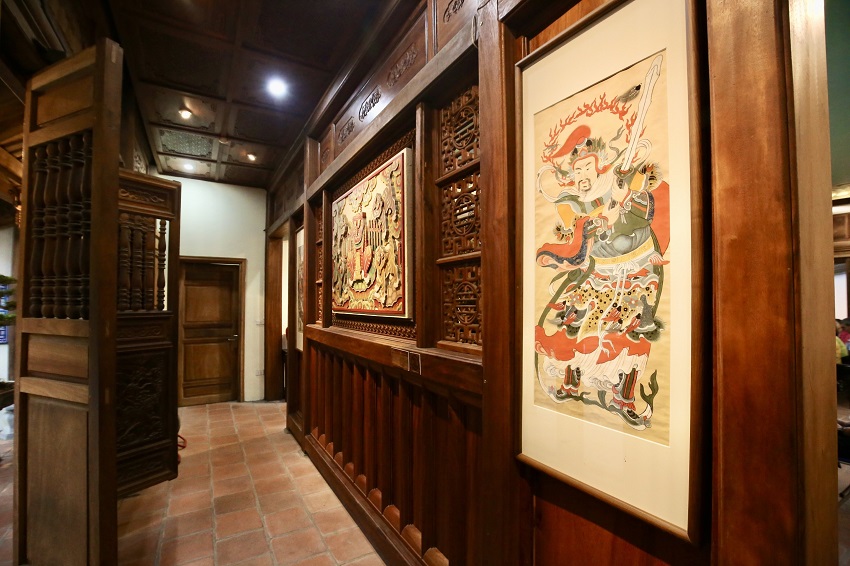
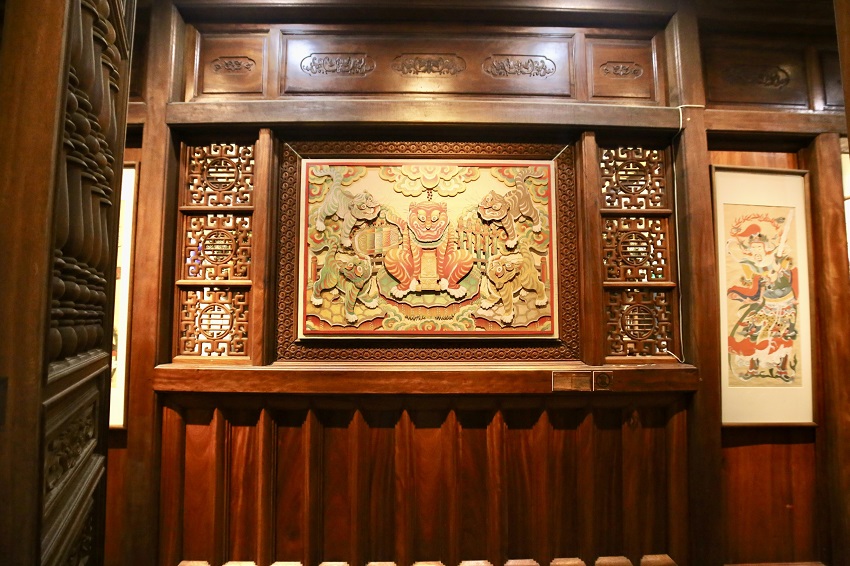
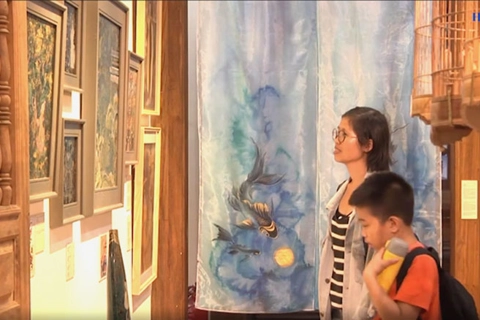
The antiques are on display on the first floor of the communal house |
|
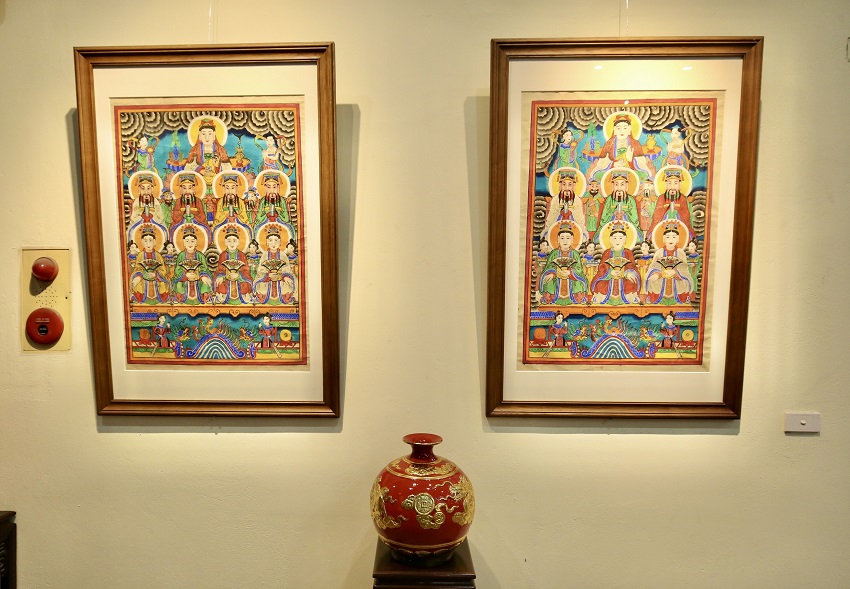
| Many Hang Trong folk paintings are also on display. |
|
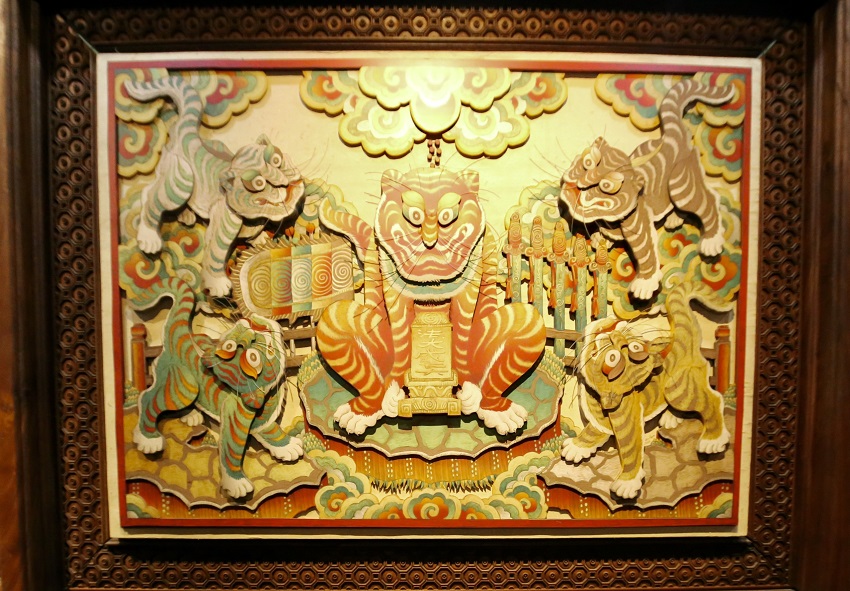
| The famous Hang Trong folk painting titled Ngu Ho or Five Holy Tigers is on display at the relic. |