ASEAN youth chart next phase of climate action in Hanoi
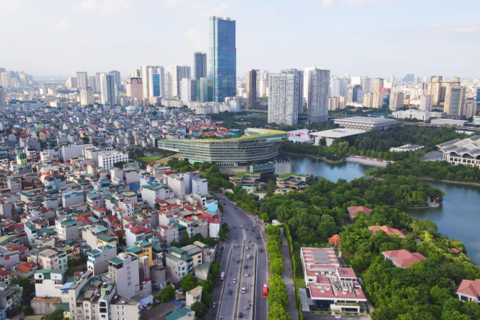
Home to more than 680 million people, many in vulnerable coastal and low-lying areas, ASEAN is on the front line of climate change, facing rising seas, fiercer storms, prolonged droughts and accelerating biodiversity loss that endanger the region’s economic resilience and social stability.
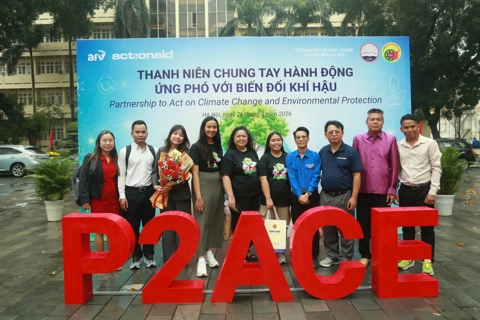
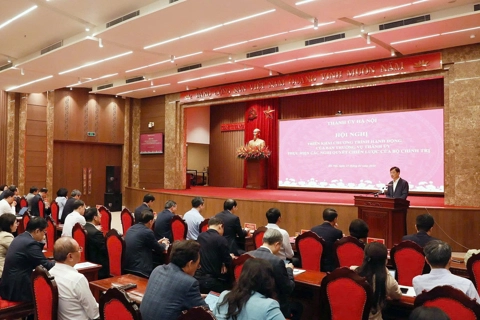
THE HANOI TIMES — More than 150 students and young leaders from Vietnam, Cambodia and the Philippines gathered at a seminar hosted by the Academy of Journalism and Communication on February 26 to review regional climate efforts and push for stronger youth-led solutions to growing environmental threats.
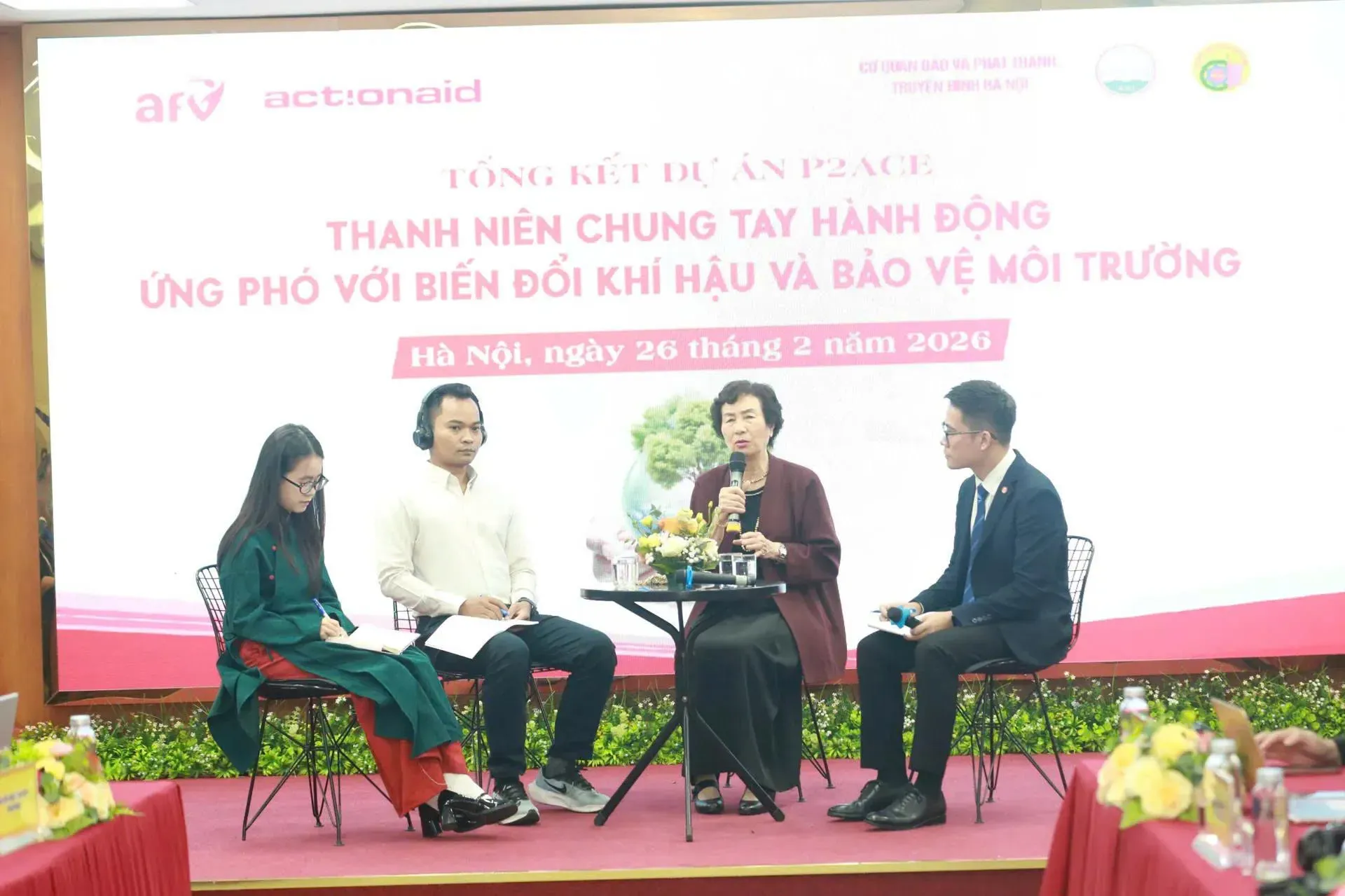
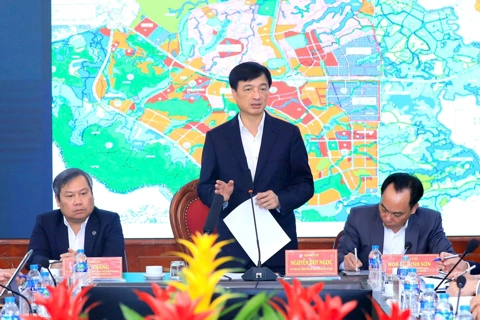
Bui Thi An, Director of the Institute of Natural Resources, Environment and Community Development (second from right) and other speakers at the seminar. Photo: Pham Hung/The Hanoi Times
Titled “Youth Joining Hands for Climate Action and Environmental Protection”, the seminar draws the participation from representatives of the natural resources and environment sector, the Journalists Association and the information and communications sector.
During the event, delegates will also assess progress under the P2ACE project (Partnership for Action on Climate Change and Environment) and set priorities for its next phase.
The organizers of the seminar include the Hanoi College of Industrial Economics, ActionAid International in Vietnam, Aid for Social Protection Program Foundation Vietnam (AFV), the Academy of Journalism and Communication and the Hanoi Media Group.
At the seminar, Bui Thi An, Director of the Institute of Natural Resources, Environment and Community Development and former National Assembly deputy, will join youth representatives from Vietnam, Cambodia and the Philippines to share practical lessons and propose effective approaches to climate adaptation and environmental protection.
Participants will discuss current challenges and outline solutions for young people to scale up community initiatives and environmental action. Their recommendations could guide state agencies, socio-political organizations and communities in expanding effective youth engagement in climate action in the coming years.
Climate adaptation and environmental protection remain central to sustainable development and guide socio-economic policymaking.
Vietnam has issued national climate adaptation plans to strengthen the resilience of natural, economic and social systems, secure livelihoods and improve preparedness for climate risks.
Yet Southeast Asia ranks among the world’s most climate-vulnerable regions. Home to more than 680 million people, many living in coastal and low-lying areas, the region faces rising sea levels that threaten megacities, intensifying storms and floods, prolonged droughts that undermine food security, and biodiversity loss in marine ecosystems.
The Asian Development Bank estimates the region could lose up to 11% of GDP by 2100 without decisive climate action.
Against this backdrop, the P2ACE project has been operated in Vietnam, Cambodia and the Philippines to deepen youth engagement in environmental protection, disaster risk reduction and climate mitigation.
Under its environmental education component, the project launched an online learning platform with three modules on sustainable development goals, climate change and digital transformation. It delivered 524 in-person and online sessions across 134 universities, high schools and secondary schools, with nearly 25,000 young people completing the courses.
Through its youth-led initiatives component, the project established 41 Youth for Sustainable Development (Y4SDGs) groups and supported 41 initiatives that benefited nearly 5,000 young people and ASEAN residents.
In communications and policy advocacy, the project organized three ASEAN exchange visits on climate adaptation, held two policy workshops in Vietnam and supported six young leaders, journalists and policymakers in participating in regional and international climate forums.