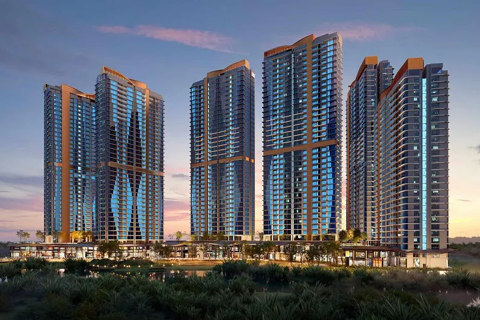
Architectural blend serves as essence of Hanoi’s soul
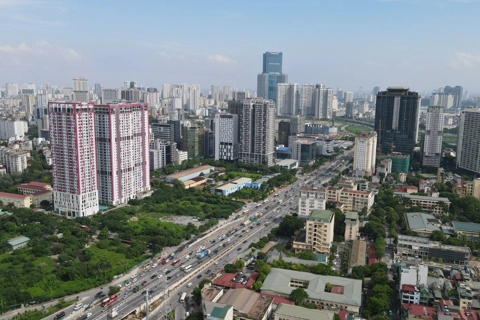
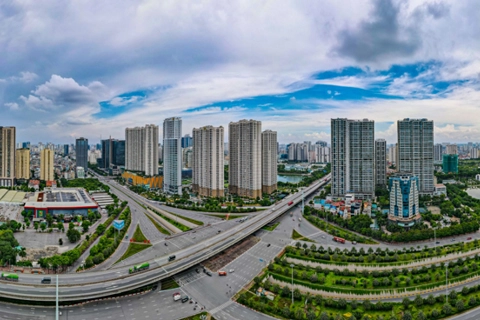
Along with the remarkable socio-economic development in recent decades, Hanoi's urban architecture is constantly evolving into a more civilized and modern one, changing day by day.
Even in the midst of a fast-paced market economy and the impact of urbanization, Hanoi continues to retain significant historical, cultural, and architectural values shaping the essence of its identity as a thousand-year-old capital. The blend of ancient and contemporary architectural heritage, each representing different styles, has created a unique and special urban space in Hanoi.
To gain a deeper understanding of the city's architectural identity and the challenges ahead in preserving the soul of Hanoi's urban area after the 15th anniversary of the capital's administrative boundary expansion, The Hanoi Times sat down with Pham Thanh Tung, office director of the Vietnam Association of Architects.
| Chief of Office of the Vietnam Association of Architects Pham Thanh Tung. |

Throughout history, Hanoi has been adorned with numerous architectural masterpieces that give the city a unique identity. Could you please explain the typical architectural style that characterizes Hanoi?
Hanoi's architecture is deeply intertwined with the city's more than 1,000-year history, shaped by a heroic and dramatic past that gave rise to the rich cultural heritage and refined lifestyle of the ancient Thang Long people.
This historical narrative has molded the soul and unique identity of the city's culture, setting it apart in a special way that no other city can replicate.
The tour of the city's architectural gems begins at the Imperial Citadel, a World Heritage Site, with thousands of relics and sacred sites such as temples and shrines.
The Old Quarter features charming low-slung tube houses with brown-tiled roofs and distinctive courtyards and gardens. As we cross into the Western Quarter, the French influence becomes evident with European-style urban planning, a grid plan dating from the late 19th to the mid-20th century.
This era left behind a variety of architectural styles, including neoclassical, French colonial, Indochinese, Art Deco, and neo-Gothic, followed by modern, postmodern, and contemporary green and sustainable architecture.
Hanoi has selectively absorbed and integrated various architectural influences, becoming a vast urban area with a highly valuable architectural heritage spanning ancient and modern times. This amalgamation epitomizes the typical and extraordinary architecture of Hanoi.
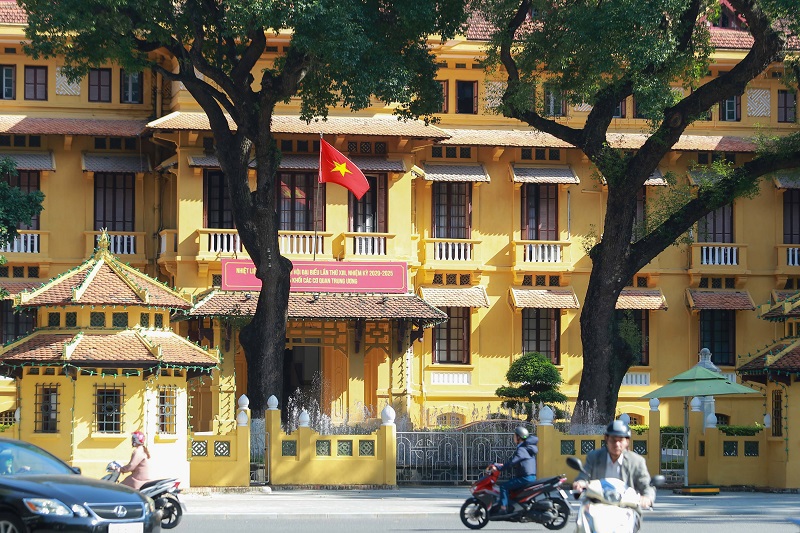
| The headquarters of the Ministry of Foreign Affairs has a distinctly Indochinese architectural style. Photo: Duy Khanh/The Hanoi Times |
How do you see the role of architecture in shaping the identity and character of Hanoi's old and new urban areas?
Hanoi's architecture has been intricately shaped by its topography, the landscape of the Red River, and the deep culture of Thang Long. This architectural influence has played a pivotal role in shaping the essence of Hanoi's urban center and defining the city's cultural identity.
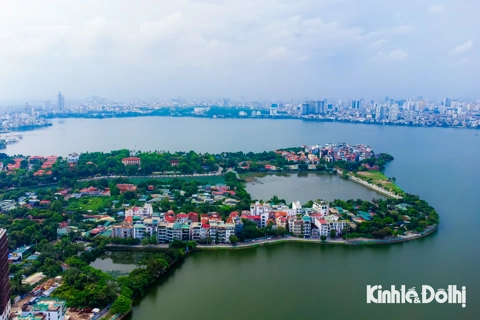
When speaking of Hanoi, iconic landmarks such as the Temple of Literature, the Hanoi Flag Tower, Sword Lake, Ngoc Son Temple, Huc Bridge, and the 36 Streets of the Old Quarter immediately come to mind. In addition, structures such as the Long Bien Bridge, the historic Presidential Palace, the Opera House, and various ministries and museums contribute to the city's rich architectural heritage.
These remarkable architectural legacies coexist with the thousands of new and modern buildings that have been constructed since 1954, together shaping Hanoi's urban identity.
The harmonious blend of ancient and modern elements makes Hanoi an enchanting city characterized by its charm and distinctiveness. The city's urban architecture reflects its journey towards civilization, modernity, and green and sustainable development, while proudly preserving the cultural heritage of Thang Long and the Red River. This fusion has given Hanoi a strong and dynamic physique in the 21st century, encapsulating the city's unique allure and historical significance.
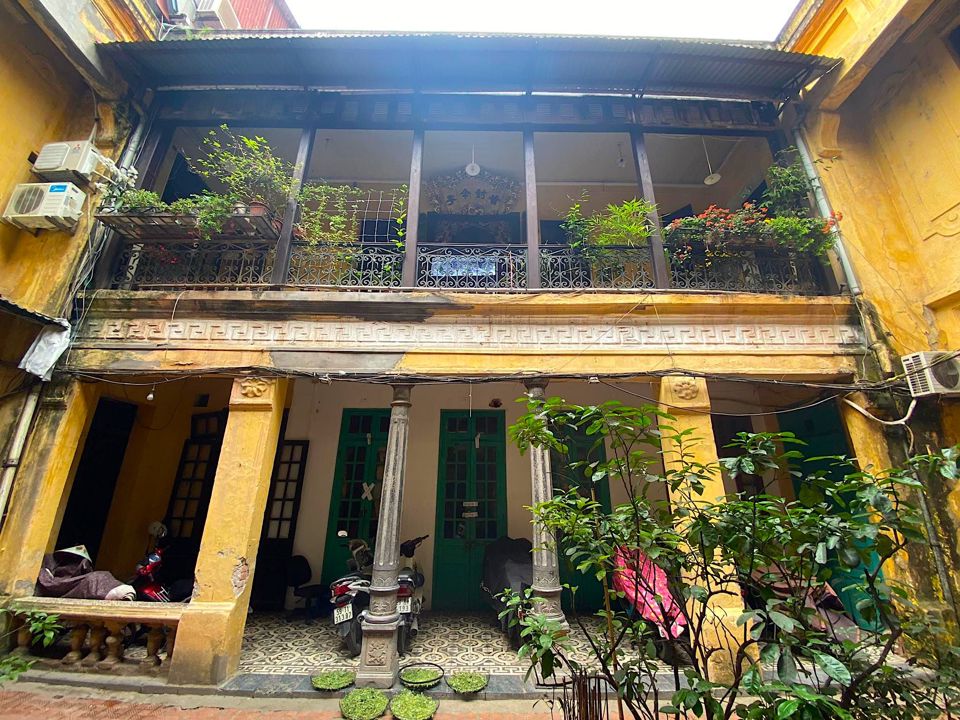
| An old villa at 44 Hang Be Street, Hanoi. Photo: Lai Tan/The Hanoi Times |
How is the capital's architecture responding to the challenges of modern urban development?
As in many countries around the world, cities in Vietnam, including Hanoi, face and must overcome various challenges in the process of urbanization and development, often navigating the delicate balance between preservation and progress.
As a mega-city among the world's 17 largest, Hanoi faces unique complexities due to its low economic starting point and transition from a centrally planned and subsidized economy to a socialist-oriented market economy over three decades.
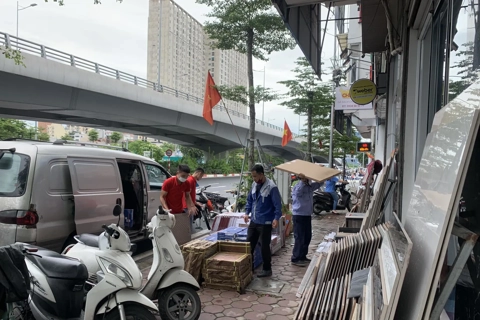
There are notable problems with planning management and implementation, including the proliferation of illegal and unauthorized construction and the building of ultra-thin and odd houses, resulting in chaotic urban landscapes.
In addition, the city's planning lacks a long-term vision, and the preservation and protection of the architectural heritage needs to be improved to showcase its total value. Rational use of resources and efficient management of land and clean water is lacking, and certain public spaces and green areas, such as parks, flower gardens, rivers and lakes, face encroachment and misuse. There are also challenges in approving or adapting planning and deficiencies in management capacity and public service delivery.
Rapid and uncontrolled population growth is particularly concerning, as evidenced by the increase from 6.5 million in 2008, when Hanoi expanded to 3,300 km2, to over 8.5 million in just 15 years.
Combined with the slow implementation of public transport projects, this has led to traffic congestion, pollution, and a decline in the quality of urban life. Addressing these shortcomings promptly is critical to overcoming major obstacles to the city's sustainable development.
To build a modern and civilized urban area in Hanoi while maintaining its distinctive identity, what measures should architects, management agencies, and city authorities at all levels take to preserve the architectural characteristics that contribute significantly to the soul of this ancient capital?
Every city has a historical trajectory that unfolds during its formation, development, and even its decline, whether due to war or natural disasters such as earthquakes, volcanoes, or tsunamis.
A crucial aspect of a city's history is its cultural and architectural heritage, which serves as the essence of its soul.
Therefore, it is imperative and urgent to preserve and promote the values of this architectural heritage so that it can actively contribute to the cultural industry, a task that was emphasized in the resolutions of the 13th Party Congress.
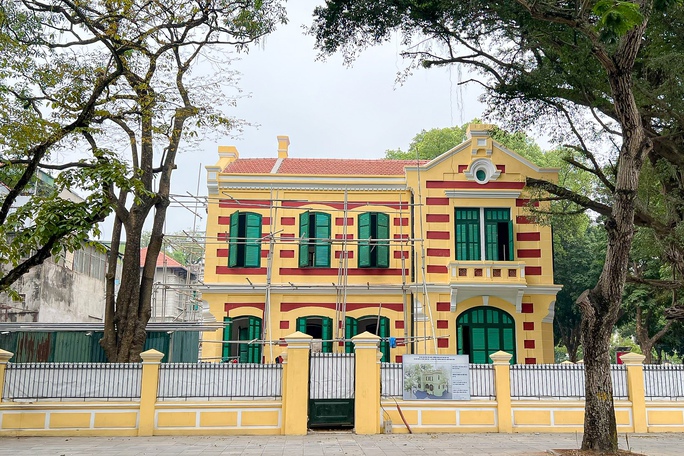
| The villa at 49 Tran Hung Dao Street under renovation. |
Over nearly 70 years since Hanoi's liberation on October 10, 1954, the city has gone through various stages of development, facing both joys and sorrows.
In the process, many architectural monuments have been lost or destroyed. However, the essence of Hanoi's soul remains intact and is deeply cherished. Amidst hundreds of thousands of architectural and cultural relics, Hanoi preserves the Thang Long Imperial Citadel, a symbol of the glorious golden age of a nation-building era and the bustling commercial activities along the 36 Old Streets. The Old Quarter still boasts garden villas, public works, and cultural and religious buildings with unique architecture on spacious, clean, and tree-lined streets.
However, the heritage, relics, and human lives need regular repair, maintenance, and care. Due to past economic constraints, limited thinking and management capacity, the city has regrettably lost several valuable works from the French colonial period in Hanoi's architectural heritage.
Today, as Hanoi and the whole country face new opportunities in the fourth industrial era, characterized by digitalization, digital technology, the Internet of Things, and artificial intelligence, it is crucial for Hanoi to incorporate new technology into the management of its unique architectural heritage, including French architecture.
Specific, reasonable and decisive guidelines and policies are essential for restoring villas and architectural works of historical and architectural significance to preserve and enhance their value to the community. Existing parks, gardens, rivers, and lakes must be renovated, beautified and enhanced.
The recent restoration of a villa at 49 Tran Hung Dao Street is a positive example that should be replicated if sufficient resources are available. In conclusion, for Hanoi to truly become a cultural city - civilized, modern, smart, and rich in cultural identity - it is imperative to raise awareness about the protection and preservation of heritage, landscape, and natural assets for the community and society. Architects and authorities at all levels must lead by example and be pioneers in this endeavor.
Thank you for your time!