Prime Minister urges measures to boost supplies and control house prices
Vietnam’s government is stepping up efforts to rebalance the real estate market as Prime Minister Pham Minh Chinh urges faster policy action to expand housing supply, address affordability pressures and ensure the sector supports both economic stability and social welfare.
THE HANOI TIMES — Prime Minister Pham Minh Chinh on January 26 instructed the Ministry of Construction to step up efforts to expand housing supply nationwide and ensure a better balance between commercial and social housing development.
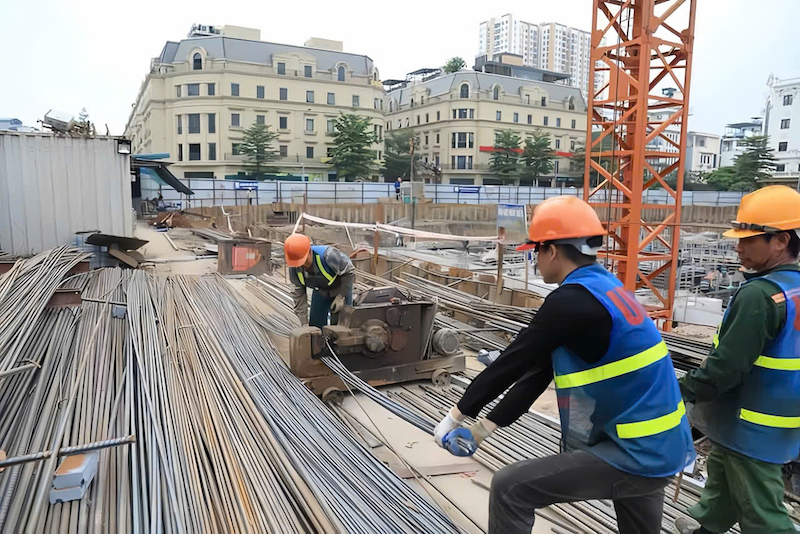
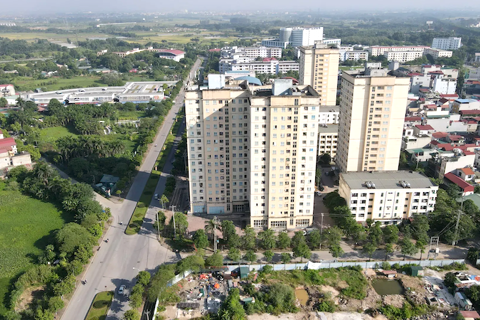
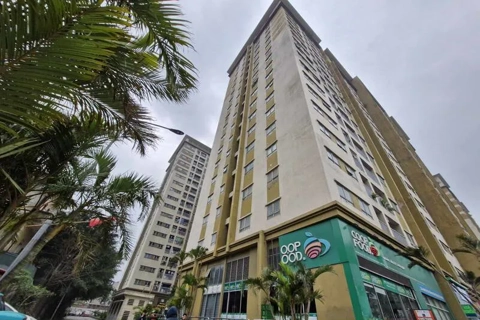
Hanoi completes more than 5,100 social housing units in 2025. Photo: UDIC Land
Speaking at a meeting of the government’s Steering Committee on macroeconomic management, the prime minister said authorities must take more proactive steps to manage the real estate market, improve affordability and stabilize prices.
“The guiding spirit is to increase supply, cut administrative procedures and costs and build transparent public transaction centers so the market can operate in a healthy and safe manner,” he said.
According to the Ministry of Construction, Vietnam in 2025 had nearly 3,300 housing projects nationwide, totaling about 5.9 million units with combined investment capital exceeding VND7.4 quadrillion (US$283 billion).
Commercial housing and urban area projects made up the bulk of supply, accounting for more than 5.2 million units.
Social housing projects increased 13% year on year to nearly 700, providing more than 657,000 homes. In 2025, Vietnam completed over 102,600 social housing units, slightly exceeding its annual target.
Hanoi was among 19 provinces and centrally-governed cities that completed their full-year social housing development plan. The capital finished some 5,100 homes last year.
Data from the Vietnam Association of Realtors’ Institute of Real Estate Research and Evaluation show apartment prices in Hanoi, Danang and Ho Chi Minh City rose 57% to 96% compared with 2019 levels.
Other segments, including land plots, villas, townhouses and individual houses, also saw sharp gains, with prices rising by up to 30% within a year.
Although prices leveled off in some markets during the final quarter of 2025, they have yet to decline significantly. Market prices remained high due to structural supply imbalances and rising development costs.
The supply-demand gap has persisted for years and widened as most new projects target luxury and high-end segments. Meanwhile, affordable housing projects remain scarce, leaving the market without a strong base of end-user demand.
The Ministry of Construction said it will continue to clear stalled projects and expand housing supply, especially affordable homes, to restore the real estate sector’s role as a key economic pillar and a core element of social welfare.
Additional measures include low-interest credit packages, expanding rental housing networks and accelerating social housing projects in suburban urban areas and around industrial zones.