Tet renovation rush strains Hanoi crews, lifts finishing material costs prices
Hanoi’s home renovation market has entered its busiest stretch of the year, as year-end demand tightens contractor availability and raises the cost of finishing materials.
THE HANOI TIMES — As the Tet (Lunar New Year) approaches, demand for home repainting and upgrades has surged, fully booking construction crews and pushing up prices for finishing materials such as paint, waterproofing products, sanitary equipment and tiles, leaving many households under pressure.
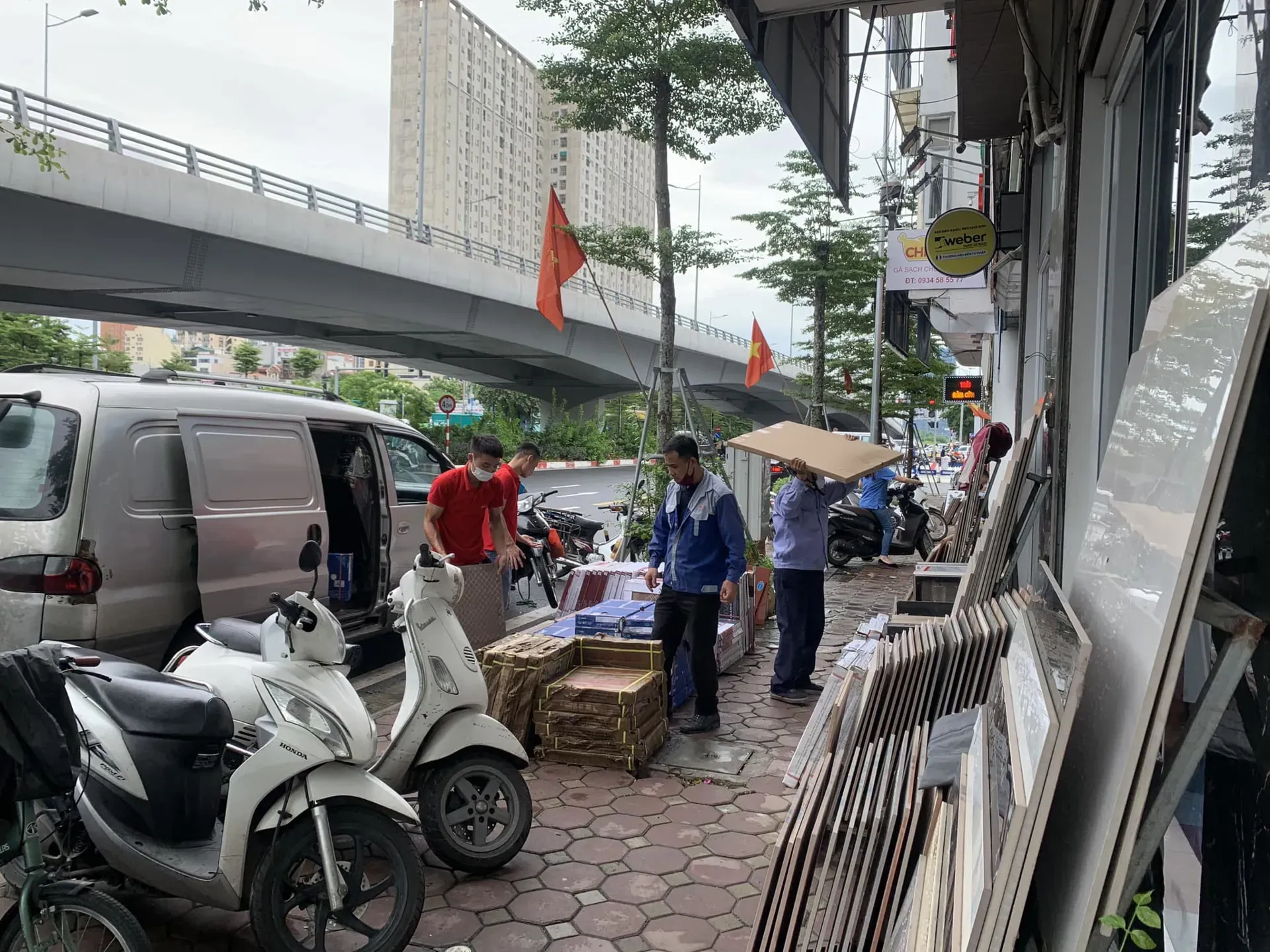
A tile store in Cau Giay Ward, Hanoi. Photos: The Hanoi Times
Since early January 2026, Hanoi’s renovation market has entered peak season. Demand has shifted away from major rebuilds toward small and mid-sized jobs, including repainting, waterproofing, ceiling replacement, floor retiling, kitchen and bathroom upgrades and fixture replacement.
Dong Thu Ha of Ha Dong Ward said her family decided to renovate a deteriorating bathroom after nearly 12 years of use, replacing tiles and sanitary equipment at a cost of VND40-60 million (US$1,540-$2,310).
Dinh Ngoc Tuan of Ngoc Ha Ward said years of use left his kitchen walls stained and cabinets warped. He plans an upgrade costing VND30-40 million ($1,150-$1,540) to improve durability and ease of cleaning.
These modest projects, compressed into the pre-Tet period, have created a demand surge that has overwhelmed contractors. Many families seeking quick renovations face the same response: no available crews.
Pham Quang Duc from Cau Giay Ward said every contractor he contacted has been fully booked. Some offered to “squeeze in” his project at higher cost, leaving him unsure whether to proceed or wait until after Tet.
The shortage affects even simple tasks. Jobs that once required two or three days’ notice now involve waiting two to three weeks or longer as Tet nears.
Nguyen Phuong of Hoang Mai Ward said she planned to repaint her apartment to address mold and discoloration but worried rushed work would compromise quality and pose health risks for her children.
From the contractor side, Nguyen Dang Huy, a renovation contractor in Cau Giay Ward, said companies now prioritize quick-turn projects and avoid heavy demolition due to time and cost risks.
“Clients want speed without losing quality, but manpower is limited,” Huy said. “Some accept phased work, finishing essential areas first and leaving the rest for after Tet.”
He said time pressure often leads to quality risks, including insufficient drying time for paint and waterproofing or rushed tiling that can cause later damage.
As a result, many families opt for partial upgrades rather than full renovations, reducing risk amid labor shortages and rising costs.
Caught between schedules and costs
While labor shortages strain timelines, material price fluctuations add financial pressure. Prices have not spiked sharply but have risen in waves as promotions end and supply tightens.
Ly Thuc Anh, Director of Song Anh Vietnam Trading Company, said tiles, sanitary equipment and wall and kitchen panels posted the strongest growth.
Anti-slip bathroom tiles priced VND280,000-450,000 ($10.8-17.3) per square meter have sold best, with domestic brands competing strongly with imports.

Demand for home repairing and renovation has driven prices of home interior items, especially for bathroom and kitchen.
Sanitary equipment sales rose about 20%, driven by demand for water-saving and stain-resistant products. Mid-range items dominated purchases.
In kitchens, oil-resistant wall panels and artificial quartz countertops gained popularity for quick installation and durability, alongside growing demand for smart storage fittings.
Shopping habits have shifted online. Dang Thanh Tuan, owner of Tung Dang building materials warehouse, said customers increasingly browse online, compare prices and buy bundled kitchen and bathroom packages priced VND20-50 million ($770-1,920).
“Many customers arrive already decided,” Tuan said, adding sales have risen more than 30% thanks to stable domestic prices and wider choices.
Retailers said year-end buying often triggers quick decisions, as seasonal promotions end and listed prices return, creating the perception of sudden increases.
Pham Ngoc Trung, a building materials expert, said renovation remains a stable revenue driver, less tied to property cycles.
Domestic firms benefit from competitive pricing and designs tailored to Vietnamese tastes, he added.
“Hanoi’s market is supported by rising incomes, urbanization and stronger domestic products,” Trung said.
From the construction side, Dao Duc Thanh of Hoa Thanh Building said rushed schedules, overtime work and limited material availability drive higher costs more than price changes alone.
“Fast completion always costs more near Tet,” Thanh said, noting crews often work nights and accept substitute materials to meet deadlines.
Despite pressures, competition remains strong. Domestic brands continue improving designs, offering broader choices in tiles, roofing and paint colors, alongside delivery incentives and bundled services.
Still, experts warn that Tet is when buyers risk prioritizing speed over suitability.
Trung urged homeowners to choose climate-appropriate materials, reliable contractors and avoid rushed decisions.
Builders advise homeowners to clarify goals: quick cosmetic upgrades before Tet or comprehensive renovations for long-term use.
Larger projects, they say, often work better after Tet, when time allows proper planning and quality control.