Surging housing prices trigger urgent calls for stronger market and policy reforms
Vietnam faces steep housing price increases due to shrinking supply, rising speculation and slow legal reforms, prompting a call for urgent policy action and expanded affordable housing.
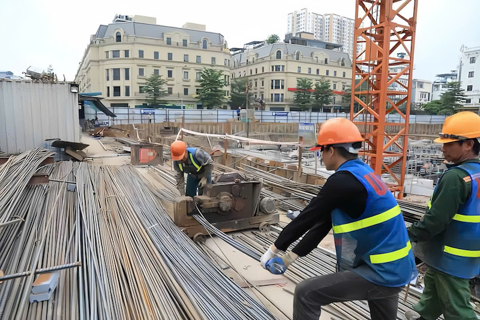
THE HANOI TIMES — Real estate prices in major cities have been very high and increased sharply in several segments during the past few years despite weak liquidity and stagnant income growth.
The issue comes from the fact that many projects have stalled due to legal barriers and lengthy procedures slow progress, which limits the number of completed units.
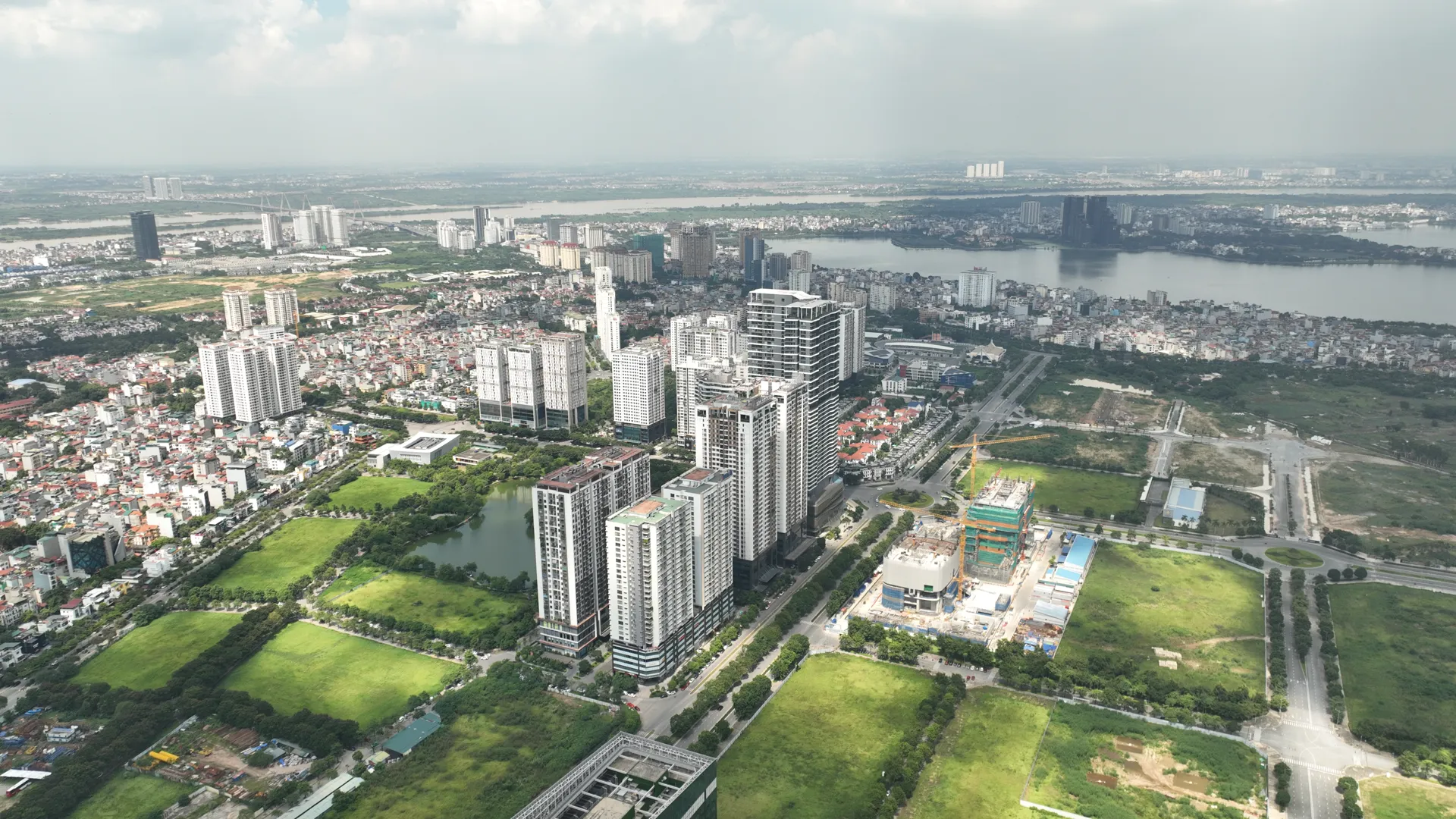
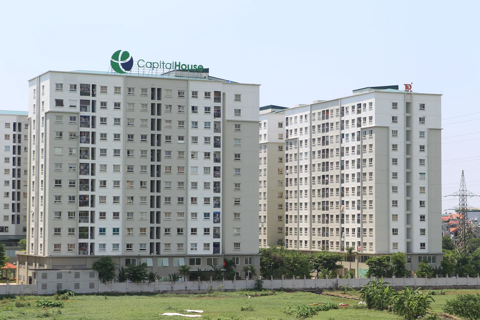
Apartment buildings in Hanoi. Photos: Kinh te & Do thi Newspaper
Therefore, developers have reduced supplies, especially in mid-range and affordable housing and scarcity pushed prices higher.
Market reports confirm that new project supply in Hanoi and Ho Chi Minh City dropped 60%–70% over the past three years, while housing prices in Vietnam have increased by 59% over the past five years.
In Hanoi, the primary price of new apartments climbed from roughly VND40 million ($1,510) per square meter in early 2022 to about VND72 million ($2,730) per square meter.
The Ministry of Construction reported that new apartment prices in Hanoi reached VND70–80 million ($2,650–3,030) per square meter on average from January to September, up 5.6% from the beginning of the year and almost 33% year-on-year.
Market data shows that primary prices by the end of Q3 2025 exceeded VND90 million ($3,400) per square meter, up 16% from the previous quarter and 41% year-on-year.
Street-front houses in many districts now average more than VND400 million ($15,170) per square meter. In several central areas, prices reach VND560 million ($21,240) per square meter.
Old apartment units now average VND50 million ($1,900) per square meter, up 15% year-on-year. In central wards such as Hoan Kiem and Dong Da, prices range from VND80–150 million ($3,030–5,700) per square meter, often higher than new suburban apartments.
Annual per-capita income rises only 6%–7%, which cannot keep pace with these price increases. Young families and middle-income households face growing difficulty accessing homeownership.
Though supplies have improved in 2025, but most new units fall into mid- and high-end segments. The market structure continues to favor higher-end homes, and strong demand from buyers and investors keeps prices rising.
Nguyen Quoc Anh, Deputy CEO of Batdongsan.com.vn, said developers have removed products aimed at middle- and low-income buyers, while projects increasingly focus on high-paying customers.
He warned that the market faces rising risks of a price bubble, social stress and unequal access to housing unless authorities introduce strong corrective measures.
Nguyen Van Dinh, Vice Chairman of the Vietnam Real Estate Association, said rising prices in central Hanoi distort supply and demand, making real buyers unable to enter the market, while speculative capital grows.
He warned that this trend may create localized liquidity freezes and a housing bubble, pushing homeownership far out of reach and creating bad-debt risks for banks.
Need for policy coordination and stronger mechanisms
Legal expert Nguyen Van Dinh said prices in central areas keep rising because supply fails to match real demand. Buyers who want affordable homes in convenient locations must turn to old apartments or wait for new supply, which puts more pressure on prices.
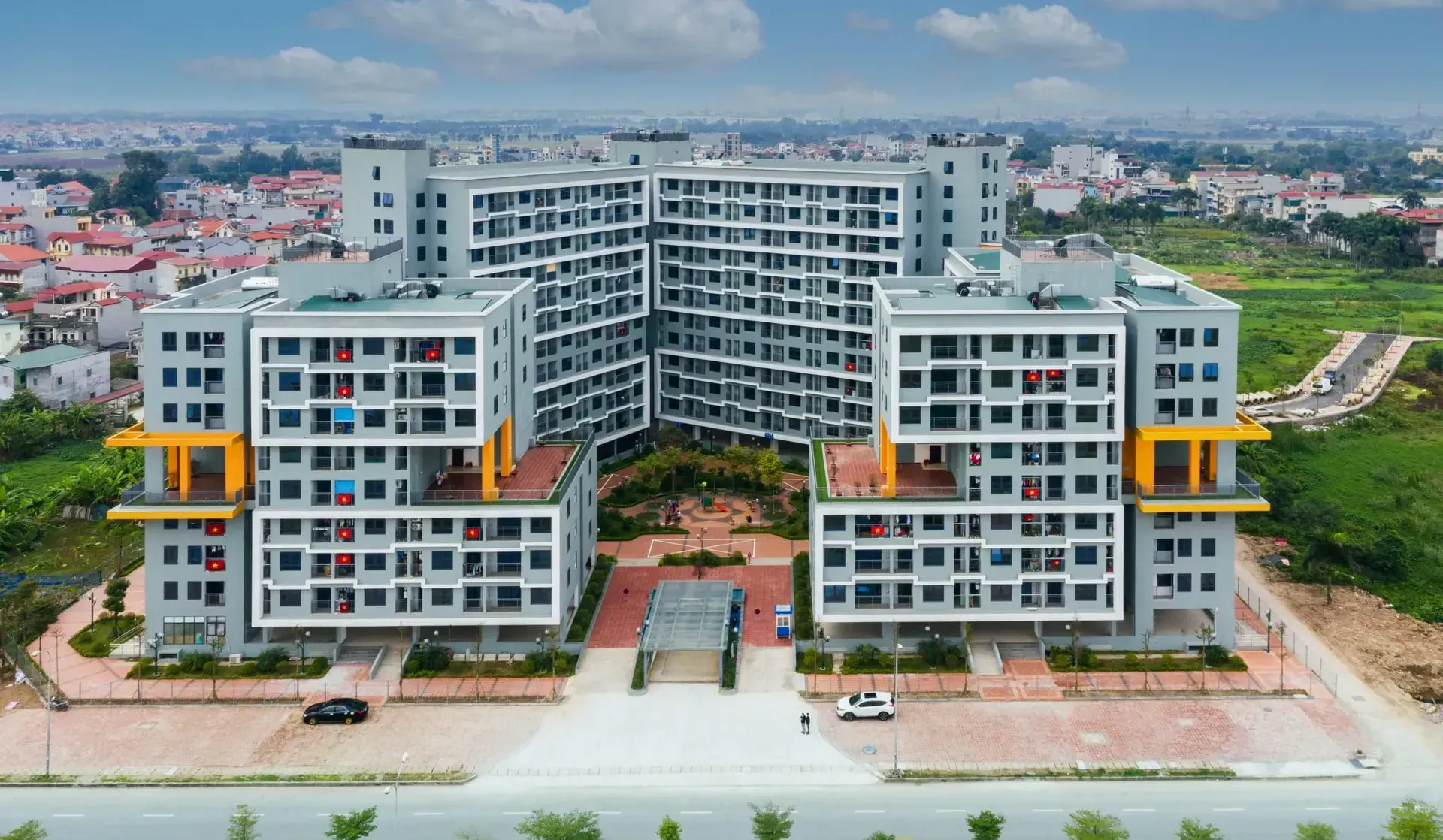
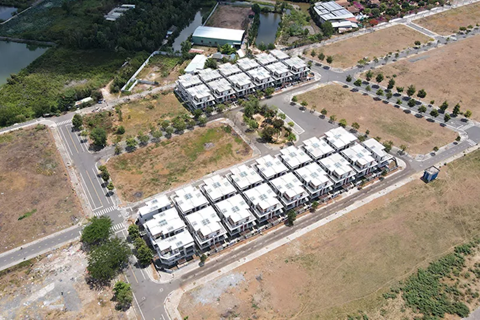
A social housing project in Hanoi.
Dinh also blamed the increase in housing prices on speculation, rising land, labor and material costs. Slow regulations, tight credit policy and low market transparency add to the problem.
He said high prices reduce affordability, increase financial system risks and distort urban planning.
“Developers may change apartment sizes or layouts to maximize profit, which reduces essential public services and green space,” Dinh said.
Many experts have said Vietnam must expand access to affordable homes and social housing to stabilize the market.
According to urban specialist Nguyen Minh Hoa, he said it's needed a stronger coordination among local departments to prevent administrative bottlenecks.
He said clear legal pathways bring more projects to market, increase competition and help cool prices.
Nguyen The Diep, Vice Chairman of the Hanoi Real Estate Club, urged authorities to give stronger incentives to developers building social housing through land-fee reductions, preferential credit and faster approvals.
He emphasized transparent project-cost reviews to prevent unnecessary price increases. Many countries intervene actively in affordable housing, and Vietnam can adopt similar models with adjustments, he added.
"Vietnam should direct credit to social housing and reasonably priced commercial housing and restrict loans for speculation," said Diep.
He recommended imposing taxes on quick-flip transactions or applying higher risk weights to short-term investment loans, while also proposing a transparent pricing system, a national real estate database and integrated transaction data across land, construction and tax agencies.
He also encouraged the development of a rental-housing market to ease pressure on buyers.
Economist Dinh The Hien said Vietnam needs coordinated action, such as stronger legal frameworks, more supply, improved credit policy, better land auctions and full market transparency.
"A balanced market will reflect true values, raise affordability and support sustainable urban growth," said Hien.
Hien recommended strict oversight of speculation, stronger action against fake listings and misleading pricing and tighter control over high-risk lending.
In the medium term, Vietnam must increase affordable housing in central and near-central areas, prioritize clean land for social housing and redevelop old apartment blocks through public-private partnerships.
The economist recommended lower land-use fees, infrastructure support and reduced VAT for lower-priced units. Transit-oriented development can reduce travel time and lower living costs.
In the long term, Vietnam needs full transparency, connected transaction databases at national and provincial levels and revised tax policies for speculative holdings.
"Better public transport, education and healthcare systems will distribute demand more evenly," Hien added.
The real estate expert also recommended special home-loan packages for young buyers and civil servants to support real demand.