Hanoi apartment market heads for major supply surge beginning in 2026
Hanoi’s apartment market is entering a new growth phase with a strong supply wave expected from 2026 as major projects launch across all segments from social housing to high-end developments.
THE HANOI TIMES — Hanoi’s apartment market is poised for a significant supply surge starting in 2026, driven by a new wave of projects across all segments, from social housing to high-end developments.
Analysts say the capital remains Vietnam’s most active condominium market, though rising prices and abundant supply may challenge absorption in the medium term.
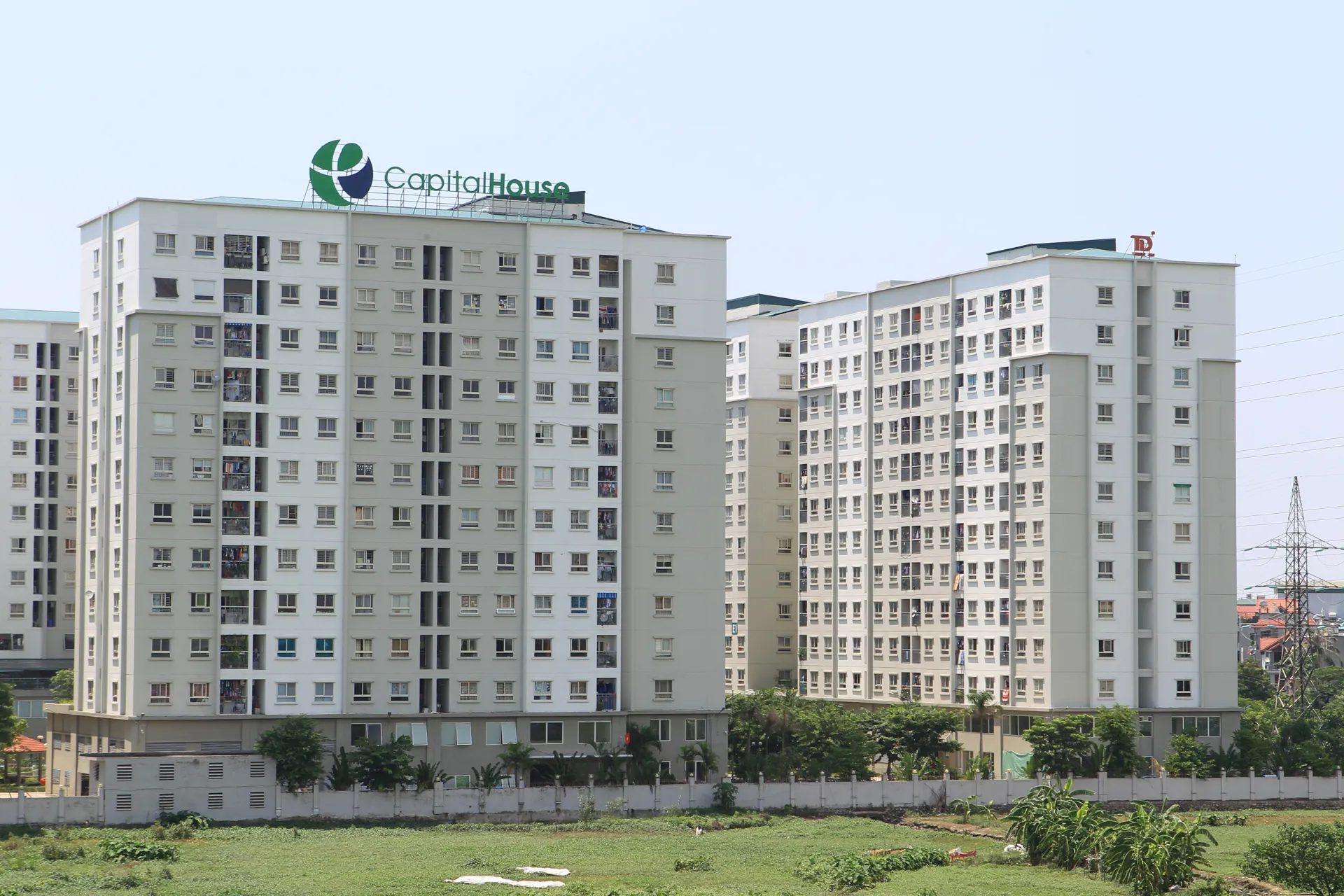
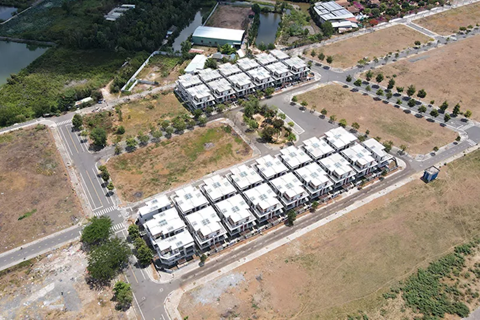
Ecohome Dong Ngac social housing project, Hanoi. Photo: Kinh te & Do thi Newspaper
Market data from Biggee shows Hanoi currently leads the country with about 70,000 apartments under construction.
Primary prices range from VND76–90 million (US$2,880-$3,400) per square meter, while secondary-market units trade around VND60–70 million ($2,270-$2,650).
The city has delivered roughly 390,000 apartments to date, the highest total nationwide, reflecting long-term momentum.
Biggee warned that high price levels combined with plentiful supply could create absorption risks, but noted a key bright spot: about 9,000 social housing units are underway, which could help stabilize the market if delivered on time and at expected quality.
The firm said Hanoi’s supply advantage stems from the concentration of projects in dense urban-core areas where land prices are high.
Although development momentum is shifting eastward, most new projects remain within practical distance of the city center, reflecting a controlled expansion strategy.
Savills forecasts that Hanoi will see 8,900 new units launched in the fourth quarter of 2025, mostly mid-range Class B products.
The real supply boom, however, will begin in 2026 as more fully approved projects enter the market.
According to Do Thi Thu Hang, Senior Director of Research and Consulting at Savills Hanoi, projects developed by reputable investors with strong legal documentation and good locations will continue to lead demand.
Smaller units with one or two bedrooms remain the most easily absorbed products.
The Savills executive expected the shortage in Class C units to ease as Hanoi accelerates approvals, upgrades infrastructure and expands social housing programs.
Hang said several projects have finished legal procedures and are preparing to launch.
The city’s increased focus on social housing and worker housing will help improve affordability and expand access to residential units.
Hang said consistent implementation of these policies could reduce the long-standing shortage of affordable supply.
Savills reported strong performance in 2025. In Q3 alone, Hanoi recorded 6,300 newly launched apartments, a slight quarterly decline but an annual increase.
Transaction volume rose to 7,300 units. New-supply absorption exceeded 80%, far above the overall market average.
Buyers favored new projects offering convenient locations, reputable developers, clear legal status, modern designs and flexible payment plans.
High-end Class A projects also showed strong liquidity, with many pushing primary prices above VND100 million ($3,800) per square meter.
Class A and B units continued to perform well in the third quarter, with an overall absorption rate of 81%. Including inventory, the market-wide absorption rate reached 64%, indicating a clear recovery trend.
David Jackson, CEO of Avison Young Vietnam, said the apartment segment will remain the backbone of the market in 2025–2026, though performance will vary by location and product type.
End-user demand continues to dominate, while investors are becoming more selective, he said.
According to him, projects with central locations, strong infrastructure, clear legal status and reputable developers maintain stable liquidity while projects far from the center, lacking amenities and priced beyond most buyers’ budgets will struggle to attract interest.
Analysts expect that the supply boom from 2026, combined with stronger social housing and improved infrastructure, will help guide Hanoi’s apartment market into a more balanced and healthier cycle.
End-user demand will continue driving the market, while rising competition may gradually bring prices closer to levels that suit a wider range of buyers.