Vietnam beverage industry struggles to find way out of unprecedented crisis
With Sabeco, Habeco, Carlsberg Vietnam and Heineken Vietnam holding 90% of Vietnam’s alcohol beverage market, negative business results from these firms could lead to a setback of the overall industry in the coming time.
The dual impacts of the Covid-19 pandemic and current government policies, especially Decree No.100 providing heftier fines on driving under the influence of alcohol, are putting the local beverage industry into an unprecedented crisis.
Overview of the conference. Photo: Hoang Quyet. |
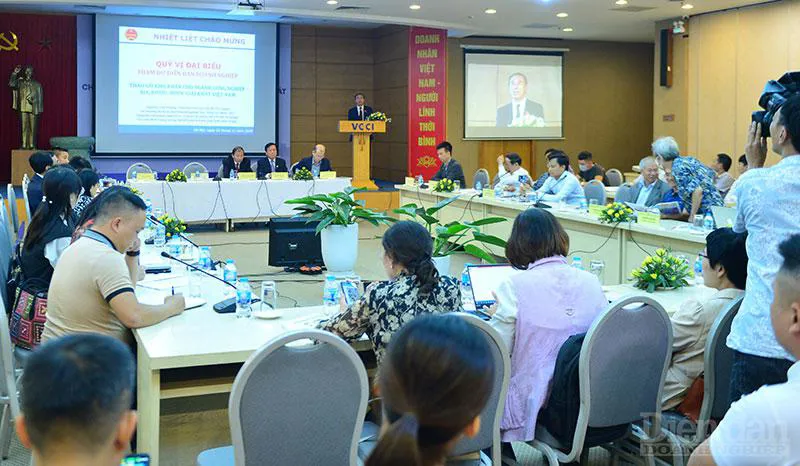
Vice Chairman of the Vietnam Chamber of Commerce and Industry (VCCI) Hoang Quang Phong at a conference on November 20 said over the years, the food and beverage industry has always been a major component of the economy.
In 2019, the Ministry of Industry and Trade (MoIT) estimated Vietnam’s annual consumption of food and drink products accounts for about 15% of GDP, and this rate is set to rise in the future.
Additionally, with an annual growth rate of 6%, Vietnam’s beverage industry is among the fastest-growing consumer sectors in the country. However, the sector is also subject to tight control from the government, including progressive excise tax over the years.
In 2020, the issuance of Decree No.100 and the Covid-19 pandemic have led to plunges in revenue of up to 40 – 50% year-on-year for many firms in the sector, according to the Vietnam Beer Alcohol Beverage Association (VBA).
Vietnam’s largest brewer Sabeco recorded sharp declines of 44% and 20% year-on-year in profit in the first two quarters this year. Sabeco’s business performance started improving in the third quarter with a profit of VND1.47 trillion (US$63.34 million), a slight increase from VND1.46 trillion (US$62.9 million) recorded in the same period last year.
The situation Hanoi Beer Alcohol and Beverage (Habeco), the second largest local brewer, was even worse as the firm recorded losses in the first two quarters.
Viet Capital Securities Company in a report said 90% of Vietnam’s alcohol beverage market share is in the hands of four major beverage firms namely Sabeco, Habeco, Carlsberg Vietnam and Heineken Vietnam. Negative business results from these firms could lead to a setback of the overall industry in the coming time.
In 2019, the industry paid a combined tax amount of VND60 trillion (US$2.58 billion), of which these four above made up 80% of the total at VND49.59 trillion (US$2.13 billion). In the first 10 months of this year, the so-called “big four” paid around VND39.11 trillion (US$1.68 billion) in taxes.
Way out of crisis
VBA’s Chairman Nguyen Van Viet. Photo: Hoang Quyet. |
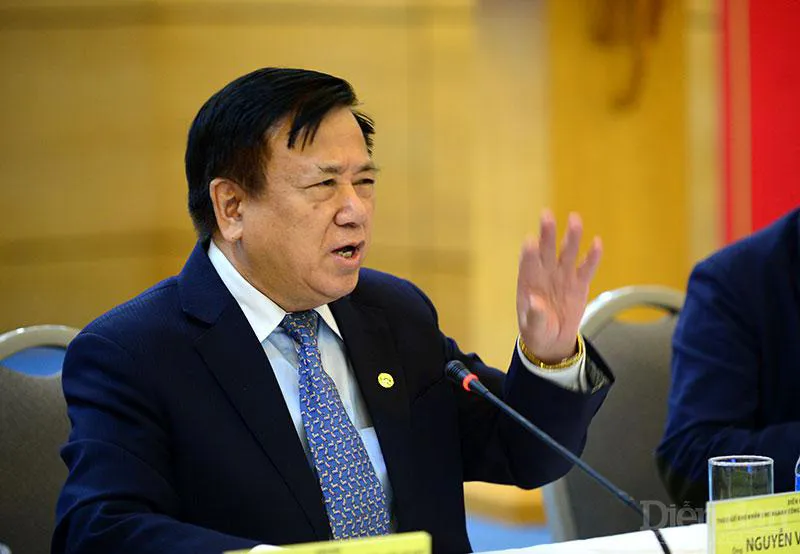
VBA Chairman Nguyen Van Viet said during the Covid-19 crisis, around 98% of local enterprises are entitled to government support, but the alcohol beverage industry still belongs to the unaided remaining 2%, adding the government should include all enterprises in its support programs.
Director of the Department of Tax Administration at Large Enterprises under the General Department of Taxation Nguyen Van Phung said the government does not consider adjusting the tax rate for the sector at the moment, but implied things could change in the near future.
Vice Chairman of Vietnam Report Co. Phung Hoang Co said there is no doubt that the Covid-19 pandemic and Decree No.100 are severely affecting the alcoholic beverage market.
Mr. Co, nevertheless, pointed to a new opportunity such as non-alcoholic beer of Heineken Vietnam, which could be a point of reference for other firms.
Therefore, Mr. Co said enterprises should look at alternative products and take on the digital transformation process for another approach to customers.