Vietnam-Denmark Green Strategic Partnership: Materializing efforts for green transition
The declaration of Green Strategic Partnership is a practical way to promote the bilateral partnership in energy efficiency since 2013.
Vietnam and Denmark have declared a Green Strategic Partnership to complement the strategic partnership in climate change, environment, energy, and green growth set up in November 2011.
| Vietnam’s Prime Minister Pham Minh Chinh and the Joint Statement on Vietnam-Denmark Green Strategic Partnership at a virtual meeting with Denmark's Prime Minister Mette Frederiksen on November 1. Photo: VGP |
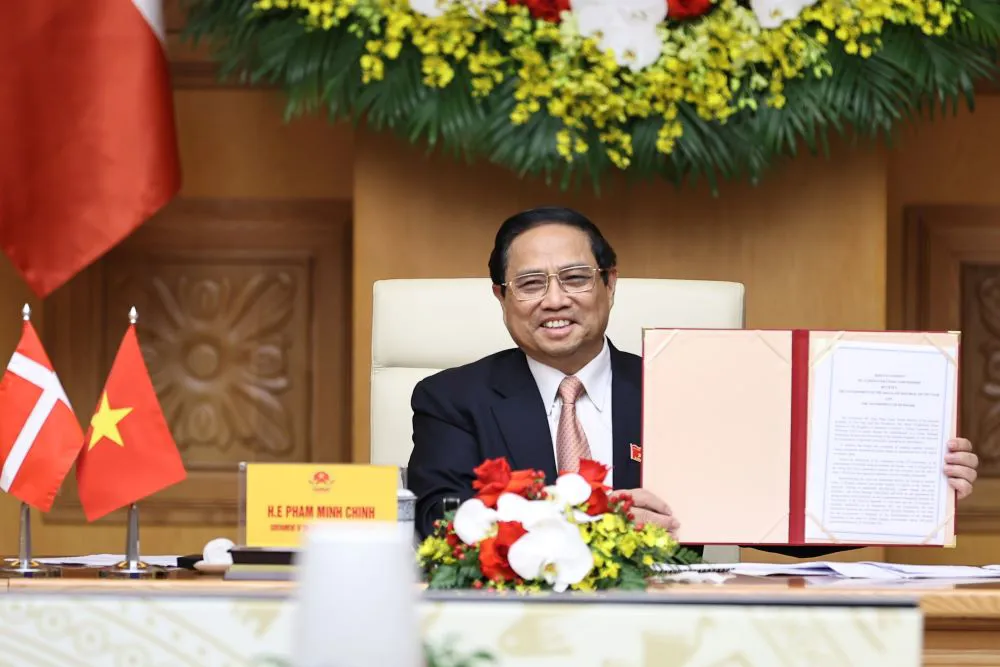
The declaration was made on November 1 at a virtual ceremony co-chaired by Vietnam’s Prime Minister Pham Minh Chinh and Denmark’s Prime Minister Mette Frederiksen.
“The Green Strategic Partnership will support the materialization of the Parties’ endeavors to promote a green transition, further global ambition on climate, environment, and nature, as well as a socially just green transition that creates green jobs and avoids increasing inequality,” read the joint statement.
The partnership is a win-win arrangement to advance political cooperation, strengthen economic relations relevant to green growth, and create jobs while together addressing global challenges facing green transition, with a focus on an ambitious implementation of the Paris Agreement and the UN Sustainable Development Goals.
In this regard, the two countries will focus on green dialogue, cooperation in energy, trade and business collaboration; urban development and liveable cities; agriculture and aquaculture; health and life science; national statistics supporting sustainable development; promoting green ambition across sectors; and multilateral cooperation.
Specifically, the parties stressed the significance of the green agenda and decided to encourage participation from various stakeholders to work together to implement it in Denmark and Vietnam. They agree to intensify high-level policy dialogue on short-, medium-, and long-term climate objectives, including the government-to-government dialogue on maritime issues.
The parties welcome Vietnam’s political determination to tackle the climate crisis reflected in the commitment to carbon net zero emission in 2050, along with the country’s participation in coalitions to reduce greenhouse gas emissions and develop a circular economy.
The countries acknowledge the importance of energy security and affordable energy costs for the society and citizens of Vietnam. Accordingly, Vietnam will take important steps to decrease carbon in the energy sector and to increase the share of renewables with the approved Energy Master Plan, the Power Development Plan VIII (PDP8), and the Just Energy Transition Partnership (JETP) with International Partners Group (IPG).
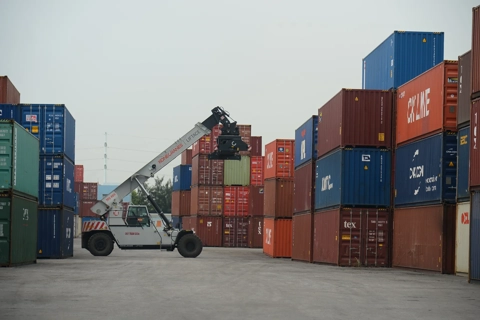
They stressed the need for improved conditions for foreign direct investment in Vietnam. They viewed the EU - Vietnam Free Trade Agreement (EVFTA) as an important landmark in trade relations between Vietnam and EU member states, including Denmark.
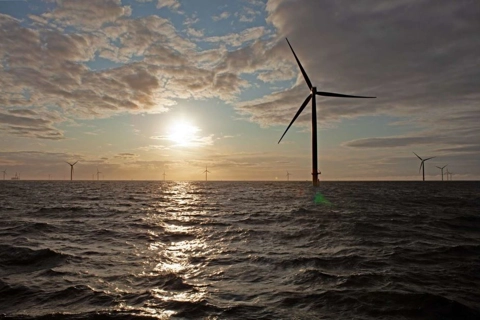
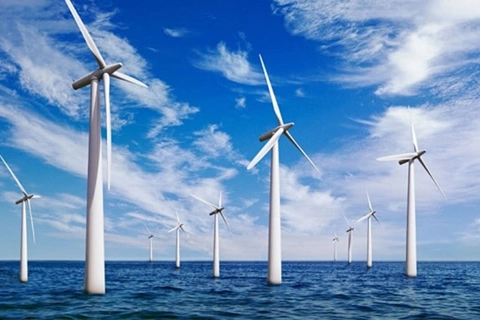
Vietnam and Denmark have cooperated on strengthening Vietnam’s transition to a low carbon economy since 2013 with concrete goals, namely decarbonization scenarios, offshore wind development, expansion of renewables, and energy efficiency to help Vietnam gradually reduce reliance on fossil fuels.
The Parties agree to continue the collaboration in developing and publishing the Vietnam Energy Outlook Report, which can serve as an essential technical basis for policy design to underpin the targets of Vietnam to reach net zero in 2050 and phase down coal.
They seek to strengthen Vietnamese companies’ capacity and deepen their involvement in sustainable value chains. At the same time, the countries enhance economic, trade, and investment in onshore and offshore wind energy, energy efficiency solutions, agriculture, water, wastewater treatment, maritime solutions, and other sectors to support Vietnam’s green transition in multiple sectors.
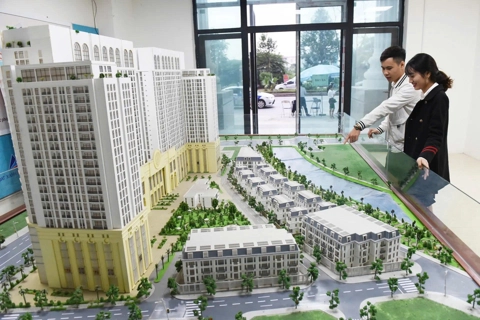
Regarding urban development and liveable cities, the two sides wish to exchange expertise through seminars, exhibitions of good practices and projects, and study tours to enhance capacity building.
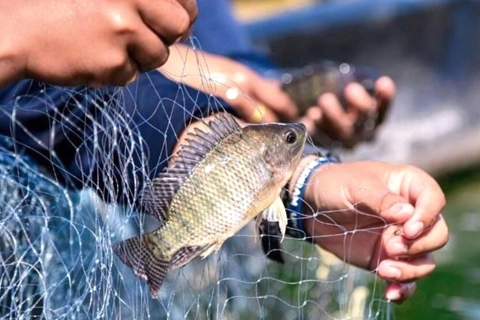
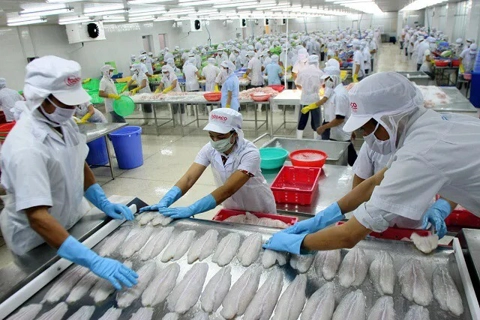
To pursue sustainable agriculture and aquaculture, they will extend collaboration on future farming for more profitable, efficient, safe, and environmentally friendly production.
To make the goals achievable, they recognize the importance of enhanced regulatory framework conditions to support public and private investments in green energy and infrastructure, including access to international finance. To this end, the strengthening of the regulatory apparatus that may stimulate innovation and mutual development of green technologies will be an important aspect.
Both parties agreed to encourage public-private partnership programs and projects using Danish financing instruments, including the DSIF and the Danish Export and Investment Fund (EIFO).
In addition, the countries value multilateral cooperation in responding to climate challenges and reaching the goals of the Paris Agreement.
The partnership is expected to help Vietnam reach net zero objectives by raising Nationally Determined Contribution (NDC) ambitions, including recommendations on large-scale renewable energy integration and energy efficiency savings.