Econ
Vietnam does not intend to depreciate VND to boost exports: Deputy PM
Vietnam gives top priority to macro-economic stability and bolstering the resilience of the banking sector against economic shocks.
The Vietnamese government does not intend to depreciate the Vietnamese dong (VND) as a means to support exports and ease inflation, Deputy Prime Minister Vuong Dinh Hue has said.
Vietnam gives top priority to stabilizing macro-economic conditions and bolstering the resilience of the banking sector against economic shocks, Hue said at a hearing held by the National Assembly on October 27.
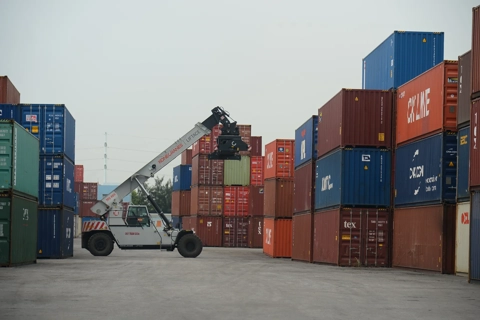
However, the high level of openness of the Vietnamese economy (the sum of exports and imports in as per GDP is around 200%), coupled with global uncertainties such as the US FED's policy of interest rate hikes, could put more pressure on the government's macroeconomic management.
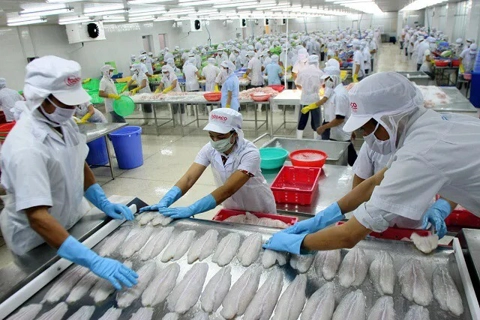
Over the last three years, the Vietnamese economy has transformed positively in terms of growth quality, Hue added. The comprehensive growth was reflected in three main sectors which are agriculture, industry and service. Of the three, the industry sector is less dependent on natural resources exploitation, especially crude oil and coal, and focuses on developing the manufacturing and processing.
The productivity growth has exceeded the target for this five-year government term of 5%. The incremental capital output ratio (ICOR) has been improved, down from 6.91% to 6.32%.
According to Hue, the government would continue to restructure the economy and revise growth model. Specifically, Prime Minister Nguyen Xuan Phuc has instructed the implementation of a national plan to improve labor productivity and develop domestic market.
Additionally, the development of the private sector and attracting high quality FDI projects are also in the focus, Hue stressed.
On the issue of Vietnam's increasing foreign debt, Deputy PM Vuong Dinh Hue said while government debt is fast declining, debt of the private sector is increasing. Hue said private enterprises are due to repay their respective foreign loans and the Vietnamese government is not obliged to pay these debts.
Over the last three years, the government has been stepping up effort to reduce public debt, he said. Before 2015, the average GDP growth rate was 6% but that of public debt was 18%. As of present, Vietnam's average GDP is 6.7%, while the growth of public debt is 8%.
Vietnam's foreign debt to GDP ratio in 2017 was 45.2% in 2017, and is projected to touch 49.7% of GDP in 2018 and 49.9% in 2019, nearly reaching the limit of 50% of GDP, according to Nguyen Duc Hai, chairman of National Assembly's Finance Budget Committee.
Additionally, government debt is also on the growing trend, which could increase from 51.8% of GDP in 2017 to 52.1% in 2018 and 52.2% in 2019, Hai said at a meeting on October 22. The cap on government debt is set at 53% of GDP.
Meanwhile, the country's public debt as per GDP has been on the decline, going from 62.6% of GDP in 2017 to 61.4% in 2018, and potentially 61.3% in 2019, which are all below the limit of 65% of GDP set by the National Assembly.

Deputy Prime Minister Vuong Dinh Hue. Source: VGP.
|
However, the high level of openness of the Vietnamese economy (the sum of exports and imports in as per GDP is around 200%), coupled with global uncertainties such as the US FED's policy of interest rate hikes, could put more pressure on the government's macroeconomic management.
Over the last three years, the Vietnamese economy has transformed positively in terms of growth quality, Hue added. The comprehensive growth was reflected in three main sectors which are agriculture, industry and service. Of the three, the industry sector is less dependent on natural resources exploitation, especially crude oil and coal, and focuses on developing the manufacturing and processing.
The productivity growth has exceeded the target for this five-year government term of 5%. The incremental capital output ratio (ICOR) has been improved, down from 6.91% to 6.32%.
According to Hue, the government would continue to restructure the economy and revise growth model. Specifically, Prime Minister Nguyen Xuan Phuc has instructed the implementation of a national plan to improve labor productivity and develop domestic market.
Additionally, the development of the private sector and attracting high quality FDI projects are also in the focus, Hue stressed.
On the issue of Vietnam's increasing foreign debt, Deputy PM Vuong Dinh Hue said while government debt is fast declining, debt of the private sector is increasing. Hue said private enterprises are due to repay their respective foreign loans and the Vietnamese government is not obliged to pay these debts.
Over the last three years, the government has been stepping up effort to reduce public debt, he said. Before 2015, the average GDP growth rate was 6% but that of public debt was 18%. As of present, Vietnam's average GDP is 6.7%, while the growth of public debt is 8%.
Vietnam's foreign debt to GDP ratio in 2017 was 45.2% in 2017, and is projected to touch 49.7% of GDP in 2018 and 49.9% in 2019, nearly reaching the limit of 50% of GDP, according to Nguyen Duc Hai, chairman of National Assembly's Finance Budget Committee.
Additionally, government debt is also on the growing trend, which could increase from 51.8% of GDP in 2017 to 52.1% in 2018 and 52.2% in 2019, Hai said at a meeting on October 22. The cap on government debt is set at 53% of GDP.
Meanwhile, the country's public debt as per GDP has been on the decline, going from 62.6% of GDP in 2017 to 61.4% in 2018, and potentially 61.3% in 2019, which are all below the limit of 65% of GDP set by the National Assembly.