Econ
Vietnam has little to gain from Sino-US trade war: Moody’s Analytics
Vietnam`s economic growth is projected at 6.7% in 2018 following a six-year high 6.8% real GDP growth in 2017.
Vietnam’s dependency on offshore demand, particularly from China and the US, to fuel its manufacturing sector indicates the country has little to gain in a drawn-out trade war, although the trade friction could bring Vietnam some near-term benefits, Moody’s Analytics has said in a note.
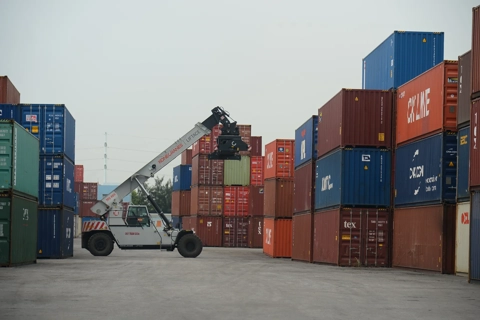
Similar to its ASEAN counterparts, Vietnam’s export-reliant economy is alarmed by escalated trade tensions. Through the first quarter of this year, exports as a share of real GDP reached 121%, ranking the highest of all ASEAN countries except Singapore.
 The Trump administration has imposed tariffs on US$250 billion worth of imports from China while the world’s second-largest economy has retaliated by punishing a cumulative value of US$110 billion worth of US imports.
However, the US-China trade spat does invite near-term upside to Vietnam, said Steve Cochrane, Moody’s Analytics Chief APAC Economist.
In an effort to escape tariffs on Chinese exports, multinational companies have been shifting some production from China to other areas, including Vietnam. Examples include LG and Samsung, both of which have shifted a portion of their electronic manufacturing from China to Vietnam this year.
The country’s low cost of labor and comparatively young and growing population make it an attractive locale for manufacturers.
Sharing the same view, Nguyen Hoang Hai, vice chairman of the Vietnam Association of Financial Investors (VAFI), told Hanoitimes that Vietnam stands to benefit much from the ongoing trade war between the two largest economies. Manufacturers may divert their facilities in China to Vietnam to avoid punitive tariffs.
A near-term boost could prove fleeting, however, if the US were to pursue similar tariffs on Vietnam to prevent China-based producers from evading tariffs, Cochrane warned. However, the US has not yet proposed such tariffs.
GDP growth of 6.7% in 2018
Moody’s Analytics is also upbeat about Vietnam’s growth outlook, estimating the country’s GDP growth of 6.7% in 2018 following 6.8% real GDP growth in 2017 – a six-year high.
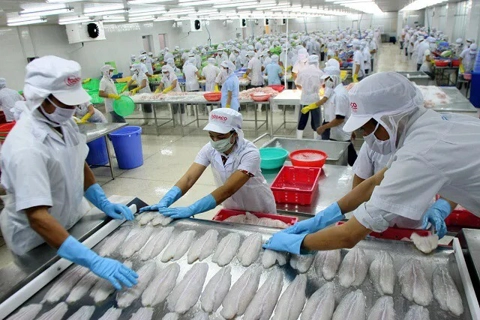
The positive economic outlook is supported by burgeoning electronic and textile exports, a modest recovery in agriculture, and steady inflows of foreign investment.
Additionally, a strong domestic market will further support headline growth. With tourism traffic at a record high in the first nine months of this year and a healthy labor market, consumer sales have been rising at a double-digit clip since last year.
The Vietnamese dong has depreciated 2.7% against the US dollar since the beginning of the year, a low extent when compared to other emerging market currencies. The country’s current account surplus and large foreign reserves will continue to position the economy better than other emerging markets facing widening current account deficits.
Moody’s Analytics expects the Vietnamese central bank to maintain a neutral stance through the end of the year, deviating from a handful of other central banks in Asia. The central bank is largely content with how economic conditions are playing out this year, and wants to maintain an environment that supports foreign investment into the country.
However, rising energy and administered prices are placing upward pressure on inflation, making it possible that monetary tightening will occur earlier than expected.
Vietnam’s CPI ticked up to 4.5% in August, rising above the central bank’s 4% 2018 target. “A continuation of this trend would force the State Bank of Vietnam to tighten its monetary stance to counter pricing pressures,” Cochrane predicted.
Similar to its ASEAN counterparts, Vietnam’s export-reliant economy is alarmed by escalated trade tensions. Through the first quarter of this year, exports as a share of real GDP reached 121%, ranking the highest of all ASEAN countries except Singapore.
However, the US-China trade spat does invite near-term upside to Vietnam, said Steve Cochrane, Moody’s Analytics Chief APAC Economist.
In an effort to escape tariffs on Chinese exports, multinational companies have been shifting some production from China to other areas, including Vietnam. Examples include LG and Samsung, both of which have shifted a portion of their electronic manufacturing from China to Vietnam this year.
The country’s low cost of labor and comparatively young and growing population make it an attractive locale for manufacturers.
Sharing the same view, Nguyen Hoang Hai, vice chairman of the Vietnam Association of Financial Investors (VAFI), told Hanoitimes that Vietnam stands to benefit much from the ongoing trade war between the two largest economies. Manufacturers may divert their facilities in China to Vietnam to avoid punitive tariffs.
A near-term boost could prove fleeting, however, if the US were to pursue similar tariffs on Vietnam to prevent China-based producers from evading tariffs, Cochrane warned. However, the US has not yet proposed such tariffs.
GDP growth of 6.7% in 2018
Moody’s Analytics is also upbeat about Vietnam’s growth outlook, estimating the country’s GDP growth of 6.7% in 2018 following 6.8% real GDP growth in 2017 – a six-year high.
The positive economic outlook is supported by burgeoning electronic and textile exports, a modest recovery in agriculture, and steady inflows of foreign investment.
Additionally, a strong domestic market will further support headline growth. With tourism traffic at a record high in the first nine months of this year and a healthy labor market, consumer sales have been rising at a double-digit clip since last year.
The Vietnamese dong has depreciated 2.7% against the US dollar since the beginning of the year, a low extent when compared to other emerging market currencies. The country’s current account surplus and large foreign reserves will continue to position the economy better than other emerging markets facing widening current account deficits.
Moody’s Analytics expects the Vietnamese central bank to maintain a neutral stance through the end of the year, deviating from a handful of other central banks in Asia. The central bank is largely content with how economic conditions are playing out this year, and wants to maintain an environment that supports foreign investment into the country.
However, rising energy and administered prices are placing upward pressure on inflation, making it possible that monetary tightening will occur earlier than expected.
Vietnam’s CPI ticked up to 4.5% in August, rising above the central bank’s 4% 2018 target. “A continuation of this trend would force the State Bank of Vietnam to tighten its monetary stance to counter pricing pressures,” Cochrane predicted.