Econ
Vietnam's nation brand valued at US$235 billion, among 100 most valuable
Vietnam has climbed two places compared to the list released in 2017.
Vietnam is ranked 43th in the list of the top 100 most valuable nation brands in 2018 at US$235 billion, up 16% year-on-year or US$32 billion, according to the latest report released by Brand Finance.
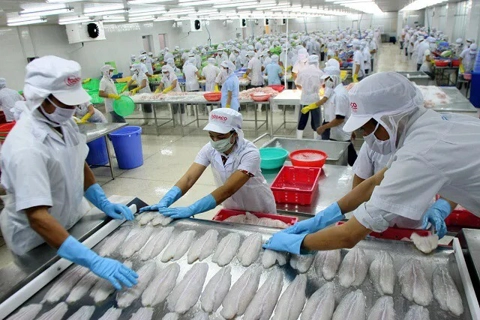
Vietnam has climbed two ranks compared to the list released in 2017, mainly due to the efforts of a national mark program called "Vietnam Value". Vietnam's processed food industry now contributes upwards of US$17 billion of the country's exports. The apparel industry makes up over US$22 billion of exports.
These economic contributions are absolutely crucial for Vietnam's overall growth and would not have been entirely possible without the concentrated efforts by Vietnam's government, according to the report.
However, the 16% growth rate was not sufficient for Vietnam to be included in the list of 10 best performing nation brands in 2018 compared to 2017.
In South East Asia, Vietnam's brand value stood at the sixth place, and the difference between the country and the leading nation Indonesia is US$613 billion.
There were insignificant changes to the top 10 most valuable nation brands, of which the US, China and Germany claimed the top three spots. The US was valued at US$25.89 trillion, up US$4.8 trillion year-on-year. Brand Finance attributed this result to President Donald Trump's new free-market policies and high economic growth rate.
Brand Finance measures the strength and value of the nation brands of 100 leading countries using a method based on the royalty relief mechanism employed to value the world's largest companies.

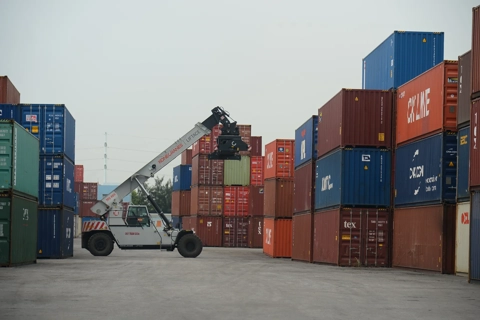
Illustrative photo.
|
These economic contributions are absolutely crucial for Vietnam's overall growth and would not have been entirely possible without the concentrated efforts by Vietnam's government, according to the report.
However, the 16% growth rate was not sufficient for Vietnam to be included in the list of 10 best performing nation brands in 2018 compared to 2017.
In South East Asia, Vietnam's brand value stood at the sixth place, and the difference between the country and the leading nation Indonesia is US$613 billion.
There were insignificant changes to the top 10 most valuable nation brands, of which the US, China and Germany claimed the top three spots. The US was valued at US$25.89 trillion, up US$4.8 trillion year-on-year. Brand Finance attributed this result to President Donald Trump's new free-market policies and high economic growth rate.
Brand Finance measures the strength and value of the nation brands of 100 leading countries using a method based on the royalty relief mechanism employed to value the world's largest companies.