Log in
Business

Covid-19 hurts income of 90% of Vietnamese laborers

Half of the number of laborers have their income reduced by at least 20%, with the majority being low-skilled workers.

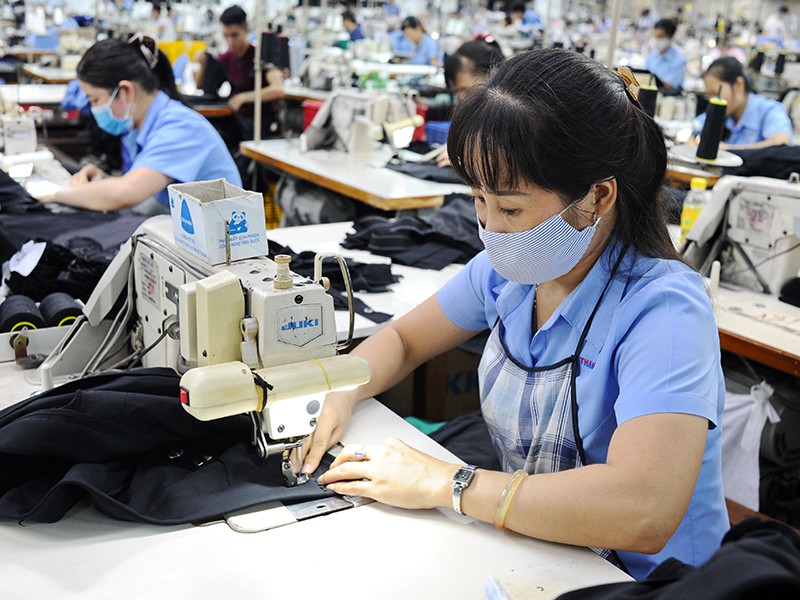
Nearly 90% of Vietnamese laborers taking part in a survey conducted by market research company Ipsos said they have received less income than before due to the Covid-19 outbreak and the subsequent social distancing orders, VnExpress reported.

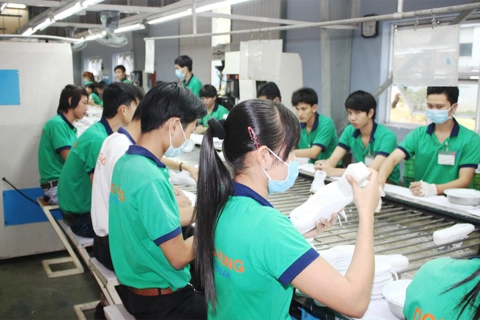
 90% Vietnamese earn less income on Covid-19. 

Notably, half of the respondents have their income reduced by at least 20%, with the majority being low-skilled workers.

The result is part of an online survey conducted simultaneously in six Southeast Asian countries. In case of Vietnam, 500 people were randomly selected and divided into three groups of monthly income: below VND7.5 million (US$323.49), from VND7.5 million (US$323.49) to VND23.5 million (US$1,013), and over VND23.5 million (US$1,013).

CEO of Ipsos Vietnam Ngan Ly told VnExpress that, normally, with a sample size of 100, the acceptable margin of error would be 10%. For this survey, the size is 500 and the margin of error is around 4%, so the result could be considered valid and representative of Vietnamese people.

A survey from the General Statistics Office released in early July revealed that in the first six months, this year nearly 31 million workers aged 15 and over in Vietnam have been hit by the Covid-19 pandemic. Notably, 17.6 million people, or 57.3% of the affected ones, have received less income than before the Covid-19 outbreak.

According to the GSO, the monthly income of workers in the second quarter averaged VND5.2 million (US$225), down VND525,000 (US$23) or 10% against the previous quarter. This is also the first decline in monthly income over the last five years.

Market research firm Ipsos said a lower income led to changes in daily behavior of Vietnamese people. Specifically, 17% of households with low income are forced to tighten spending, particularly on tourism, food, clothes and electronic products. In contrasts, home and personal care products such as body lotion, cleanser or toothpaste have witnessed increases in sale.

Moreover, 30% said they prefer shopping online or meal delivery services to going to supermarkets. Such a change in behavior led to a reduction of 46% in cash payments compared to the pre-Covid-19 period.

Meanwhile, 67% of people taking part in the survey expressed confidence that the economic outlook and their income in the second half of the year would be better, while 12% predicted a worsening scenario.

Ipsos said customers are being more selective in buying products, which not only meet their basic needs, but also provide better shopping experience.

Retailers should provide better customer services and be more cautious in pricing policies in this regard, Ngan Ly said.

Reactions:
Share:
Trending
Most Viewed
Related news
Vietnam to tighten biometric authentication for new bank cards next year

Vietnam to tighten biometric authentication for new bank cards next year

Bank card issuers must conduct a face-to-face meeting and match the biometric data of individual customers or the legal representative of organizational customers with their identity documents.

Make in Vietnam forum spotlights breakthroughs shaping digital future in the country

Make in Vietnam forum spotlights breakthroughs shaping digital future in the country

Vietnam will host the seventh National Forum on Vietnamese Digital Technology Enterprises on December 25 in Hanoi, highlighting policy directions, strategic technologies and progress under the “Make in Vietnam” initiative as the country pushes toward a stronger digital economy.

Hanoi and Moscow seek new economic momentum as partnership marks 75 years

Hanoi and Moscow seek new economic momentum as partnership marks 75 years

At the Moscow–Hanoi Business Forum, leaders from both capitals said 75 years of Vietnam–Russia ties provide a strong foundation to deepen economic and investment cooperation, especially in technology, trade and urban development.

Vietnam manufacturing maintains strong momentum despite storms disrupting supply chains

Vietnam manufacturing maintains strong momentum despite storms disrupting supply chains

Vietnam’s manufacturing sector continued to expand in November, marking the fifth straight month of improvement, even as severe storms caused supply-chain delays and slowed production, according to S&P Global.

Techfest 2025 returns to Hanoi, spotlighting Vietnam’s vibrant startup community

Techfest 2025 returns to Hanoi, spotlighting Vietnam’s vibrant startup community

Hanoi’s Hoan Kiem pedestrian street will host Techfest Vietnam 2025 from December 12 to December 14, welcoming entrepreneurs, investors and the public to explore emerging technologies and celebrate the country’s growing culture of innovation.

Vietnam expands major entrepreneurship program to unlock opportunities for women nationwide

Vietnam expands major entrepreneurship program to unlock opportunities for women nationwide

The Vietnam Women’s Entrepreneurship Support Program has surpassed nearly every target set for 2017–2025, empowering more than 118,000 women to launch new ventures and laying the groundwork for a stronger, more inclusive entrepreneurial ecosystem in the next decade.

HHTIP accompanies businesses in efficient energy use for sustainability

HHTIP accompanies businesses in efficient energy use for sustainability

As green transition becomes a decisive factor shaping future growth, Hanoi is intensifying efforts to push energy efficiency across its industrial zones. The city’s management board is building a development model centered on clean energy, responsible production and sustainable operations.

Vietnam launches Semiconductor Alliance to build skilled workforce, strengthen global industry ties

Vietnam launches Semiconductor Alliance to build skilled workforce, strengthen global industry ties

The newly launched Semiconductor Alliance in Vietnam seeks to develop skilled professionals, foster collaboration between universities and businesses while preparing the country to play a more active role in the global semiconductor industry.