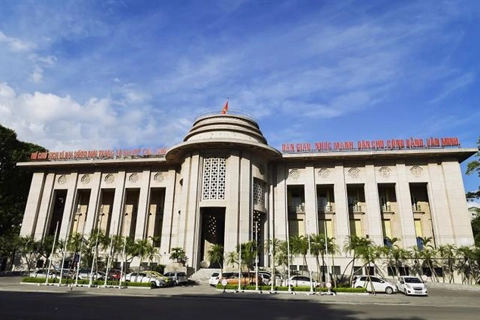
Finance Ministry flags digital currency risks in Vietnam’s upcoming financial centers
Digital assets and cryptocurrencies remain unregulated in Vietnam.
The Ministry of Finance (MoF) has rejected a proposal to pilot digital currency and asset transactions in Vietnam's financial centers starting from July 2026, citing concerns over financial security.
| Ho Chi Minh City is set to have a new financial center. Photo: Hoang Anh/The Hanoi Times |
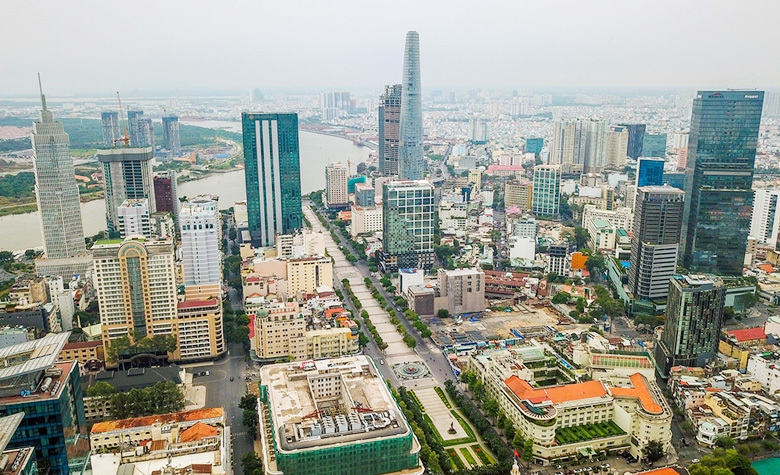
Financial centers in Ho Chi Minh City and Danang are expected to become operational this year 2025. The Ministry of Planning and Investment (MPI) has proposed a controlled testing environment (sandbox), which would include exchanges for digital assets and cryptocurrencies, as well as business models using financial technology (fintech). Under this proposal, transactions involving digital assets and currencies could begin on July 1, 2026.
In its feedback, the MoF emphasized that digital assets and cryptocurrencies remain unregulated in Vietnam. Managing these assets would require regulations covering issuance, ownership, trading, service licensing, and information security to ensure national financial safety, stated the ministry.
Concerned about the potential impact on financial security, the MoF has suggested that regulatory bodies seek additional input from the State Bank of Vietnam (SBV), which oversees monetary policy, as digital currencies and assets could potentially be used for payment transactions.
The ministry also proposed amending the regulations to give the government control over the pilot rollout of digital assets and currencies. It recommended removing the scheduled start date of July 1, 2026, for conducting transactions.
Although popular cryptocurrencies like Bitcoin and Ethereum are considered virtual assets globally, Vietnam has yet to establish a legal definition for virtual currencies or assets. Current regulations only cover electronic money linked to fiat currency, such as prepaid bank cards and e-wallets.
The absence of a legal framework has led many businesses to register in countries like Singapore or the US while operating in Vietnam, undermining competitiveness and leading to tax revenue losses. From a user perspective, experts note that the lack of transparency increases transaction risks.
According to the Vietnam Blockchain Association, from 2021 to 2022, Vietnam ranked among the top three countries in the world for digital asset ownership, with 21% of the population holding such assets, trailing only the UAE and the US. Digital asset inflows into Vietnam reached $120 billion in 2023, according to a report by market analysis firm Chainalysis.
Sandbox models allow fintech startups to test new ideas and business models—such as blockchain, digital banking, and digital assets—without having to immediately adhere to traditional regulations. This lowers costs and reduces legal risks. Major financial hubs like Singapore, Hong Kong, the UK, and Australia have all adopted sandbox frameworks to encourage fintech innovation.
The MPI, in proposing the sandbox pilot, hopes the policy will create a safe environment for fintech development in Vietnam and help build a modern, competitive financial center. However, the ministry also acknowledges that the model could increase the risk of financial fraud, requiring strict oversight mechanisms from regulators.