Hanoi: Pedestrian streets in Son Tay town attracts large numbers of visitors
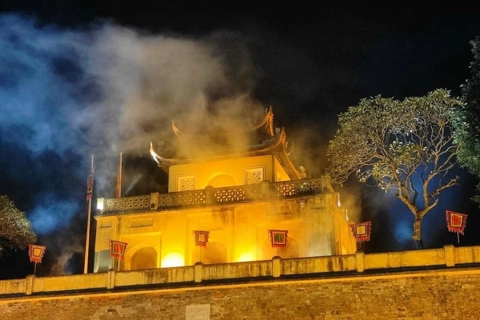
Combining with some neighboring cultural sites, the 200-year-old citadel of Son Tay has become a new tourist attraction in the capital city.
Within a month since its opening in early May, the pedestrian zone around Son Tay ancient citadel in Hanoi has attracted over 90,000 visitors, according to the Management Board of Son Tay Citadel Pedestrian Zone.
| The calligraphy writing activity at Son Tay Ancient Citadel Pedestrian Zone. Photo: Pham Hung |

“The Son Tay ancient citadel walking street has attracted around 10,000 to 15,000 visitors per week,” Nguyen Dang Thao, head of the Duong Lam Ancient Village Relic Management Board, Standing Vice Chairman of the Son Tay Ancient Citadel Pedestrian Zone said.
“Particularly, the walking street welcomed over 35,000 visitors on the occasion of Reunification and May Day Holidays. The number of visitors then decreased but has gradually recovered during the flowing weekends of the month, reaching over 25,000 people” he stated.
He also added that there have been 100 cultural, artistic and sporting events held at eight main stages and surrounding areas of the walking space during the past month.
Cultural activities here featured in various themes that were suitable for audiences from all ages and genders, namely: the Ao dai or Vietnamese traditional dress fashion show, dance competitions, the music performance to welcome the 31st SEA Games, among others.
In addition, there were some activities held exclusively for children, including folk games, calligraphy writing, traditional drawing, among others.
Some other entertainment areas, including the games zone, souvenir shops, the “Doai region cuisine” and orchid display are the magnets drawing visitors to the pedestrian zone.
| The space of the newly opened walking area around Son Tay Ancient Citadel. Photo: Pham Hung |
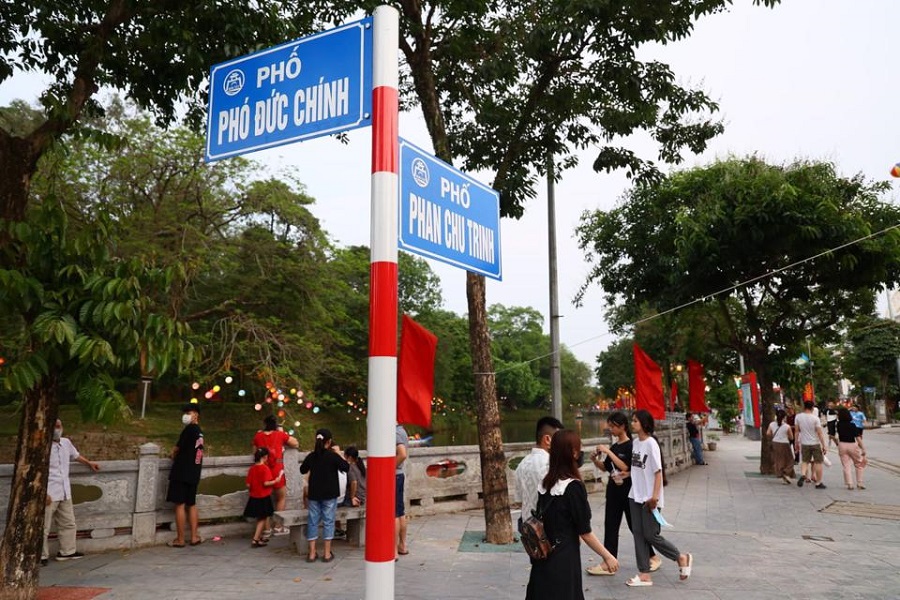
Secretary of the Son Tay Town Party Committee Tran Anh Tuan said that the pedestrian streets of the Son Tay Citadel, one among four pedestrian zones in Hanoi, have been contributing to boosting trade, services and tourism of the town as well as the preservation and promotion of the local cultural values.
“Hopefully that this newly opened walking area around Son Tay Ancient Citadel will partly meet the entertainment and cultural exchange needs of locals and visitors to Son Tay Town,” he said.
Located around 40km away from Hanoi’s downtown, Son Tay Citadel was built by King Minh Mang in 1822 to defend the west of the northern hub of the country. Withstanding many wars, battles and sieges, its massive walls and the west and the south gates have remained intact.
The 820-meter-long pedestrian zone spans some streets around the ancient citadel and includes Son Tay Town’s main square, the cultural house and the town’s stadium.
In order to have a better experience of the daily life in ancient villages in Hanoi’s outskirt, visitors can combine the visit to the walking zone with a trip to nearby Duong Lam ancient village and Son Tay ancient citadel in a one-day-tour at the weekend.