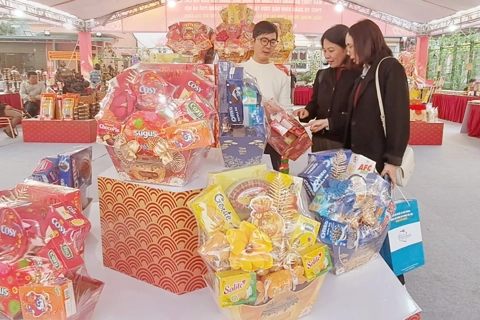
Hanoi promotes Vietnamese products in domestic market
In 2025, Hanoi will organize numerous trade promotion events to connect its enterprises with those in provinces and cities across the country.
THE HANOI TIMES — Hanoi steps up its efforts to promote Vietnamese-made goods by improving supply-demand connectivity, enhancing product quality, expanding e-commerce, and tightening market supervision.
These measures are part of the city’s 2025 action plan to implement the nationwide campaign: "Vietnamese People Prioritize Vietnamese Goods," which was recently issued by the Hanoi Department of Industry and Trade.
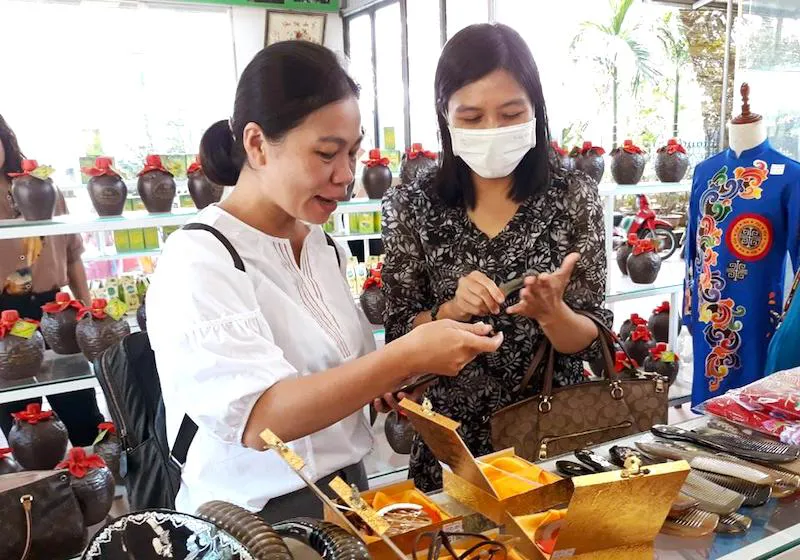
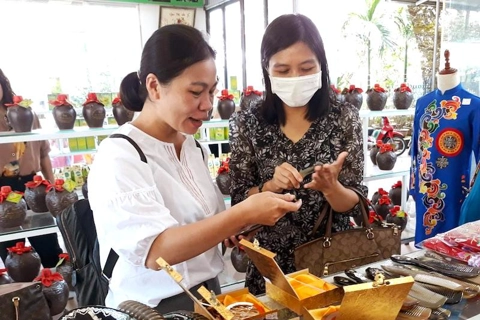
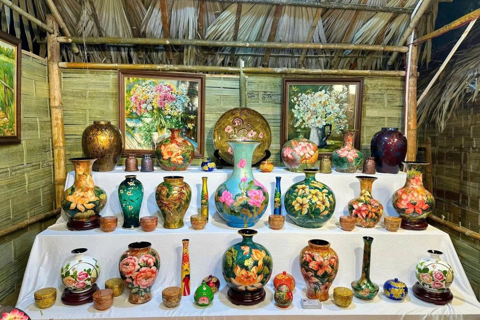
Many Hanoi's products are popular among local consumers. Photos: Hoai Nam/The Hanoi Times
The plan aims to stimulate domestic consumption, support local businesses, and raise public awareness of the quality and value of Vietnamese products, encouraging changes in shopping habits and fostering long-term consumer loyalty.
The city aims to raise public and business awareness of the campaign while expanding the market share of Vietnamese goods to over 80% in traditional markets and rural retail outlets and over 85% in modern distribution channels.
This approach is expected to boost domestic production and provide consumers with broader access to locally made products.
Local businesses are encouraged to build strong brand identities, improve packaging, enhance product quality, and reduce costs to make Vietnamese goods more competitive. They prioritize using locally sourced materials, developing fixed and mobile distribution networks, and placing a stronger focus on domestic markets, particularly rural, mountainous, and remote areas.
To support these efforts, Hanoi will organize various trade promotion activities in 2025, including major promotional events, publicity for the One Commune, One Product (OCOP) program, and initiatives to distribute specialty products from Hanoi and other provinces.
The city also plans to roll out price stabilization campaigns and bring Vietnamese goods to rural areas, industrial parks, and export processing zones.
The Department of Industry and Trade will intensify market inspections and controls. Meanwhile, relevant units will counsel businesses on legal compliance and enforce regulations against the sale of counterfeit and substandard products, unsafe food practices, price manipulation, and the abuse of policies to promote Vietnamese goods for personal gain.
Hanoi carries out the Politburo’s Resolution No. 66-NQ/TW, which calls for a new approach to legislative development and enforcement, including issues related to the development of the domestic goods market.
This resolution presents an opportunity to remove structural barriers for Vietnamese products and create tightly integrated value chains from production to consumption.
Develop a business support ecosystem
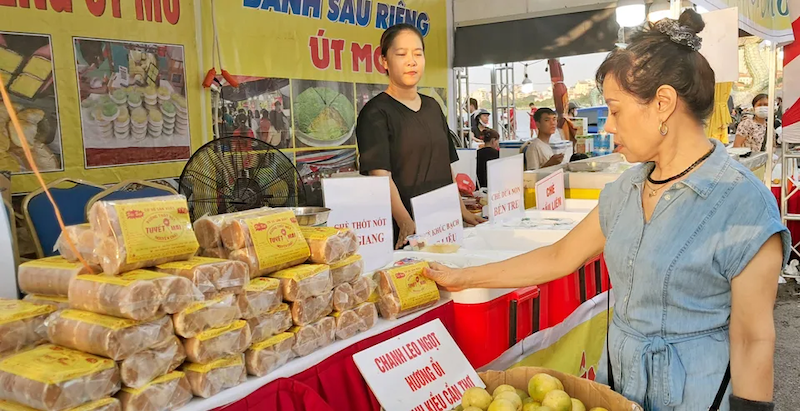
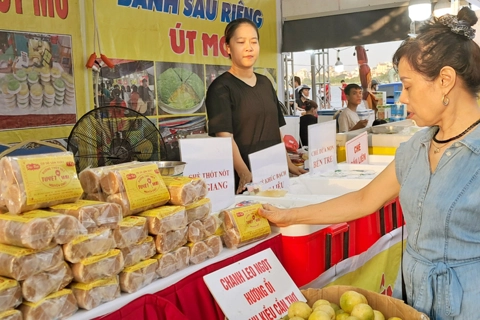
A local consumer visits a trade show booth at the Vietnam Goods Week 2024 in Tay Ho District.
With a population of nearly 10 million and a modern commercial infrastructure, Hanoi is a prime market for Vietnamese goods. However, national products fiercely compete with imported goods in terms of quality, design, and branding.
According to local economist Vu Vinh, Vietnamese products are not inferior in quality; however, they often lose out due to a deficiency in professional branding and market strategy. He urged Hanoi to develop a business support ecosystem that enhances competitiveness in areas such as packaging design and digital transformation.
"With meaningful support from local authorities, Vietnamese agricultural products, clean food, and household goods could dominate the domestic market and reach their export potential," he said.
Tran Thi Hoa, Director of a clean food facility in Dong Anh District, Hanoi, said small businesses still struggle to access loans, production space, and marketing channels. "We need simplified administrative procedures and regular trade fairs to showcase our products," she said.
As the city aims to make it a major consumption market and a powerful promotion platform for Vietnamese products domestically and internationally, it is supporting domestic businesses to enable them to succeed in the face of increasing competition and deeper international integration.