Hanoi suburb develops green artisan villages
Phuc Tho District will put in place plans to encourage local artisanal businesses to work exclusively agricultural.
Phuc Tho District is setting the stage for a sustainable future by prioritizing investment in the development of eco-friendly craft villages from 2023 to 2025 and beyond. This initiative aligns with broader goals to boost trade and tourism in the region.
Comprehensive development plan for craft villages
| The woodworking village in Thanh Da commune, Phuc Tho district. Photos: Tung Nguyen/The Hanoi Times |
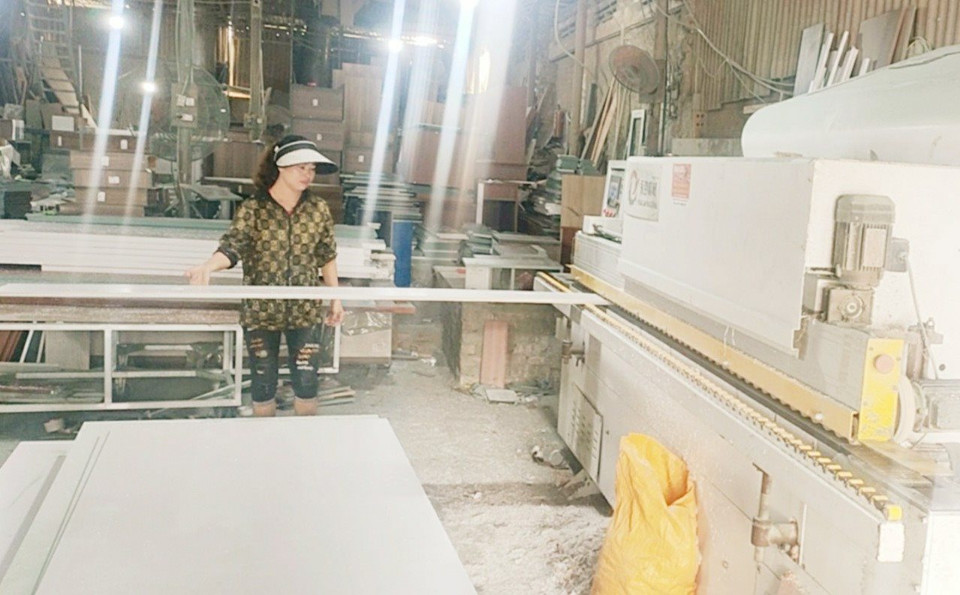
This initiative outlines the development plan for industry, handicrafts, trade, and craft villages in the district from 2023 to 2025, with a vision extending to 2030, according to Can Van Hong, the district’s Economic Division Head.
He emphasized the importance of refining the criteria for existing artisan villages, saying that building modern infrastructure, maintaining rural aesthetics, and adhering to zoning regulations are critical components of this initiative.
Le Van Thu, Vice Chairman of the district, emphasized the vital role of artisan villages in rural economic development. "The trades practiced by these villages are essential for improving the quality of life of our residents," he said. The local government is committed to fostering an environment in which these crafts can flourish, he pledged.
He added that the district will focus on the development of Thuong Hiep Sewing Village in Tam Hiep Commune, integrating it with tourism, as stated in Resolution No. 12-NQ/HU of the Phuc Tho District Party Committee.
The policy also envisions new trade villages, including machine manufacturing in the Lien Hiep commune, noodle and tofu making in the Sen Chieu commune, and wood processing in the Hat Mon and Thanh Da communes, Thu said.
In addition, the district is planning strategies to develop artisanal businesses in purely agricultural villages. This includes launching trade promotion programs to attract investment and engage businesses in craft development, the Vice Chairman said.
To support the marketing of these crafts, Phuc Tho aims to set up three to five centers to showcase and sell local products by 2025, with a vision of 2030. Thu said that the district would also continue to strengthen the brand identities of its handicrafts to ensure their recognition and success in the market.
Economic growth driven by craft village success
| The sewing craft village in Tam Thuan Commune has been recognized as a traditional craft village by the Hanoi People's Committee. |
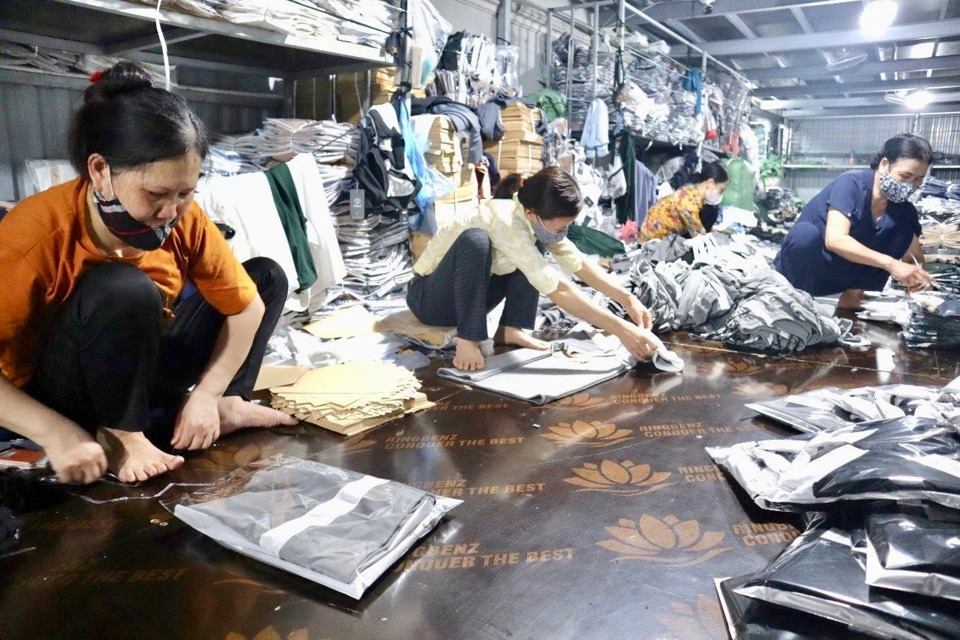
According to the district's Economic Division, the growth of these villages in recent years has significantly increased local revenues and created thousands of jobs for local and surrounding residents.
Approximately 24.4% of the nearly 630 households in Tao Village, Tam Thuan Commune, are involved in the clothing industry, employing over 800 workers. The business began to take off in the early 2000s, focusing on products such as polo shirts, sun protective clothing, windbreakers, and school uniforms.
Nguyen Van Dinh, Chairman of the People's Committee of Tam Thuan Commune, noted that the advent of sewing has greatly improved both the material and emotional well-being of the people in Tao Village, with the average annual income of those involved in the trade reaching VND120 million (US$4,822).
In April, Tao Village was designated a traditional craft village by the Hanoi People's Committee. "This honor not only signifies our achievements but also provides an opportunity for us to further maintain and develop our traditional sewing craft," he added, expressing the village's pride in its heritage.
With the designation of Tao Village as a traditional trade village in Hanoi, Phuc Tho District now has a total of nine such villages, home to about 1,700 production and trading enterprises. This number is still growing.
In addition to the established craft villages, Phuc Tho has been actively promoting new trades in recent years.
Notable examples include the gypsum figurine production village in Thanh Da commune and the soy sauce production village in Thuong Coc commune. These initiatives underscore the district's commitment to diversifying its industries and supporting local economic development.