Health issues – big concern among migrants
Vietnam is cooperating with international organizations to promote the health of migrants through collective access to current situations and trends of migrations with lessons learned.
Health issues among migrants in the Association of Southeast Asian Nations (ASEAN) remain complex, including infectious diseases, occupational health hazards and injuries, and mental health challenges.
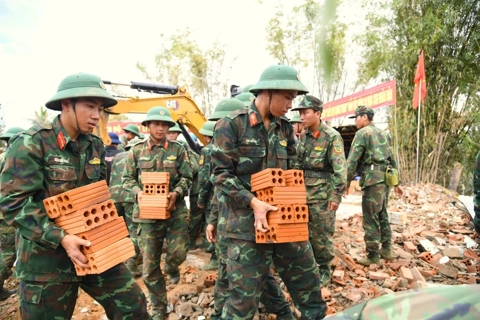
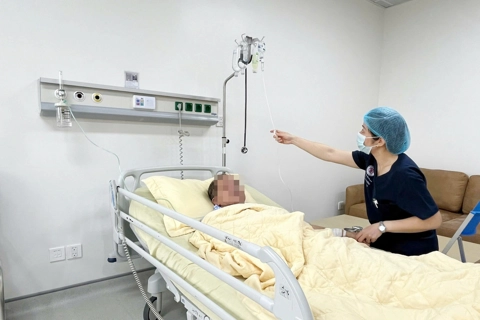
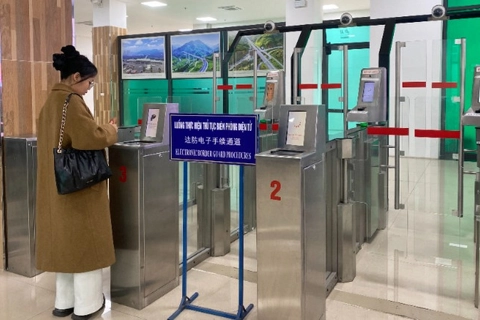
| Health issues among migrants remain complex in ASEAN. Photos: IOM |

The list also includes non-communicable diseases, such as cardiovascular disease and diabetes, and maternal and child health problems, news was shared at a hybrid international workshop titled "Migration and Health for Migrants in ASEAN” held in Hanoi earlier this week.
Infectious diseases like Human immunodeficiency virus (HIV), Acquired immunodeficiency syndrome (AIDS), tuberculosis (TB), and malaria continue to be significant concerns for member states. Some countries in the region are recorded as the countries with the highest prevalence of TB, HIV, and malaria. The Philippines, Myanmar, Indonesia, Thailand, and Vietnam are among the top 30 countries with the highest TB incidence globally.
According to Luong Quang Dang, Vietnam’s Ministry of Health, the number of Vietnamese workers under contract in 2022 was more than 600,000 working in over 40 countries and territories, with the four biggest destinations of Japan, Taiwan, South Korea, and Malaysia. Up to 90% of them worked in Japan and Taiwan.
| Overview of the workshop. |
.jpg)
Situation in ASEAN
The ASEAN region has long been a significant hub of origin, transit, and destination countries for migrants and their families. The region records the highest number of international migrants in Asia, following India and China.
Over the past three decades, international migration rates within the ASEAN member states have witnessed a significant increase as people of diverse genders, ages, abilities, sexual orientations, and ethnicities migrate due to various push and pull factors.
Across ASEAN, much heterogeneity exists in health service delivery systems. Health expenditure varies from the highest, in Cambodia to the lowest in Brunei Darussalam. Achieving Universal Health Coverage (UHC) remains a challenging goal, even for the citizens of the Member States, and presents an even greater challenge for migrants.
Recent studies conducted by International Organization for Migration (IOM) in the region have highlighted the challenges faced by cross-border migrants in accessing healthcare, including language barriers, discrimination, financial constraints, lack of portable health insurance across borders, and lack of official cross-border referral mechanisms for migrant patients.
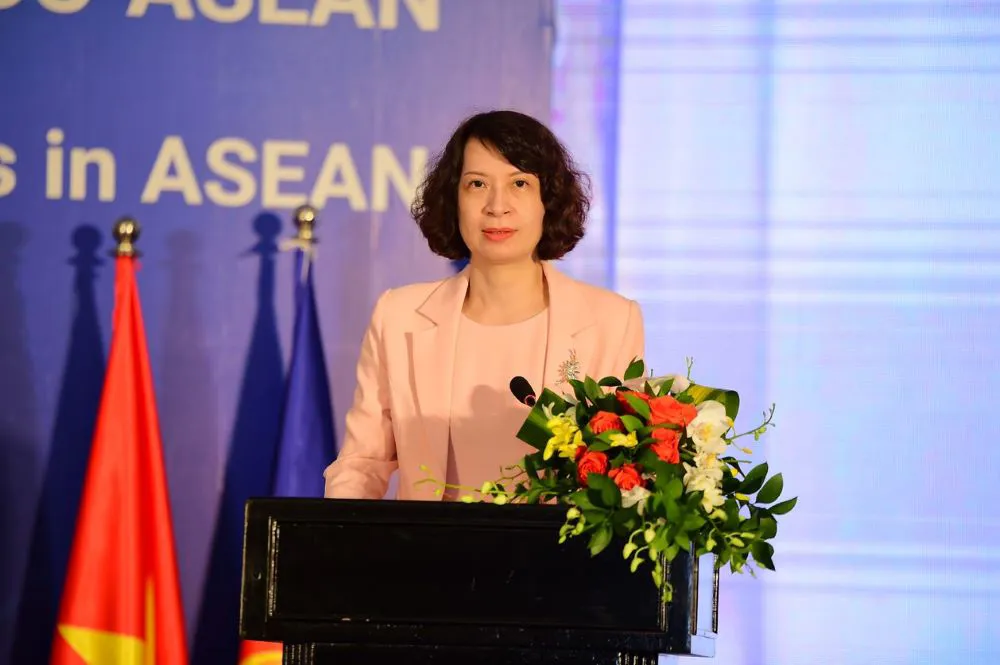
| Nguyen Thi Lien Huong, Deputy Minister of Health, speaks at the event. |
Joint efforts
More than 160 delegates, who are high-ranking officials, experts, and scholars from health and non-health sectors representing ASEAN, gathered at the event to discuss how to handle the issues.
The workshop provided a platform for participants to discuss and strengthen cooperation among the ASEAN member states to enhance the health and well-being of migrants. It also called for streamlined collaboration to improve access to healthcare services for migrants, especially cross-border migrants.
The Ministry of Health (MOH) of Vietnam led the workshop in collaboration with the ASEAN Member States, with the support of the International Organization for Migration (IOM) and the World Health Organization (WHO).
Speaking at the event, Nguyen Thi Lien Huong, Deputy Minister of Vietnam's Ministry of Health, said the workshop is an excellent opportunity for all ASEAN Members to collectively assess the current situation and migration trends in the region and the world and its impacts on socio-economic development.
“We can share lessons, initiatives, and policy recommendations to promote the health of migrants in ASEAN to strengthen cooperation between ASEAN member states as well as with our partners in migrant health,” she added.
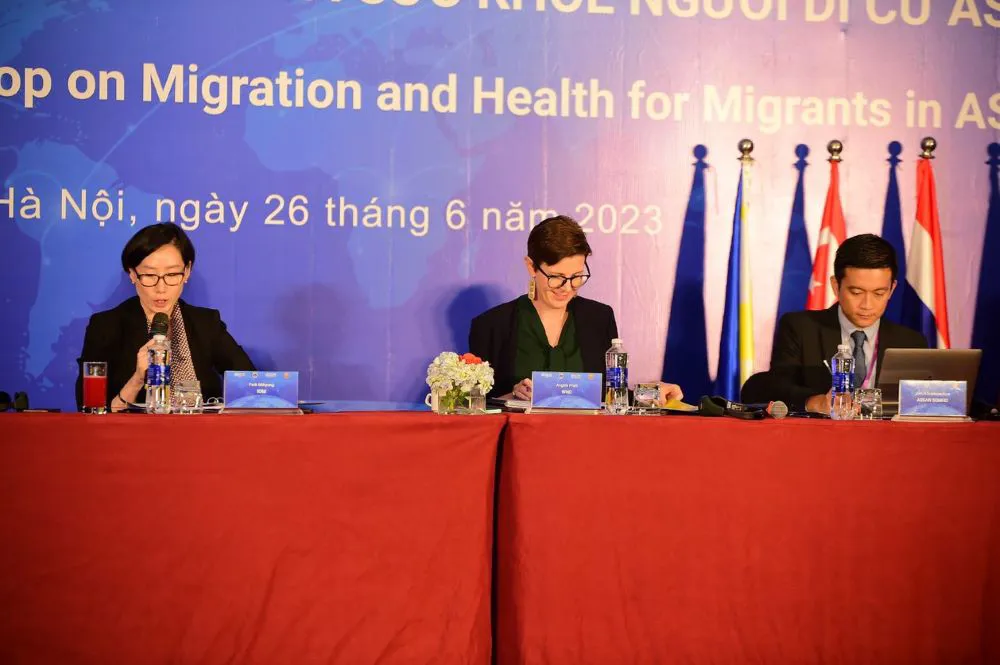
IOM’s Chief of Mission Park Mihyung said in a world where an increasing number of people are on the move, regional collaborations and partnerships are crucial to enhance the health and well-being of migrants. Healthy migrants contribute to healthy communities.
“I am proud that IOM and ASEAN nations have taken a positive step toward advancing migrant health agenda by the goals of the Global Compact for Safe, Orderly, and Regular Migration (GCM),” she stated.
GCM is the first inter-governmentally negotiated agreement that prioritizes health as a cross-cutting issue, with references to health and healthcare access in several objectives. By aligning with the GCM with the SDGs and World Health Assembly Resolutions, we have a significant opportunity to promote the health of migrants, foster multi-sectoral partnerships, and develop data-driven policies in ASEAN.
Guided by the 2030 Agenda for Sustainable Development, particularly Goal 3, which aims to ensure healthy lives and promote well-being for all at all ages, and Resolution 70.15 entitled “Promoting the health of refugees and migrants,” endorsed by the World Health Assembly in May 2017, all member states must ensure that migrants are included in national health systems, ensuring their access to quality healthcare services without barriers.
Migrants’ health is also a top priority of the ASEAN Health Sector under the ASEAN Post 2015 Health Development Agenda, specifically, the ASEAN Health Cluster (AHC 3) on Strengthening Health Systems and Access to Care. The AHC 3’s program aims to enhance health systems’ capacity and capability to seek to improve services for documented migrants, including migrant workers, especially women and children.
| IOM’s Chief of Mission Park Mihyung (1st left) and Dr. Angela Pratt, WHO Representative in Vietnam at the event. |
IOM, WHO support Vietnam in ensuring migrant health
In Vietnam, IOM has implemented various mechanisms to promote migrants' access to healthcare services, such as facilitating TB diagnosis and treatment for migrants across Vietnam - Cambodia border. With financial support from the Global Fund, IOM is supporting the National Tuberculosis Programmes in both countries to establish a cross-border referral mechanism.
In response to the Vietnam Government’s call, IOM and WHO have supported the Ministry of Health in establishing an inter-ministerial and inter-sectoral working group called the Migrant Health Working Group (MHWG) in 2021. This inter-ministerial and inter-sectoral working group is a technical coordination mechanism, enabling relevant departments across different ministries to manage migrant health issues.