PetroVietnam advances nationwide STEM classrooms to drive innovation and future talent
PetroVietnam expands its STEM Innovation program to develop high-quality classrooms and strengthen Vietnam’s future workforce in science, technology and innovation.
THE HANOI TIMES — PetroVietnam’s program to build 100 international-standard STEM classrooms in 34 provinces highlights the corporate sector’s role in advancing Resolution 57 of the Politburo on science, technology and innovation.
The initiative also supports the creation of a new generation of Vietnamese knowledge-based energy citizens.
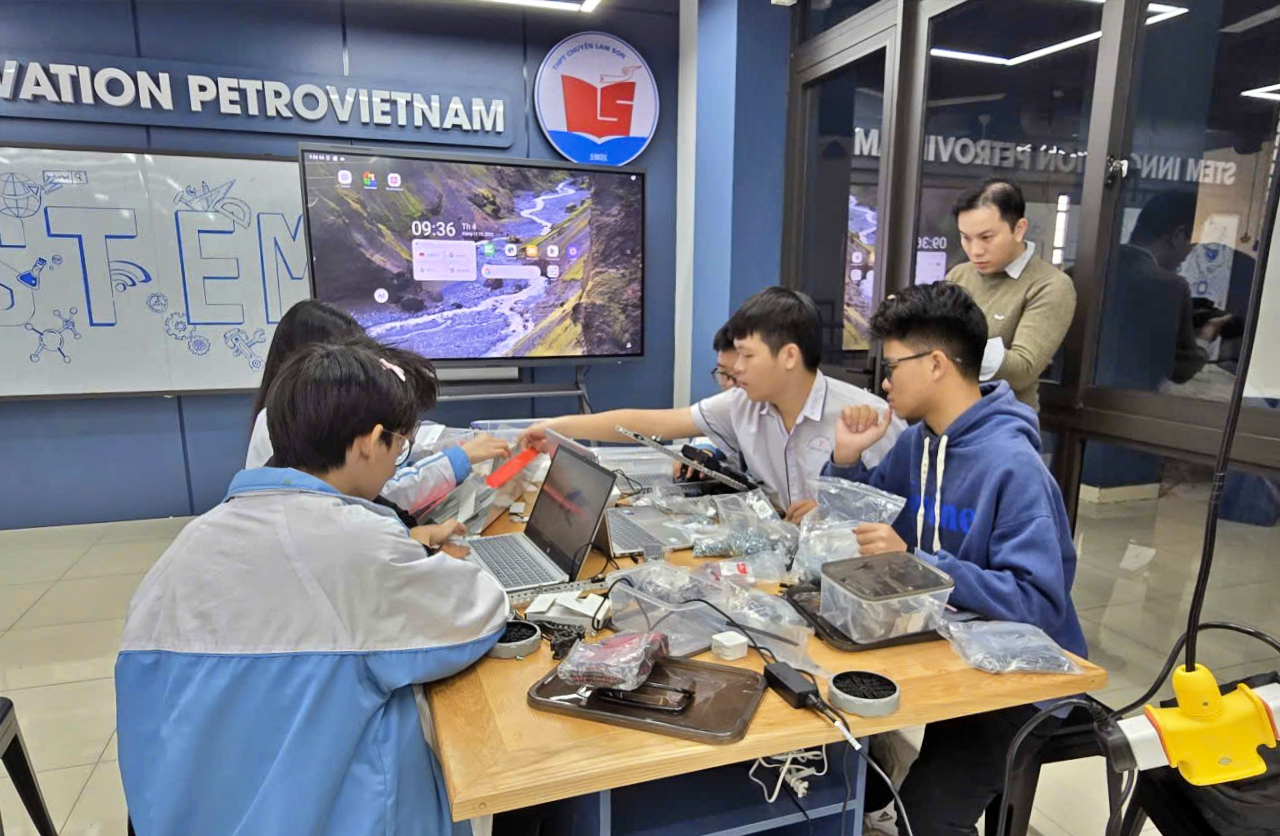
A STEM classroom developed by PetroVietnam in the coastal province of Thanh Hoa. Photo: PetroTimes
The program, called STEM Innovation PetroVietnam, started in late September 2025. PetroVietnam has built 11 STEM classrooms so far and aims to finish the project by December 31.
This marks the largest education project a Vietnamese business has ever launched. PetroVietnam plans to expand the effort and build 10,000 STEM classrooms nationwide by 2045.
STEM education integrates science, technology, engineering and math. It emphasizes learning through hands-on practice and connects lessons to real-life contexts.
National Assembly deputy Ha Anh Phuong, honored as a “Global Teacher” for her work in expanding international education access for ethnic minority students, said Vietnam needs to expand this model.
She shared an example of a plastic-straw research project in an ethnic minority area where students lacked laboratory equipment.
In that project, the students and teachers visited local bakeries to borrow tools and heat sources for experiments, collected scrap materials and built a working cutting machine on their own.
STEM education prepares the foundation for innovation and digital-economy development by building problem-solving and scientific thinking skills, she said at a workshop today (December 7).
Students learn to apply cross-disciplinary knowledge in technology, science, math, physics and chemistry to solve real-world problems and create practical models or products, she added.
Phuong said students in remote areas cannot access modern equipment, so STEM education helps them build core skills for a future digital economy.
She believed that STEM can narrow regional gaps by giving rural students more access to future jobs.
“STEM Innovation PetroVietnam helps students and reduces regional inequality,” the deputy said. “The program shows long-term investment in education and reflects PetroVietnam’s strong sense of social responsibility.”
Nguyen Thi Nhan, a teacher at Cau Giay Secondary School, said the school now has advanced equipment and modern technology.
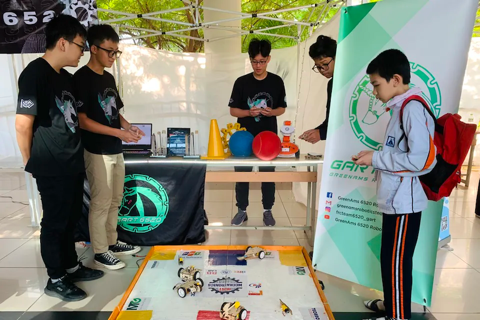
She said this gives teachers and students a major boost in mindset and teaching methods. Students can explore high-tech tools such as AI and robotics, assemble robots and bring their creations to regional competitions.
Making STEM education effective
Deputy Ha Anh Phuong said Vietnam needs to link STEM platforms, build student STEM communities and encourage cross-school or cross-regional projects.
She said Vietnam should adopt international standards and follow global research protocols, academic norms and teamwork rules through competitions such as NASA, ISEF and FIRST Robotics.
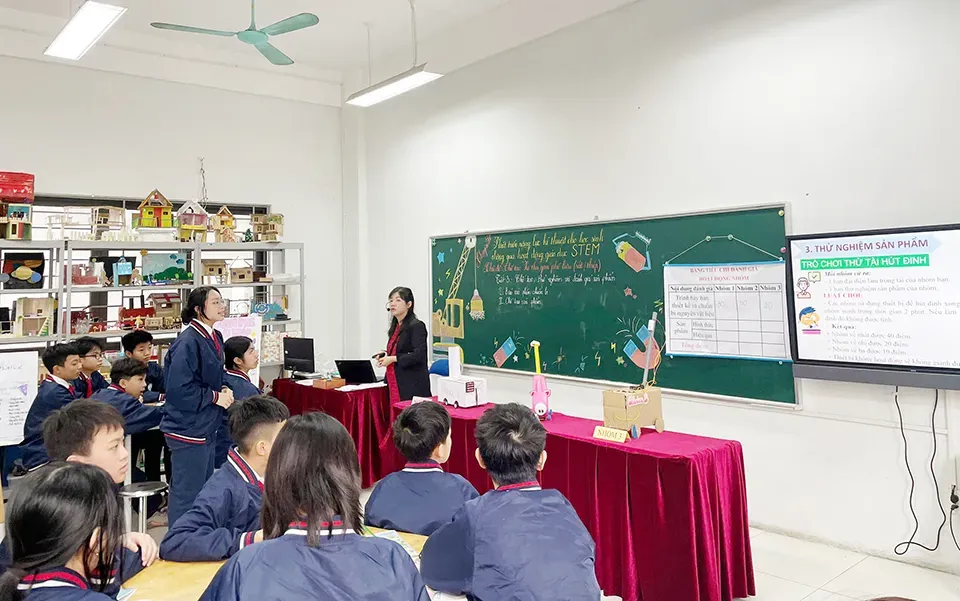
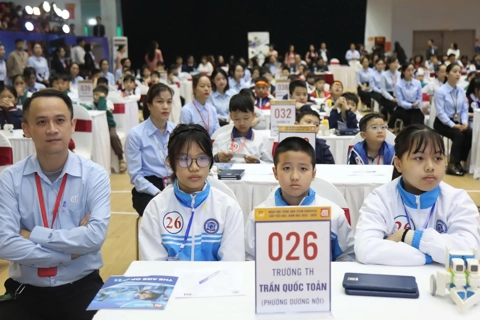
A STEM class at Thuong Cat Lower Secondary School in Hanoi. Photo: Tran Thao/The Hanoi Times
Phuong called for transparent selection criteria, long-term mentor networks, stable funding for disadvantaged regions and stronger cooperation among schools, families, businesses and local authorities.
Teacher Nguyen Thi Nhan said the school identified three key factors for success. First, school leaders need detailed plans to operate STEM classes and equipment.
Second, schools must train teachers, especially younger ones, to use STEM tools and facilities so they can create effective and innovative lessons, she said.
Third, students play a decisive role. She said students respond with strong excitement and creativity once they engage with STEM.
According to Nhan, students train through in-class and online sessions and compete in contests among classes and schools. They learn new strategies and show their abilities through programming and direct competition.
The school has also integrated STEM in daily lessons and organize year-end “STEM experience weeks” so students can deepen hands-on learning.
STEM expert Do Hoang Son from the Vietnam STEM Alliance said students in large cities sometimes lack real-world exposure, while students in rural areas often have richer life experiences that fuel creativity.
He said rural students learn independence early and grow up within strong community culture, giving them unique advantages when engaging in STEM.
Son credited the “STEM Experience Week” model at Cau Giay Secondary School as it provides a strong example for other schools.
He noted that STEM encourages students to innovate, compete and collaborate to produce better results.
Corporate role and policy foundations
Deputy Ha Anh Phuong said the business sector plays a crucial part in national strategies for human resources and innovation.
She called for clear incentives to encourage corporate participation and said Vietnam needs to recognize companies that make meaningful contributions to education.
Phuong urged more transparent public-private cooperation among schools, local governments and companies, and encouraged the integration of STEM into national strategies for energy, technology and key economic sectors.
“This alignment will help Vietnam build a high-quality workforce connected to real market needs and strengthen the country’s innovation ecosystem,” the deputy said.
Phuong also stressed the need to improve STEM teacher quality and provide structured training and support programs.
Expert Do Hoang Son said technology solutions will accelerate STEM education, digital transformation and innovation.
He encouraged schools and teachers to use “virtual robot teachers” to support personalized learning anytime, anywhere.
Son added that STEM festivals, teacher communities and hands-on practice activities act as new forms of mentorship that build student skills and character.
He noted that businesses, including PetroVietnam, with their contributions, make students, especially in rural and mountainous areas, feel more confident and proud.
He said modern, fully equipped STEM rooms give students early access to high-quality learning environments, helping them feel prepared to collaborate with major companies or international peers.