PM outlines key factors for ASEAN’s success in smart era
The Vietnamese Prime Minister stressed that the bloc must enter this new era with ambition and a mindset of "thinking big, acting boldly."
Prime Minister Pham Minh Chinh highlighted six key factors for ASEAN to ensure success in the smart era during a discussion at the World Economic Forum (WEF) in Switzerland.
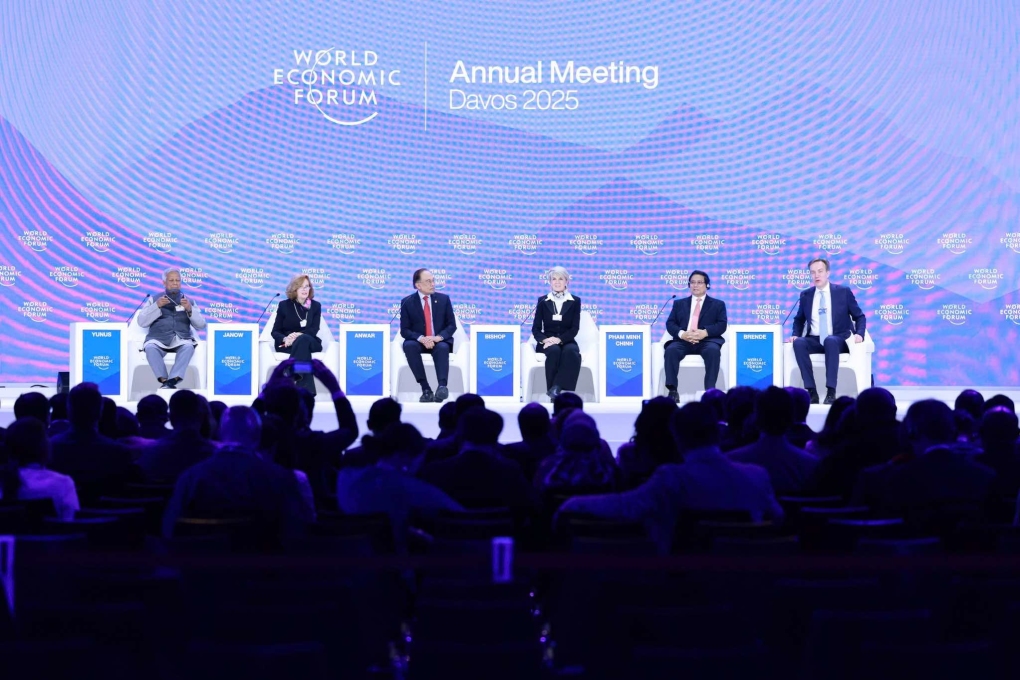
| Prime Minister Pham Minh Chinh at the session. Photos: VNA |
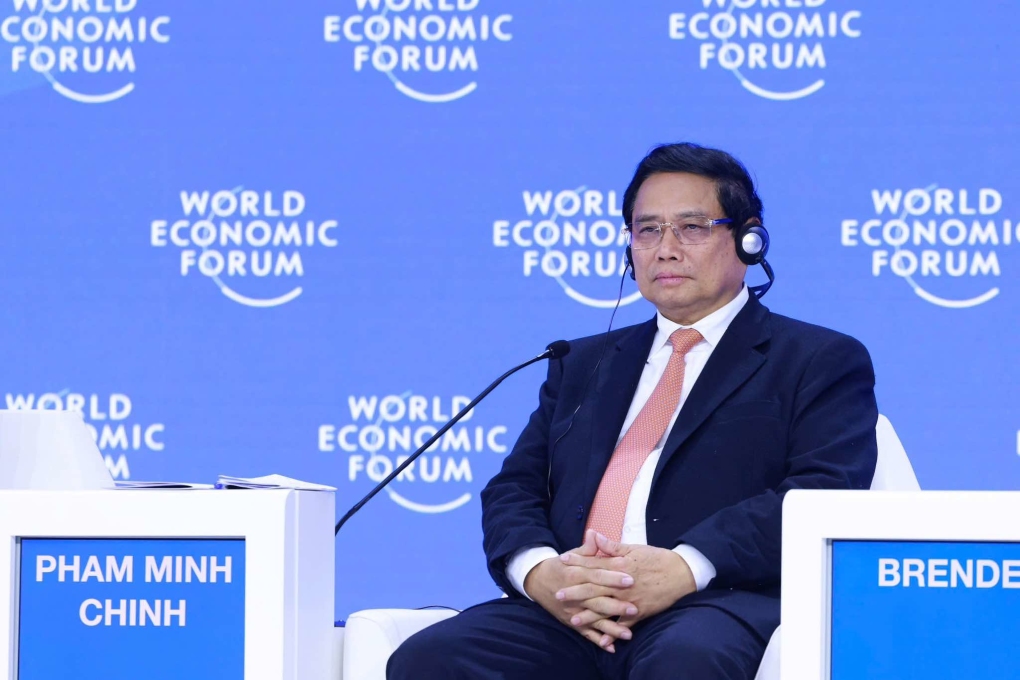
The Prime Minister shared his view during the session "ASEAN: Connected for Greater Growth," moderated by WEF President Borge Brende on January 22.
Speakers at the event highlighted the opportunity for ASEAN to take the lead in the transition to the smart era by tapping into the region’s strong entrepreneurial and innovative spirit, particularly among its younger generation.
Speaking as the leader of ASEAN’s fastest-growing economy, the Vietnamese Prime Minister stressed that the bloc must enter this new era with ambition and a mindset of "thinking big, acting boldly."
He underscored that science, technology, innovation, and digital transformation should serve as the primary drivers of ASEAN’s economic breakthroughs. To succeed, ASEAN must ensure political and security stability, maintain peace, and prevent conflicts, Chinh said.
In addition, Chinh said that the region's economic development must be both rapid and sustainable, while its cultural landscape should balance unity and diversity, fostering a common ASEAN identity while preserving the heritage of individual member states. Environmental sustainability is another critical factor, and responsible resource management is essential for future generations. Social progress must be inclusive, ensuring equity and that no one is left behind. Finally, ASEAN must enhance its regional and global connectivity, deepening cooperation both within the bloc and with international partners.
Chinh reaffirmed Vietnam’s commitment to developing science, technology, innovation, and digital transformation, structured around three strategic priorities: institutional reform, infrastructure development, and human capital investment.
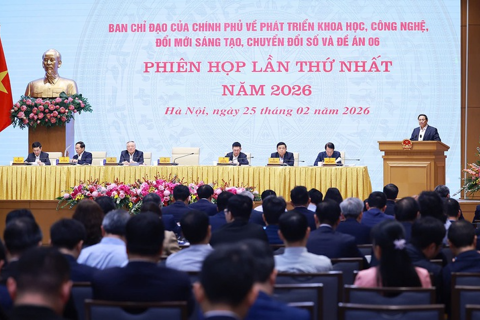
| Overview of the session. |
According to Chinh, Vietnam has issued Resolution 57 to achieve breakthroughs in these areas, alongside a legal framework to support the national innovation ecosystem. The country will also strengthen its digital infrastructure, focusing on big data as a key driver of economic growth. Additionally, Vietnam is preparing a highly skilled workforce, particularly in emerging industries such as green transformation, digital economy, and knowledge-based sectors, leveraging its strengths in mathematics and logical thinking.
The Prime Minister called for greater regional and global collaboration, emphasizing the need for ASEAN to strengthen its internal connections while engaging more effectively with international partners. On the issue of Myanmar, he expressed confidence that ASEAN would play a crucial role in restoring peace, stability, and well-being for its people.
The session also featured Malaysian Prime Minister Anwar Ibrahim, Bangladesh's interim Prime Minister Muhammad Yunus, and UN Special Envoy for Myanmar Julie Bishop. Anwar Ibrahim outlined three key priorities for Malaysia’s ASEAN Chairmanship in 2025, focusing on ensuring energy security through green and alternative energy sources, enhancing ASEAN connectivity by leveraging artificial intelligence and climate change adaptation, and deepening regional integration.
This discussion marked Chinh’s last engagement at the 55th WEF Annual Meeting. Later that evening, he and his spouse left Switzerland, concluding his European diplomatic tour.