

Private sector and digital transformation at the core of 14th National Party Congress
The 14th National Congress of the Communist Party of Vietnam marks a decisive shift toward stronger private-sector empowerment and digital transformation, signaling fresh ambitions to remove growth barriers and position enterprises as central pillars of a self-reliant, sustainable economy.
THE HANOI TIMES — The 14th National Congress of the Communist Party of Vietnam, convenes from January 19 to 25, as local business leaders and experts urge that pledges to support the private sector be swiftly translated into concrete reforms, institutional breakthroughs and accelerated digital transformation to sustain growth.

Hanoi streets are adorned with flags and flowers in celebration of the 14th National Party Congress. Photo: Duy Minh/The Hanoi Times
Pham Dinh Ngai, CEO of Tra Vinh Farm Co., Ltd. (Sokfarm): Sustaining momentum to remove key bottlenecks for private sector growth
As an entrepreneur in Vietnam’s private sector, I am closely monitoring the outcomes of the 14th National Congress of the Communist Party of Vietnam, alongside many peers, with strong expectations for practical policy signals. The Congress is expected to shape Vietnam’s medium and long-term development trajectory, as the economy navigates a complex landscape of opportunities and structural challenges.

Pham Dinh Ngai, CEO of Tra Vinh Farm Co., Ltd. (Sokfarm). Photo: Hanoimoi Newspaper
We hope the Congress will reaffirm the private sector’s role as a key driver of the national economy and translate this into concrete policies and effective implementation. A fair, transparent business environment with healthy competition is essential for long-term investment and growth.
We also expect stronger directions for institutional reform, administrative simplification, and consistent law enforcement. Reducing compliance costs, legal risks, and regulatory overlaps will allow businesses to focus on innovation, productivity, and competitiveness.
The business community is calling for continued efforts to ease bottlenecks in access to capital, land, technology and skilled labor, alongside practical and accessible support for SMEs and startups and greater opportunities for private firms to participate in value chains and national projects.
Amid digital transformation, the green transition and deeper international integration, the business community hopes the Congress will provide clear strategic direction and a supportive legal framework to enable innovation, technology adoption and sustainable growth, strengthening Vietnamese enterprises’ position in global value chains.
To Xuan Thao, Director of the Research Institute of Small and Medium Enterprises: State–private partnership underpins sustainable economic growth
The private and state sectors should be viewed as interconnected pillars of economic growth rather than competing forces. While private enterprises are contributing an increasing share to socio-economic development, the State’s role remains indispensable, particularly in institution-building, policy design and the creation of a stable, enabling business environment that allows all economic actors to thrive.
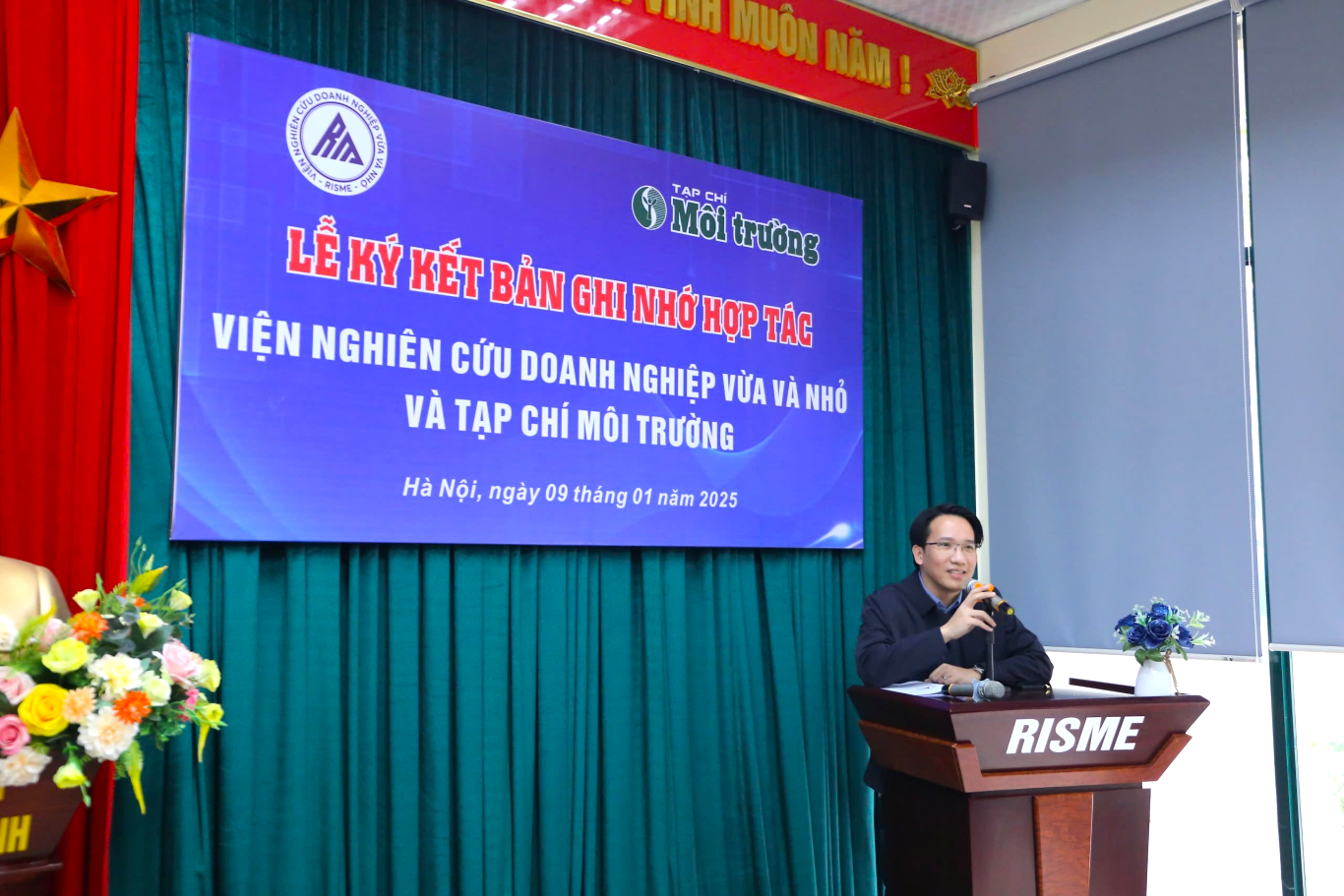
To Xuan Thao, Director of the Research Institute of Small and Medium Enterprises. Photo courtesy of the institute
Ministries, local authorities and civil servants must take the lead in innovation and reform, transforming public administration from a permission-based mindset into one that genuinely serves businesses and citizens.
One of the most notable advances in the draft documents of the 14th National Party Congress is the elevation of the private sector from a growth driver to a firm pillar of an independent and self-reliant economy.
At the same time, Resolution No. 68 candidly recognizes persistent constraints, noting that most private enterprises remain micro, small or medium-sized, with limited financial capacity, management expertise, technological capability and innovation capacity.
Many private enterprises also lack a long-term strategic vision, limiting their ability to scale up and compete effectively.
To unlock private-sector potential in the coming term, consistency in institutional enforcement should be the top priority. Businesses do not seek preferential treatment, but a transparent, stable and predictable business environment in which property rights and the freedom to do business are firmly protected by law.
Only under such conditions will enterprises have the confidence to make long-term investments and upgrade technology.
For small and medium-sized enterprises, support policies need to move beyond broad slogans to practical, hands-on guidance tailored to specific industries, particularly in accessing finance aligned with production cycles. Clear risk-sharing mechanisms between the State and the banking system are also essential to ensure capital reaches businesses that genuinely need it.
Ultimately, the success of the 14th National Congress should be measured not by the number of documents issued, but by the extent to which the business community becomes stronger, more resilient and more confident to invest and grow.
Nguyen Phuong Linh, Director of the Institute for Sustainable Development Management Research: Digital transformation as a foundation for sustainable growth
I see that the documents of the 14th National Party Congress place unprecedented emphasis on digital transformation, elevating it to a core development driver alongside economic, cultural, social, and science-and-technology pillars.

Nguyen Phuong Linh, Director of the Institute for Sustainable Development Management Research. Photo: VOV
Digital transformation in Vietnam continues to face significant challenges, including institutional gaps, limited access to finance, underdeveloped technological infrastructure and, in particular, a shortage of skilled human resources.
Small and medium-sized enterprises, which account for around 97% of domestic firms, face particular difficulties in accessing green finance, advanced technologies and reliable digital data.
Digital transformation is not merely about adopting new technologies; it requires a fundamental shift in business models toward sustainability. The application of artificial intelligence and big data must therefore go hand in hand with technological ethics and social responsibility to ensure inclusive and long-term growth.
In this context, I believe private enterprises need to pursue what I call a dual transformation, combining digitalization with environmental, social, and governance goals. This is essential not only to meet increasingly strict international market requirements, but also to ensure long-term competitiveness and resilience.
One of the biggest bottlenecks today is fragmented data.
I hope the 14th National Party Congress will pave the way for mechanisms that allow private enterprises fair access to public administrative data, while also building digital trust through strong data protection regulations and clear ethical standards for AI.
Equally important is reskilling the workforce, so that no one is left behind in the digital economy. Digital transformation cannot be limited to major cities or large enterprises. It must become an equal opportunity for all economic actors, including SMEs in remote and disadvantaged areas.
![[Photos] Memorable moments from 14th Party Congress preparatory session](https://cdn-media.hanoitimes.vn/resources2025/1/users/60/2-1768801218.jpg?w=480&h=320&q=100)









