Proper disposal of medical waste can help us cope with pandemics
Medical waste disposal is a key part of pandemic planning and recovery that we must get right during the Covid-19 outbreak.
With Covid-19 spreading around the world, governments in several countries are focused on the question of how to improve medical waste disposal. The subject of medical incinerators at hospitals is a key part of the discussion.
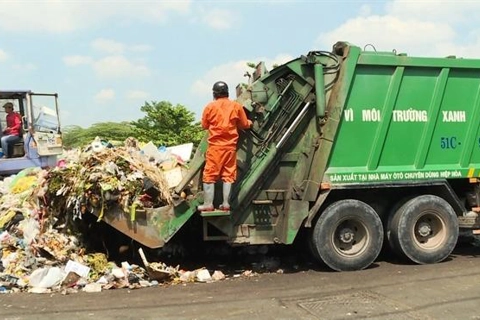
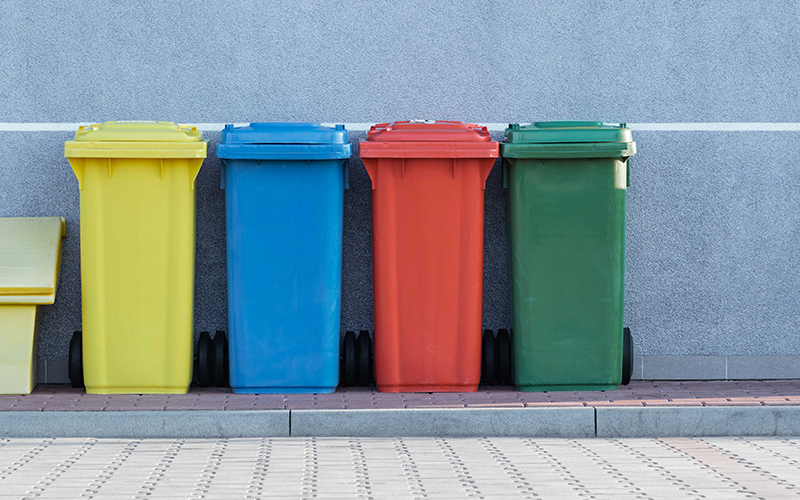
| In many Asian countries, hazardous medical waste is comingled with municipal solid waste, which creates far-reaching problems. Photo by Pawel Czerwinski |
Medical waste is one of the most dangerous forms of waste, especially if it is untreated before disposal. Medical waste facilities process many types of waste from hospitals including consumable items such as used gloves, protective gear and of course biological waste. These items are often light, but bulky.
There is a great deal of material which cannot go to landfills or standard municipal waste to energy plants because they require much higher temperatures and more time to destroy pathogens which may have contaminated the materials. Additionally, the heroic medical and healthcare staff who are at the front lines to contain the Covid-19 pandemic should be shielded from exposure to infectious healthcare waste through proper medical waste systems.
However, many Asian developing countries lack proper facilities and regulations for the handling and disposal of medical and hazardous waste. Hazardous waste is often openly burned, comingled with municipal solid waste, illegally recycled and resold, posing significant threat to both the health of the handler and the environment.
When medical waste is treated, it is often in old and inadequate facilities with limited capacity and safeguards. Such outdated facilities should be modernized to avoid the emission of toxic gases and generate clean energy from waste. Most developing countries in Asia do not have the capacity to modernize their systems by rolling out mobile medical waste treatment facilities.
There is a need for modernization of medical waste capacity regionally. This can be achieved through a strategy for the introduction and commercial deployment of new technologies across the waste value chain:
Here are five ways to improve medical waste disposal across the region:
1. Technology Identification. The World Health Organization has issued guidelines on appropriate medical waste disposal technology. Bringing this technology to where it is needed, supporting the implementation, building the capacity of regulators, and supporting sustainable medical waste systems and private sector operators is part of the work of ADB. Increasing the capacity to manage sanitation and prevent transmission of pathogens is critical to recovering from Covid-19 and future outbreaks.
2. Deployment. The technology choices available commercially now can be used to upgrade or augment existing medical waste treatment facilities. In locations where there are no facilities, new technologies can be piloted. These locations should have a functioning unit nearby to ensure continuity of service. With a changed mindset, we can create distributed capacity to handle waste and be flexible about what waste needs to destroyed on site.
3. Rural strategy. For smaller towns in rural locations, there is a need for medical, hazardous, non-recyclable municipal and contaminated agricultural waste destruction. Shipping waste to centralized locations is often not possible. In small island and developing island states, shipping is expensive and requires compliance to The Basel Convention, an international agreement on the transnational movement of waste which prevents transfer of hazardous waste from developed to less developed countries.
4. Waste Disposal. The residues from the medical waste incineration process are considered hazardous waste. Fine ash scrubbed from the exhaust flue gases by air pollution control systems requires careful handling as it can contain toxic materials. Disposal in a hazardous waste landfill is the current practice. This solution is not ideal in the long term. A more expensive process converts the ash into ceramic form in a process called vitrification. Facilities to vitrify materials are commercially available in a few countries such as Japan and France. Shipping this hazardous waste is complex and expensive.
5. Seeking Innovation. Plasma gasification is well suited to the destruction of medical and hazardous waste. These include the residues of existing medical waste incinerators. The ash and pollution control residues from medical waste can be mixed with more energy dense fuels. Plasma gasification then reduces these materials to an inert ceramic slag on site. Energy can be produced, air pollution substantially mitigated, and transport risks reduced. Perhaps it is time to push for plasma gasification as the missing piece in the sanitation supply chain.
Resilient sanitation for medical waste can be achieved with some reframing of the current medical waste supply chain. The firms currently providing many of these services can be tapped to implement these newer technologies in their local markets. Resource-constrained developing countries can leverage the private sector to efficiently manage the medical waste supply chain with the latest technologies and systems.
Proper disposal of medical waste through resilient sanitation systems is a key part of pandemic planning and recovery. If we can get it right during Covid-19, the fallout from the next outbreak will be much easier to manage.
* Stephen Peters is a Senior Energy Specialist (Waste-to-Energy) in the Energy Sector Group of the Sustainable Development and Climate Change Department, Asian Development Bank.
** Christine P. Chan leads the origination, structuring and execution of sustainable infrastructure investments within ADB’s Private Sector Operations Department, Infrastructure Finance 2 Division.