14TH NATIONAL CONGRESS OF THE COMMUNIST PARTY OF VIETNAM
Log in
Hanoi

Hanoi to turn most waste into energy in 2021

Waste-to-energy technology is a feasible solution for the solid waste problem in Vietnam's major cities, especially Hanoi and Ho Chi Minh City.

By the first quarter of 2021, Hanoi city's waste will be mainly treated with waste-to-energy technology, the Government Portal quoted Chairman of the municipal People's Committee Nguyen Duc Chung as saying.

Chung said that so far three investors have been authorized to invest in waste treatment. Besides, the construction of waste-to-energy treatment plant in Soc Son district has been 30% completed and the facility is expected to undergo trial run by the end of August and be fully operational in October 2020, Chung informed.


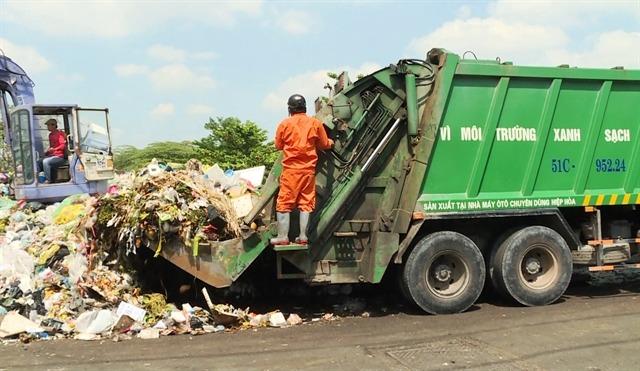
An environment worker sorts through used plastic bottles at a junkyard in Hanoi. Photo: Internet

Waste-to-energy technology is a feasible solution for the solid waste problem in Vietnam's major cities, especially Hanoi and Ho Chi Minh City, Luu Duc Cuong, director general of the Vietnam Institute for Urban and Rural Planning told local media. The application of the technology can reduce the volume of waste buried in landfills, Cuong said.

He added that landfills have become unsustainable as they lead to leakage of hazardous elements and wastewater into the environment.

Besides, incineration should not be contemplated as a waste solution as it requires substantial use of energy such as fuel and coal, and emits significant pollutants when unsorted mass waste are burned.

Mass incineration limits the possibilities of beneficially reusing and recycling waste. Over the long-term, it is not a sustainable solution as well as environmentally and economically impractical, the experts explained.

Hanoi will build the Nam Thang Long – Tran Hung Dao urban railway with ODA

Besides the issue of waste treatment, the Hanoi mayor said the city’s government will make effort to complete a smart traffic operation center by June 2020 to provide its residents with information about daily traffic.

The Hanoi People's Council on December 4 approved the use of ODA and concessional loans from foreign sources to build the urban railway No.2, section of Nam Thang Long – Tran Hung Dao.

This is an important project in the urban railway network in Hanoi’s transport planning until 2030, with a vision to 2050, contributing to connecting urban areas and reducing congestion in the city. The project has been included in the city’s list of key works in the 2016-2020 period.

The total investment of the project is expected to amount to VND35,679 billion (US$1.53 billion). However, the local government said the city's debt will stay within safe limits.


Reactions:
Share:
Trending
Most Viewed
Related news
Hanoi health sector targets digital leap under new Party resolution

Hanoi health sector targets digital leap under new Party resolution

Hanoi sets 2026 as a breakthrough year for healthcare reform, accelerating digital transformation, restructuring hospital networks and tightening food safety management under Politburo Resolution 72.

Hanoi launches state-backed innovation hub to drive digital economy

Hanoi launches state-backed innovation hub to drive digital economy

The new innovation center is designed to connect policy, technology and talent, aiming to accelerate digital transformation, support startups and position the capital as a global testing hub for emerging technologies and creative industries.

ASEAN youth showcase climate innovations at Hanoi exhibition

ASEAN youth showcase climate innovations at Hanoi exhibition

Young innovators from Vietnam and across ASEAN presented practical climate solutions in Hanoi, highlighting grassroots initiatives tackling plastic waste, renewable energy and sustainable livelihoods.

Hanoi issues action plan to implement 14th Party Congress resolution

Hanoi issues action plan to implement 14th Party Congress resolution

The goal is to turn policies into outcomes under the principle of “less talk, more action, effective results to the end, all for the capital and its people.”

ASEAN youth chart next phase of climate action in Hanoi

ASEAN youth chart next phase of climate action in Hanoi

Home to more than 680 million people, many in vulnerable coastal and low-lying areas, ASEAN is on the front line of climate change, facing rising seas, fiercer storms, prolonged droughts and accelerating biodiversity loss that endanger the region’s economic resilience and social stability.

Hanoi launches sweeping overhaul to unlock state economy growth

Hanoi launches sweeping overhaul to unlock state economy growth

Hanoi has unveiled an ambitious five-year plan to reform governance, mobilize public assets and restructure state enterprises, aiming to turn the state economy into a powerful engine of sustainable growth.

Hanoi puts people first in implementing four strategic Party resolutions

Hanoi puts people first in implementing four strategic Party resolutions

Hanoi launches comprehensive action plans to implement Politburo Resolutions 71, 72, 79 and 80, prioritizing people-centered reforms in education, healthcare, culture and state economic development.

Vietnamese families blend Tet travel trends with enduring traditions

Vietnamese families blend Tet travel trends with enduring traditions

More young Vietnamese families choose travel over staying home during the Lunar New Year holiday, seeking fresh experiences while keeping core traditions intact.