Business
SBV's forex policy must adjust to account for all industries' needs
The State Bank of Viet Nam (SBV)`s foreign exchange policy will be based on macroeconomic management and harmonised with the benefits of all industries and sectors, and not exports alone.
This statement was made by the Deputy Director of SBV's Credit Department, Vo Minh Tuan.
The central bank's foreign exchange (forex) adjustment is based on three factors: current balance, capital balance and the national monetary policy's management orientation, Tuan said, adding that SBV's Department of Monetary Policy and Foreign Exchange Management were closely watching the market in order to determine the most suitable measures that can be adopted.
Tuan made the statement at a recent meeting where many agricultural, forestry and fishery exporters and associations revealed they were facing major difficulties due to the appreciation of the Vietnamese dong against the US dollar, while the greenback had also appreciated sharply against the Euro and the Yen in the world market.
Representatives from the Vietnam Association of Seafood Exporters and Producers said seafood exports during the first quarter (Q1) of this year dropped nearly 23 per cent, the steepest decline seen in the past five years. The drop was evident in the three main markets of the United States (down 44 per cent), the European Union (EU) (down 11 per cent) and Japan (down 15 per cent).
Besides the US anti-dumping tax imposed on Vietnamese seafood, the representatives also attributed the sharp drop to the appreciation of the dong against the dollar in the local market.
Vietnamese seafood exports to the EU and Japan declined sharply because the Euro and the Yen had been devalued against the dollar, while Vietnamese export payments were made in the dollar, they said.
Also, SBV's policy of keeping the dong stable, while currencies of other exporting countries, such as India, Indonesia and Thailand were devalued had caused Vietnamese export products to become more expensive than those countries', they said.
The Chairman of the Vietnam Wood and Forestry Association, Nguyen Ton Quyen, said exports of wood and forestry products during Q1 this year had also slipped by more than 6 per cent though the exports in the previous years had been strong.
Besides the low demand for wood and forestry products in the world market and the devaluation of the Euro against the US dollar, Quyen also attributed the decrease to Vietnam's stable forex policy at present.
Admitting that the appreciation of the dollar in the global market and the stability of the dollar-dong rate in the domestic market would result in Vietnamese products becoming less competitive than other countries', Tuan said imports would also have to bear the negative impact and the national public debt would also increase if a devaluation of the dong against the dollar was announced.
He said that keeping the exchange rate unchanged at the moment was more beneficial than devaluing the dong, because 90 per cent of the raw materials for Vietnam's exports were purchased abroad.
Therefore, an increase in the value of the US dollar would hurt exporters since input costs would also escalate, especially as demand for imported materials was rising, he explained.
The central bank recently confirmed that the forex rate would be adjusted by no more than 2 per cent this year as per a pledge made by SBV Governor Nguyen Van Binh in December last year.
In January, SBV had devalued the dong by 1 per cent from VND21,246 to VND21,458 per US dollar, the first exchange rate adjustment since June 2013.
The central bank's foreign exchange (forex) adjustment is based on three factors: current balance, capital balance and the national monetary policy's management orientation, Tuan said, adding that SBV's Department of Monetary Policy and Foreign Exchange Management were closely watching the market in order to determine the most suitable measures that can be adopted.
Tuan made the statement at a recent meeting where many agricultural, forestry and fishery exporters and associations revealed they were facing major difficulties due to the appreciation of the Vietnamese dong against the US dollar, while the greenback had also appreciated sharply against the Euro and the Yen in the world market.

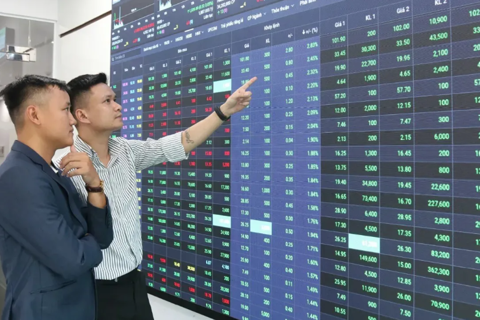
Illustrative image
|
Besides the US anti-dumping tax imposed on Vietnamese seafood, the representatives also attributed the sharp drop to the appreciation of the dong against the dollar in the local market.
Vietnamese seafood exports to the EU and Japan declined sharply because the Euro and the Yen had been devalued against the dollar, while Vietnamese export payments were made in the dollar, they said.
Also, SBV's policy of keeping the dong stable, while currencies of other exporting countries, such as India, Indonesia and Thailand were devalued had caused Vietnamese export products to become more expensive than those countries', they said.
The Chairman of the Vietnam Wood and Forestry Association, Nguyen Ton Quyen, said exports of wood and forestry products during Q1 this year had also slipped by more than 6 per cent though the exports in the previous years had been strong.
Besides the low demand for wood and forestry products in the world market and the devaluation of the Euro against the US dollar, Quyen also attributed the decrease to Vietnam's stable forex policy at present.
Admitting that the appreciation of the dollar in the global market and the stability of the dollar-dong rate in the domestic market would result in Vietnamese products becoming less competitive than other countries', Tuan said imports would also have to bear the negative impact and the national public debt would also increase if a devaluation of the dong against the dollar was announced.
He said that keeping the exchange rate unchanged at the moment was more beneficial than devaluing the dong, because 90 per cent of the raw materials for Vietnam's exports were purchased abroad.
Therefore, an increase in the value of the US dollar would hurt exporters since input costs would also escalate, especially as demand for imported materials was rising, he explained.
The central bank recently confirmed that the forex rate would be adjusted by no more than 2 per cent this year as per a pledge made by SBV Governor Nguyen Van Binh in December last year.
In January, SBV had devalued the dong by 1 per cent from VND21,246 to VND21,458 per US dollar, the first exchange rate adjustment since June 2013.