Vietnam Gov't targets GDP growth up to 8.5% this year
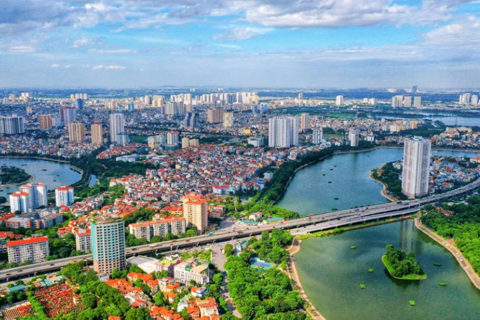
Hanoi, being one of the country's key growth engines, is encouraged to achieve an 8.5% GDP growth rate this year.
THE HANOI TIMES — The Vietnamese Government aims for the economy to grow by around 8.3% to 8.5% this year, which will lay the groundwork for achieving double-digit growth during the 2026–2030 period.
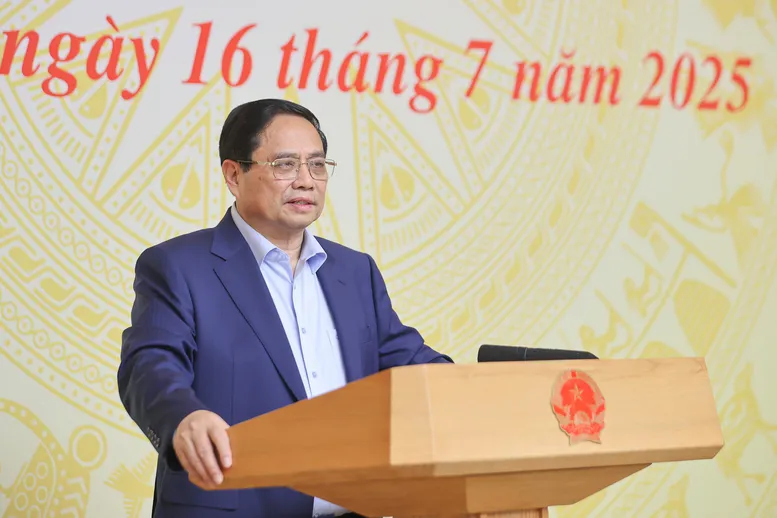
Prime Minister Pham Minh Chinh at the meeting. Photos: VGP
Prime Minister Pham Minh Chinh announced this target during an online conference with local authorities on July 16.
The conference focused on economic growth scenarios and measures to reach a GDP growth rate of at least 8%.
"To reach this goal, we must identify the key drivers of growth and determine what needs to be done," Chinh said, adding that ministries, agencies, corporations, and all sectors of the economy must make strong, concerted efforts.
In the first half of 2025, Vietnam’s GDP grew by 7.52%, the highest rate for the same period since 2011. According to Finance Minister Nguyen Van Thang, the Ministry of Finance has developed two scenarios for the rest of the year.
Under the first scenario, GDP growth for the full year would reach 8%. This would require third-quarter growth of 8.3% and fourth-quarter growth of 8.5%, which is slightly higher than previous projections by 0.1 percentage points. In this case, the total size of the economy would exceed US$508 billion, with per capita GDP surpassing $5,000.
The second scenario projects an annual GDP growth rate between 8.3% and 8.5%. This would require third-quarter growth of between 8.9% and 9.2% and fourth-quarter growth of between 9.1% and 9.5%. These figures are 0.6 to 0.9 and 0.7 to 1.1 percentage points higher than previous estimates, respectively. The overall size of the economy would exceed US$510 billion, with per capita GDP estimated at over US$5,020.
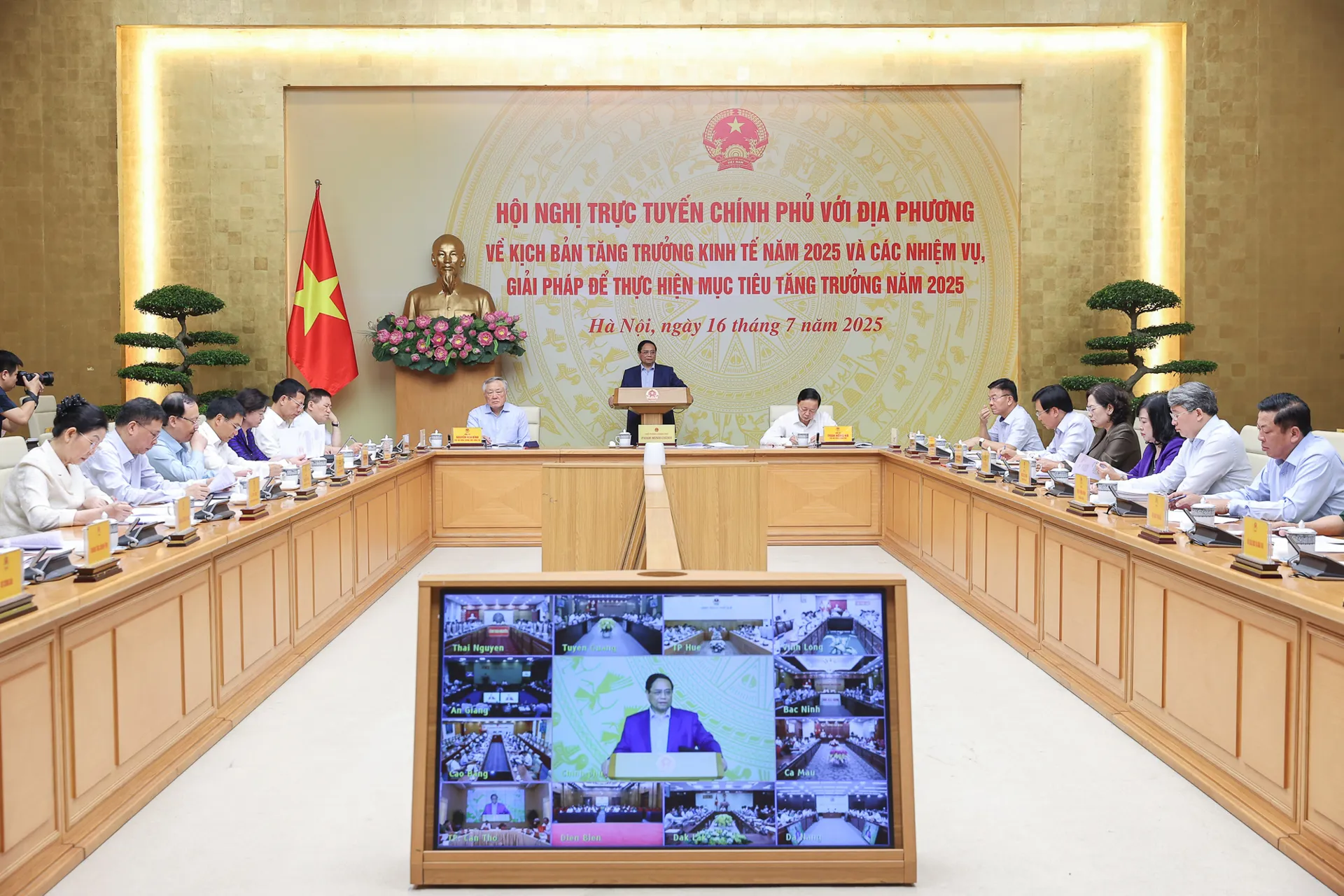
Overview of the government meeting.
Based on these two scenarios, the Ministry of Finance is also preparing growth projections for individual provinces, cities, state-owned enterprises, and large corporations.
“These projections depend heavily on the effective implementation of policies and solutions, especially in mobilizing and allocating resources for growth,” Minister Thang stated.
To meet the higher growth target of 8.3% to 8.5%, the ministry suggests localities raise their growth targets beyond initial plans.
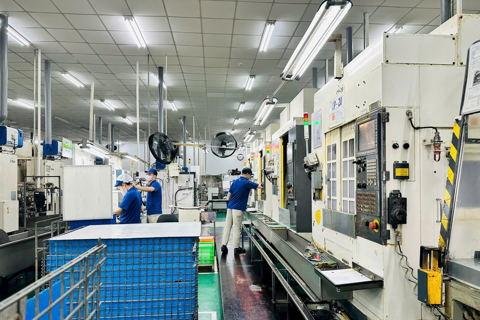
Key growth drivers, such as Hanoi and Ho Chi Minh City, should aim for 8.5% growth. Meanwhile, Quang Ninh targets 12.5%, and Thai Nguyen 8%. These figures are between 0.4 and 1 percentage points higher than the original projections. Likewise, state-owned corporations and enterprises are expected to exceed their annual growth targets by about 0.5 percentage points.
Looking ahead to 2026, the ministry recommends continuing to review sectoral and regional growth targets to ensure national GDP growth reaches at least 10%.
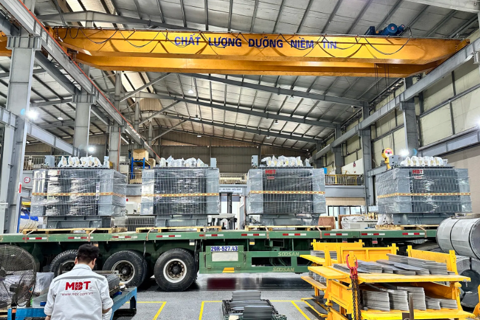
To support these goals, the Ministry of Finance has proposed several solutions. Notably, the government plans to increase investment and mobilize around US$111 billion in total social investment in the second half of 2025, roughly US$3 billion more than previously planned.
Public investment disbursement in the second half of the year is projected at around US$28 billion. All agencies must fully disburse their allocated annual investment capital, which includes approximately VND152.7 trillion (US$5.8billion) in supplemental funds from 2024's revenue surpluses and budget savings.
Private sector investment is expected to reach about US$60 billion, which is US$3 billion more than earlier estimates.
Meanwhile, foreign direct investment (FDI) inflows are projected at US$18.5 billion, with actual FDI disbursements at around US$16 billion. Other investment sources are expected to total approximately US$7 billion.
If needed, the State Bank of Vietnam may adjust the 2025 credit growth target of 16% to ensure adequate credit flows to priority sectors and projects. The banking sector plans to implement two major lending programs: a VND500 trillion (US$19.1 billion) package for infrastructure and digital technology investments and a special credit line for home purchases by individuals under 35 years old.
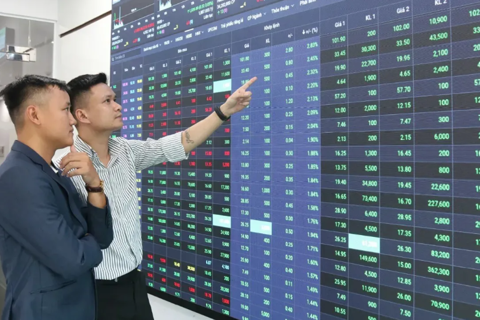
Minister Thang underlined the importance of promoting domestic consumption, expanding exports, and fostering trade relations with international partners to support sustainable growth and stimulate new drivers of economic expansion.