Vietnam weighs shorter workweek as productivity and worker health collide
A possible reduction in private-sector working hours as the Labor Code is under review, sparking debate among experts, unions, workers and businesses over how to balance occupational health and productivity with business competitiveness in the next stage of economic development.
THE HANOI TIMES — Vietnam may be inching closer to a shorter workweek as the debate intensifies over reducing private-sector working hours from 48 to 40 per week, forcing policymakers to balance worker well-being with productivity and business competitiveness.

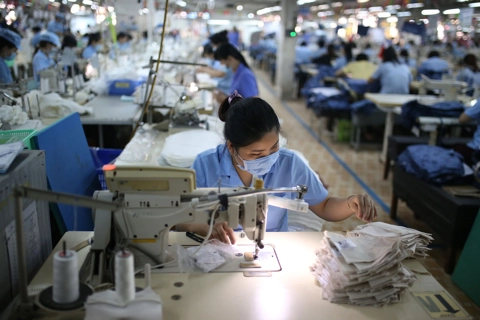
Reducing working hours is a global trend but specialists argue that Vietnam’s current conditions are not yet suitable. Photo: ILO Vietnam
Le Van Trinh, Chairman of the Vietnam Association of Occupational Safety and Health Science and Technology, urged the government to adopt a clear and legally binding roadmap instead of treating shorter working hours as a voluntary target.
He said such reform is essential to protecting workers’ health, especially in labor-intensive industries.
Although current regulations encourage a 40-hour workweek, most private-sector enterprises still operate on a 48-hour schedule, making long working hours the norm rather than the exception, Trinh noted.
Surveys in industrial zones show that many workers accept long hours to maintain income, often at the expense of their health, family life and recovery time. In labor-intensive sectors, prolonged overtime remains a major source of occupational risk.
"Overtime continues to be one of the most sensitive issues in labor relations. While the law defines overtime as voluntary, many workers feel they have little choice if they want to keep their jobs or earn enough to cover basic living costs," Trinh said.
During peak production periods, especially toward the end of the year, enterprises often require workers to work overtime continuously for weeks, leading to prolonged exhaustion and higher risks of workplace accidents and labor disputes.
Trinh cited earlier research by the Institute of Labor Science and Social Affairs showing that in labor-intensive industries, workplace accidents occur more frequently toward the end of shifts or during overtime peaks, when workers are tired and less focused.
Workers who regularly log 40 to 50 hours of overtime per month report higher rates of chronic fatigue, headaches and reduced concentration. These conditions increase the likelihood of accidents caused by operational errors and safety violations.
Beyond working hours, Trinh stressed that the right to rest must exist in reality, not just in regulations.
He called for stricter inspections of rest breaks, annual leave and clearer rules on recovery time between shifts to prevent accidents and long-term health damage.
“Working time and rest time are basic labor rights, not employee benefits,” he said at a conference reviewing five years of the 2019 Labor Code.
From the trade union perspective, Nguyen Huy Khanh, Vice Chairman of the Hanoi Confederation of Labor, proposed revising minimum hourly wage regulations.
He said that if the state promotes a 40-hour workweek, monthly working time would fall to 160 hours. Authorities could then calculate the minimum hourly wage by dividing the monthly minimum wage by 160 hours, ensuring fair pay based on productivity and work quality.
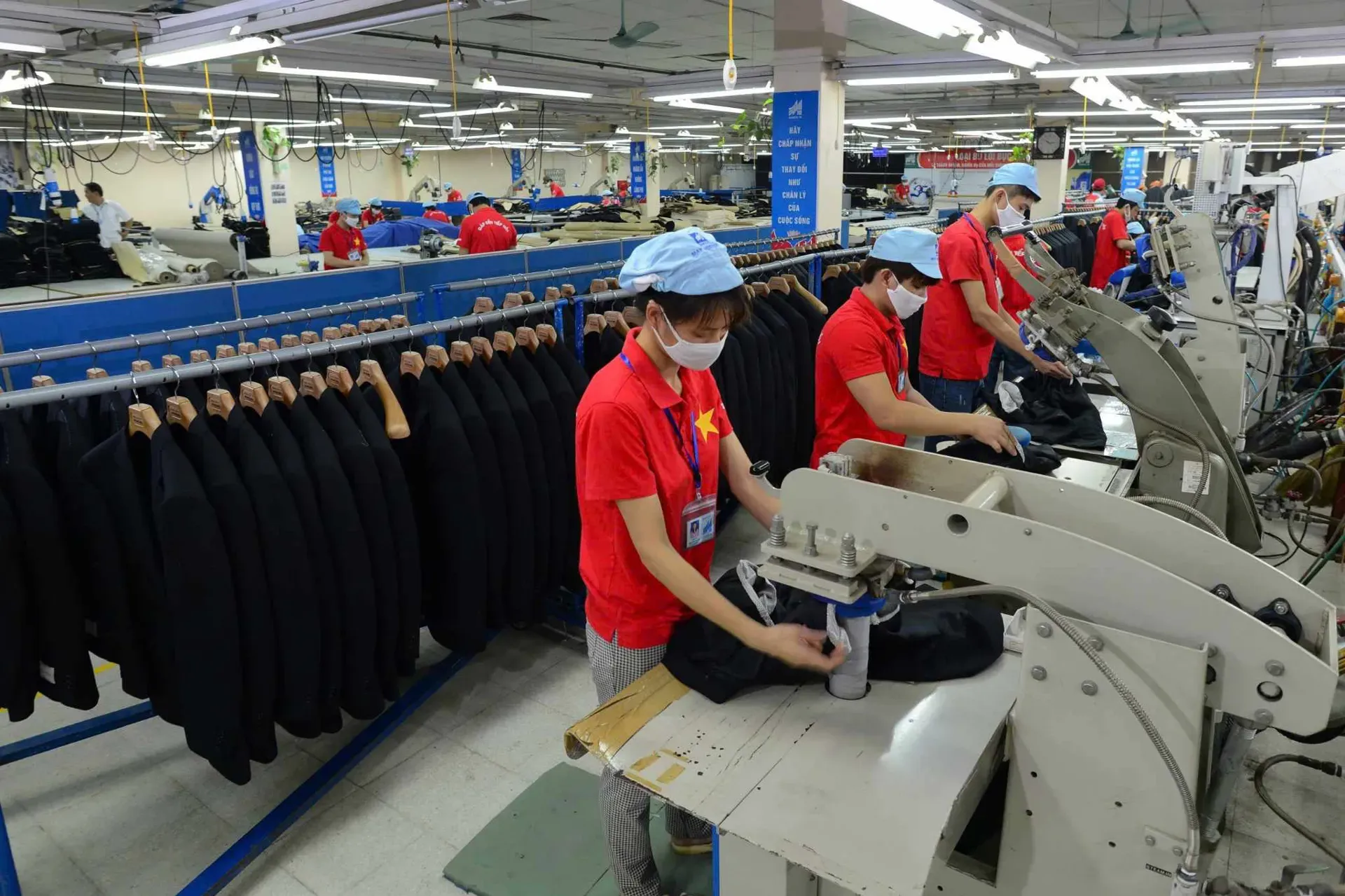
Workers at a May 10 factory. Photo: Khac Kien/The Hanoi Times
For many workers, the debate carries immediate consequences.
Nguyen Van Ngoc, a factory worker in Ho Chi Minh City, said his working day can stretch to 16 hours during peak periods.
“I work 12 hours a day, sometimes up to 16. By the time I get home, my children are already asleep,” he said, adding that he hopes for policies that allow private-sector workers more time to rest and recover.
Yet Ngoc also fears income losses. Despite working extremely long hours, he has struggled to save money.
He worries that shorter working hours could reduce output and prompt enterprises to cut wages, leaving workers financially worse off.
Tran Thi Yen, a factory worker in Ninh Binh Province, said her income depends heavily on overtime and any reduction in working hours would sharply cut earnings and threaten her livelihood.
She earns about VND6.5 million (US$247) per month for an eight-hour workday with allowances. If weekly hours fall by four without a rise in base pay, her income would drop to about VND6 million ($228).
Yen currently works an additional 2.5 hours of overtime per day, paid at 150% of normal wages and receives an evening meal from her employer.
With regular overtime, her monthly income reaches nearly VND10 million ($380). For this reason, she and many workers prefer overtime despite the physical strain.
She suggested reducing the number of working days instead of daily hours, proposing at least one and a half days off per week for private-sector workers to protect income while allowing recovery.
Employers, especially in manufacturing, share these concerns.
Nguyen Xuan Duong, Vice Chairman of the Vietnam Textile and Apparel Association, said the industry already faces intense pressure.
From 2026, enterprises must absorb higher regional minimum wages and additional public holidays. He warned that cutting working hours would further complicate production planning in an industry marked by uneven order cycles.
Textile and garment producers often face sharp production peaks toward the end of the year, Duong said.
“If standard working hours fall, companies will rely more on overtime, driving up labor costs while remaining constrained by legal overtime limits,” he said.
“Late deliveries could cause serious losses and damage relationships with international buyers.”
Cao Huu Hieu, General Director of the Vietnam National Textile and Garment Group, echoed this concern, noting that labor productivity in Vietnam remains relatively low.
“Wages have increased faster than productivity. Further reductions in working hours would threaten the survival of many enterprises,” he said, warning that poorly designed policies could reduce employment opportunities.
2030 seen as a more realistic timeline
Former Deputy Minister of Labor, Invalids and Social Affairs Pham Minh Huan said reducing working hours is a global trend, but Vietnam’s current conditions remain challenging.
While the public sector already follows a 40-hour workweek, the private sector continues to drive job creation and economic growth.
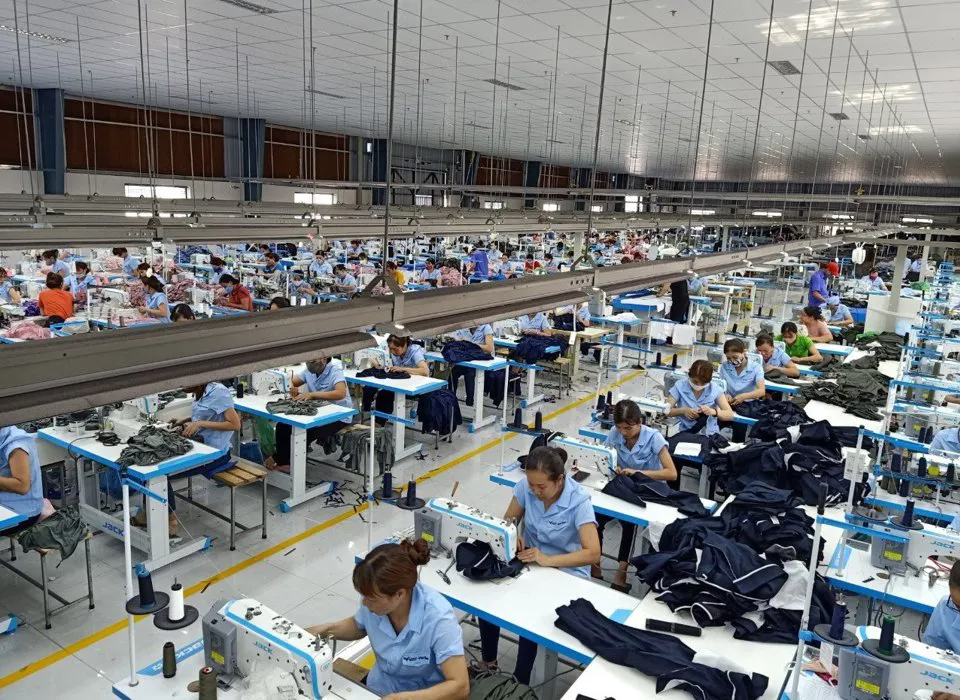
A production plant operated by M2 Vietnam JSC. Photo: Khac Kien/The Hanoi Times
He also noted that additional public holidays already strain enterprises, as employers must continue paying wages even when production halts.
Without corresponding productivity gains, rising labor costs could erode the competitiveness of Vietnamese businesses, he warned.
Labor expert Pham Thi Thu Lan, former Deputy Director of the Institute of Workers and Trade Unions, offered a longer-term view.
She said shorter working hours remain inevitable as Vietnam shifts from a growth model based on labor quantity to one driven by quality and productivity.
International comparisons show Vietnam still ranks among countries with longer working hours, while many economies apply fewer than 48 hours per week in the private sector.
However, Lan cautioned that reducing working hours would force enterprises to reorganize production, invest in technology, improve management and upgrade workforce skills, all of which raise costs in the short term.
To limit negative impacts, policymakers must carefully assess weekly hour thresholds, implementation roadmaps and supporting policies for skills development, especially for high-quality human resources, she said.
The debate over working hours reflects a deeper challenge in Vietnam’s development path: balancing economic competitiveness with worker well-being.
While the desire to work less and earn more is universal, progress toward that goal depends on productivity growth, technological upgrading and thoughtful policy design.