Business
Vietnam’s attractive beer market in investors’ eyes
The young, hops-happy economy is alluring for big brewers like Asahi and Anheuser-Busch InBev.
Traditional markets are as dull as a flat pint. But entrenched interests, tech-like multiples and the mixed experiences of early entrants should caution them to enjoy responsibly. Vietnam's fastest growing economy also happens to be one of the last large beer markets to privatise. The country's brew-friendly culture stands out in comparison with emerging Asian nations such as India and Indonesia. In Hanoi, street-side bia hoi is common as coffee.
This ticks a lot of boxes for suitors, as the government prepares to sell a majority stake in Sabeco, the market's largest player worth more than US$9 billion. Habeco , the Hanoi rival, should follow. But brewers may wish to wait before clinking glasses.
The opportunity is not news to Big Beer. Heineken has a 5 per cent stake in Sabeco, also known as Saigon Beer Alcohol Beverage Corp, and Carlsberg has a 17 per cent share in Habeco. Both have struggled to win more control and squeeze out rivals. For Heineken, Vietnam is its second most profitable market, but that is thanks to sales of Tiger lager and other brands.
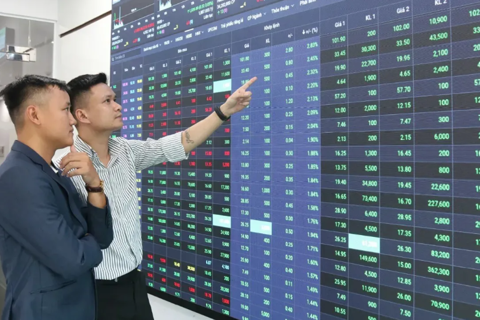
One problem has been delay. The fiscal structure discourages officials from fast-tracking divestment of a tax-paying cash cow. But the bigger issue is price. A phased process has driven up shares in Sabeco so they are trading at three times its December 2016 listing price. It now trades at a gobsmacking 43 times forward earnings.
Multinationals are certainly thirsty for growth. Asian players such as Thai Beverage and big Japanese brewers face flattening demand at home. This may explain why Asahi paid AB InBev top dollar for a batch of eastern European labels last year: almost 15 times Ebitda (earnings before interest, taxes, depreciation and amortisation), higher than the 12 to 14 times norm. The prospect of rivals stepping in is worrying for Heineken and Carlsberg. Either could risk splashing cash to keep competitors out. But Sabeco's enterprise value is now 38 times Ebitda, according to Eikon data. That's a big bet on uninterrupted growth.
Vietnam said on Nov 29 that it would start the sale of a majority stake in state-owned Saigon Beer Alcohol Beverage Corp, commonly known as Sabeco, which is the country's biggest brewer. The sale is set for Dec 18.
Foreign firms including Japan's Asahi Group Holding, Belgium's Anheuser-Busch InBev and San Miguel Corp of the Philippines have shown interest in the brewer since it was earmarked for privatisation. Heineken holds a 5 per cent stake.
Shares in Sabeco have tripled since its listing a year ago and closed on Nov 30 at 329,000 dong each. The minimum sale price has been set at 320,000 dong per share. The Vietnamese government has capped total foreign ownership at 49 per cent.
Saigon Beer Alcohol Beverage Corp (Sabeco) is Vietnam's leading beer producer. It is owned and under the authority of Vietnam's Ministry of Trade and Industry. In 2011, Sabeco produced 1.2 billion liters of beer, 51.4% of the national market. Its main brands are Saigon Beer and 333 Beer. Sabeco has several regional subsidiaries throughout Vietnam.
Vietnam's fastest growing economy also happens to be one of the last large beer markets to privatise
|
The opportunity is not news to Big Beer. Heineken has a 5 per cent stake in Sabeco, also known as Saigon Beer Alcohol Beverage Corp, and Carlsberg has a 17 per cent share in Habeco. Both have struggled to win more control and squeeze out rivals. For Heineken, Vietnam is its second most profitable market, but that is thanks to sales of Tiger lager and other brands.
One problem has been delay. The fiscal structure discourages officials from fast-tracking divestment of a tax-paying cash cow. But the bigger issue is price. A phased process has driven up shares in Sabeco so they are trading at three times its December 2016 listing price. It now trades at a gobsmacking 43 times forward earnings.
Multinationals are certainly thirsty for growth. Asian players such as Thai Beverage and big Japanese brewers face flattening demand at home. This may explain why Asahi paid AB InBev top dollar for a batch of eastern European labels last year: almost 15 times Ebitda (earnings before interest, taxes, depreciation and amortisation), higher than the 12 to 14 times norm. The prospect of rivals stepping in is worrying for Heineken and Carlsberg. Either could risk splashing cash to keep competitors out. But Sabeco's enterprise value is now 38 times Ebitda, according to Eikon data. That's a big bet on uninterrupted growth.
Vietnam said on Nov 29 that it would start the sale of a majority stake in state-owned Saigon Beer Alcohol Beverage Corp, commonly known as Sabeco, which is the country's biggest brewer. The sale is set for Dec 18.
Foreign firms including Japan's Asahi Group Holding, Belgium's Anheuser-Busch InBev and San Miguel Corp of the Philippines have shown interest in the brewer since it was earmarked for privatisation. Heineken holds a 5 per cent stake.
Shares in Sabeco have tripled since its listing a year ago and closed on Nov 30 at 329,000 dong each. The minimum sale price has been set at 320,000 dong per share. The Vietnamese government has capped total foreign ownership at 49 per cent.
Saigon Beer Alcohol Beverage Corp (Sabeco) is Vietnam's leading beer producer. It is owned and under the authority of Vietnam's Ministry of Trade and Industry. In 2011, Sabeco produced 1.2 billion liters of beer, 51.4% of the national market. Its main brands are Saigon Beer and 333 Beer. Sabeco has several regional subsidiaries throughout Vietnam.