Vietnam’s economic strength to help sustain high-quality FDI: Fitch Ratings
Vietnam has several advantages over other countries in the region in competing for high-value FDI.
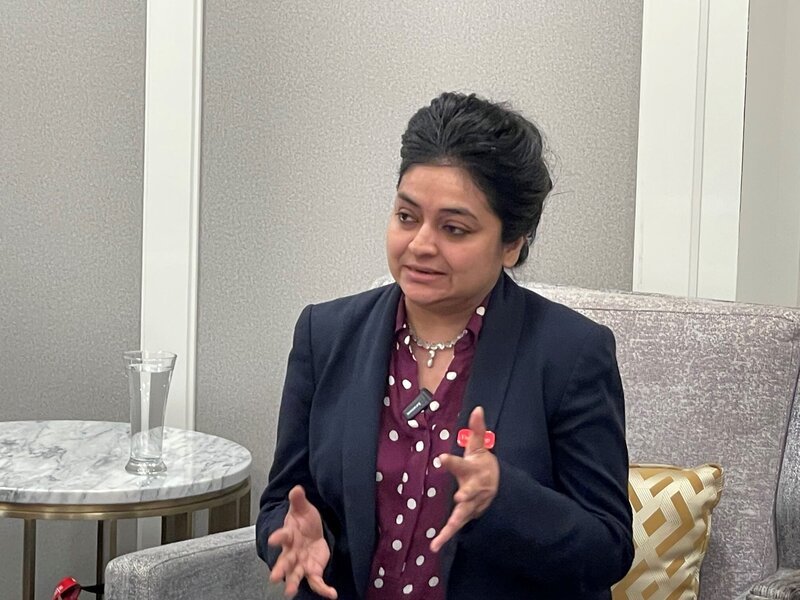
Director of Asia-Pacific Sovereign Ratings at Fitch Ratings, Sagarika Chandra, shared her views with The Hanoi Times on the country's economic prospects and the areas where improvements can be made to enhance its future rating.
| Director of Asia-Pacific Sovereign Ratings at Fitch Ratings Sagarika Chandra. |
Fitch Ratings has recently reaffirmed Vietnam's sovereign ratings at BB with a positive outlook. What factors could improve the country's rating in the future?
On the positive side, if we were to witness a stronger policy framework that equips the government to handle emerging complexities, it could serve as a positive driver for the rating. Additionally, sustaining high GDP growth has a spillover effect on GDP per capita, which currently presents a structural weakness for Vietnam compared to other similarly rated sovereigns. An improvement in GDP per capita could also contribute to a better rating in the future. Moreover, maintaining high growth alongside macro stability is another factor that we view positively and could serve as a driver for a higher rating.
Given the fierce competition for Foreign Direct Investment (FDI) in the region, what recommendations do you have for Vietnam to continue attracting high-quality FDI?
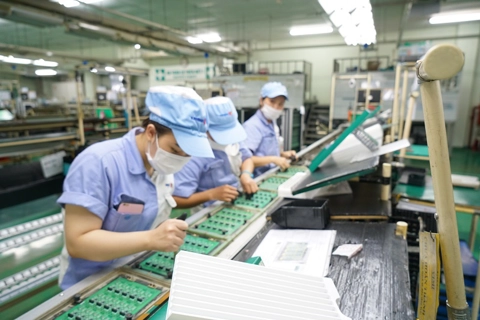
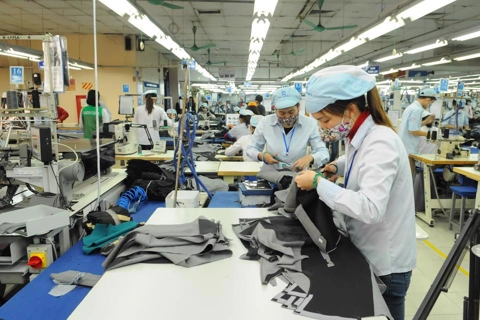
Based on our observations, Vietnam possesses several strengths that contribute to attracting FDI in the medium term. First, the country enjoys a cost-competitiveness advantage that is attractive to investors. In addition, Vietnam has successfully integrated itself into global supply chains, further enhancing its attractiveness.
The existing framework supports FDI prospects, and Vietnam's participation in several free trade agreements (FTAs) positively impacts trade and investment prospects. These factors should continue to attract high-quality capital flows over the medium term.
However, we also identify specific risks that need to be addressed. One such risk is the development of the necessary infrastructure to accommodate substantial FDI inflows. Additionally, investing in human capital is crucial to enable Vietnam to engage in higher-value investments in the future. These measures would allow Vietnam to tap into more sophisticated investment opportunities and enhance its attractiveness for high-quality FDI.
How would Vietnam's prospects for attracting FDI be affected by the implementation of the global minimum corporate tax rate?
We do not perceive the global minimum corporate tax rate as a significant negative or deterrent to FDI inflows in Vietnam. As previously mentioned, the Vietnamese economy's inherent strengths are expected to sustain high levels of FDI. Vietnam enjoys various advantages compared to other countries in the region, such as the Philippines or Indonesia, which are also vying to attract FDI. Therefore, we do not consider it a major risk at present.
Inflation is becoming a major concern for Vietnam. What is your view on the challenge Vietnam faces in containing inflation for the rest of the year?
From our perspective, if you look at the inflation numbers, they have started to come down from their peaks. The headline inflation numbers are showing a downward trend. Therefore, we believe that Vietnam may have passed the period of high inflation. Moreover, we expect slightly weaker growth when we analyze our growth projections. In addition, our global economic outlook forecast for 2023-2024 anticipates declining commodity prices. Considering these factors, we expect inflation to decline over the course of this year and potentially remain below the government's target of 4.5% for 2023. As a result, we do not see it as challenging as it was earlier this year.
The State Bank of Vietnam has decided to lower its policy interest rates several times this year. Do you expect the central bank to continue on this path?
We expect the State Bank of Vietnam (SBV) to maintain an accommodative stance. The primary focus appears to be supporting the economy and considering the decreasing inflation. There is room for maneuvering. Therefore, we anticipate that the SBV will prioritize supporting the economy and maintaining an accommodative monetary policy. This stance is not expected to impact our rating for the country's outlook, and we maintain a positive outlook on Vietnam's sovereign rating.
Thank you for your time!