Vietnam’s economy shows high resilience to global challenges: ADB
The Government's ability to balance monetary and fiscal policies helps ensure a high degree of resilience to global challenges beyond its control.
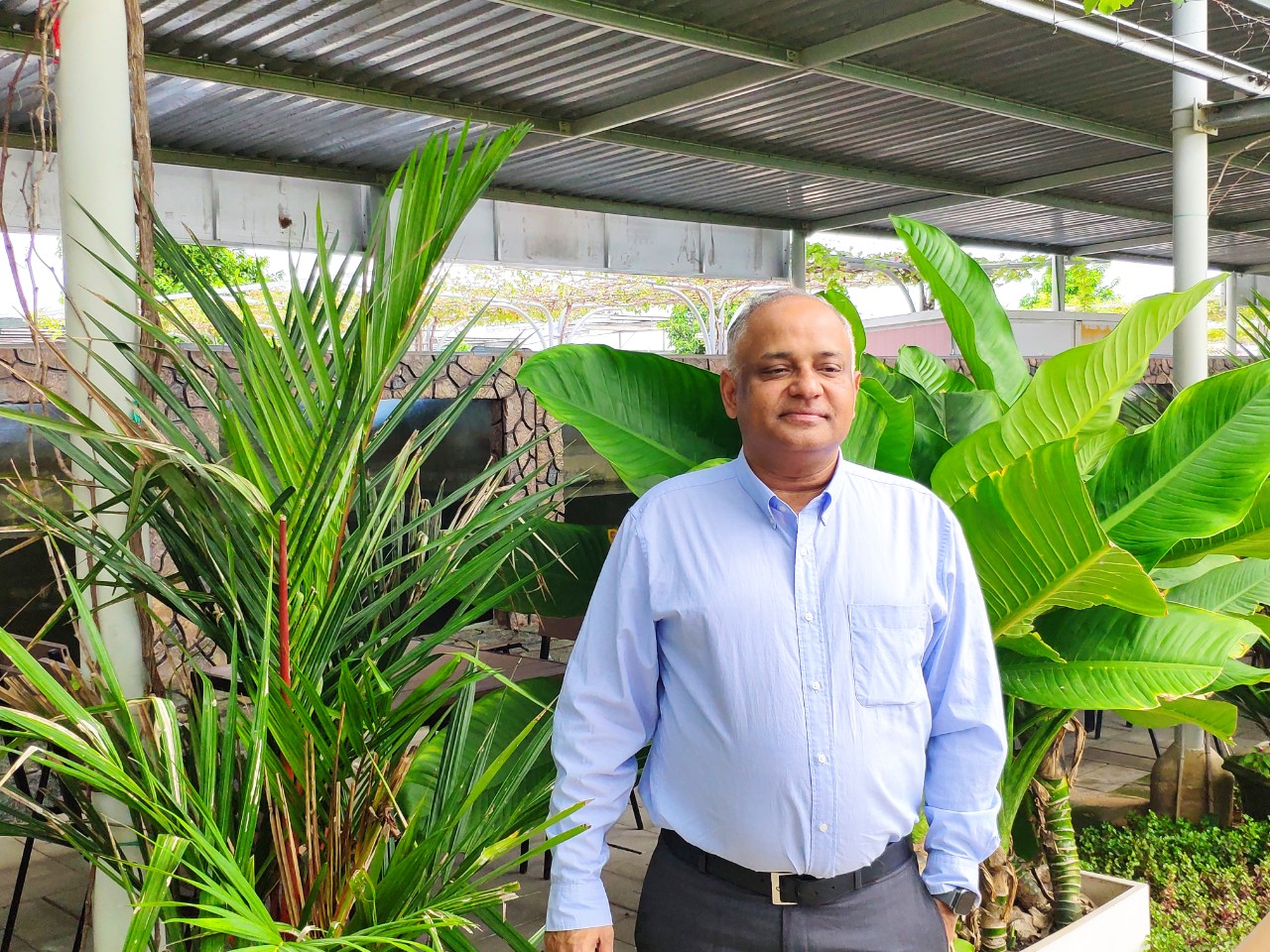
ADB Country Director for Vietnam Shan Chakraborty shared his views on the country’s economic prospects and how Vietnam could sustain long-term growth with The Hanoi Times.
| ADB Country Director for Vietnam Shan Chakraborty. Photo: Ngoc Mai/The Hanoi Times |
What do you think about Vietnam’s economic prospects for the next year?
From my view, the outlook for Vietnam's economy appears cautiously optimistic, despite facing external headwinds from macroeconomic situations in its main trading partners.
The tightening of monetary policy in these countries could potentially impact Vietnam's exports in the coming year. However, the economy has demonstrated strong resilience throughout the current year, and the Government is actively addressing these challenges.
Despite external pressures, the Government has taken appropriate measures to manage key economic indicators. Inflation has been kept low, and interest rates have been maintained at favorable levels. Vietnam's economic growth in 2023 compares favorably with neighboring countries, indicating a robust performance.
Looking ahead, the trajectory of Vietnam's economic prospects will depend on the extent of public investment directed towards improving infrastructure and enhancing the country's resilience to various challenges, including those posed by climate change.
In addition, the Government's ability to strike a balance between monetary and fiscal policies has been commendable, ensuring a high degree of resilience to global challenges beyond its control.
How do you assess the country’s domestic consumption?
Domestic consumption plays a pivotal role in driving economic growth, and Vietnam needs to focus on bolstering its domestic market, following the successful examples of other Asian countries like India, China, and Indonesia. These nations have thrived due to the presence of large domestic markets.
To stimulate domestic consumption in Vietnam, it is crucial to increase the disposable income of the population. One strategy to achieve this is by maintaining low interest rates. Although the impact on credit and consumer spending may not have been significantly evident yet, a continued low-interest rate environment is expected to boost credit, putting more money into the hands of the people.
Additionally, improving public investments, particularly in sectors experiencing a slowdown, can positively affect various parts of the economy. This includes healthcare, automotive, construction, and related ancillary services. By investing in these sectors, the government can generate employment opportunities and inject more income into the hands of the population. This, in turn, will contribute to increased domestic consumption, a key driver of economic growth.
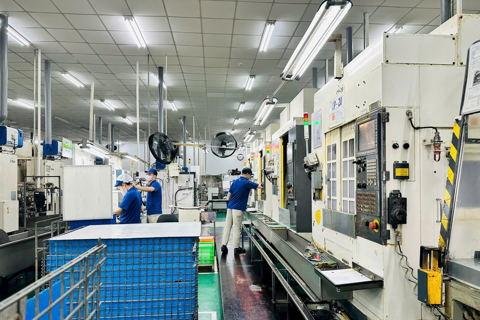
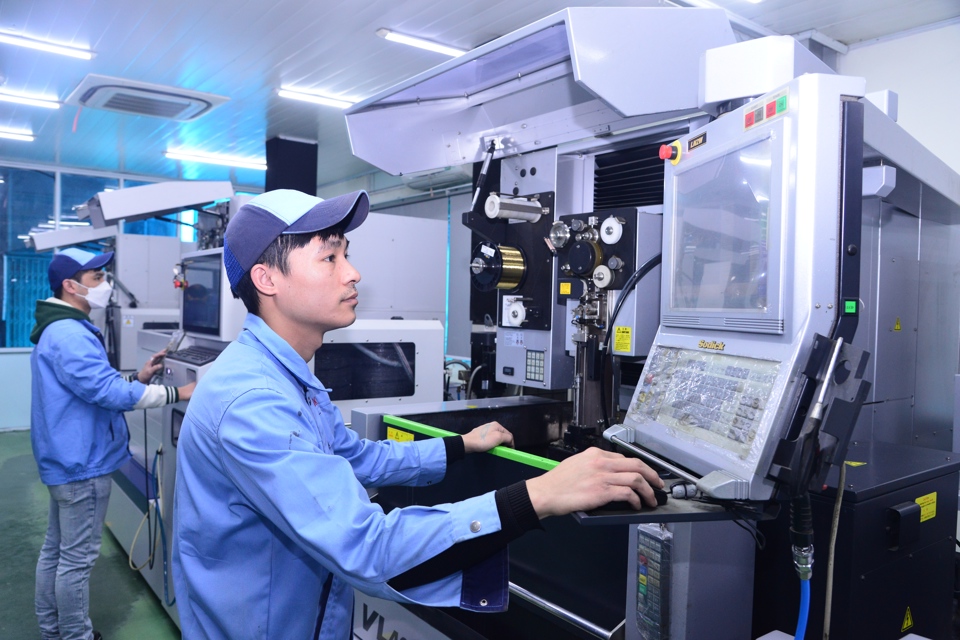
| Manufacturing of electronic products for export at Phu Nghia Industrial Park, Chuong My District, Hanoi. Photo: Pham Hung/The Hanoi Times |
What is your view on FDI in Vietnam?
Over the past couple of years, Vietnam has experienced a significant surge in FDI inflow, solidifying its position as an attractive destination for international investors. However, growing competition from other regional countries underscores the need for Vietnam to maintain its competitive edge in FDI attraction proactively.
To sustain this appeal, substantial efforts are required in two key areas: infrastructure development and policy reform. Strengthening the backbone of the economy through investments in roads, power plants, and transit transmission systems is crucial.
Investors closely scrutinize these factors when deciding where to allocate their funds. Additionally, aligning infrastructure development with Vietnam's ambitious net-zero targets necessitates significant investments in renewable energy generation and an upgraded transmission system capable of handling the intermittent nature of renewable sources. These investments are vital not only for grid stabilization but also for ensuring a reliable energy supply to both industrial and domestic consumers.
The second imperative is policy reform. While progress has been made in various sectors, continuous efforts are needed to create an enabling business environment. This involves implementing robust policies that reduce uncertainties, provide regulatory certainty, and maintain consistency. Such a transparent and favorable regulatory framework is a key consideration for foreign investors, contributing to their confidence when contemplating investments. By de-risking sectors and ensuring policy clarity, Vietnam can attract and retain foreign investors across various industries, including manufacturing and critical infrastructure projects.
What are ADB's areas of focus for ADB to help Vietnam address external challenges, including climate change adaptation?
The ADB has transformed into the leading financial institution addressing climate change in Asia, marking a significant shift in its regional operational focus. This shift is encapsulated in one of ADB's four key operational priorities, which is now centered on combating climate change. This implies that all ADB operations will prominently feature climate finance components, encompassing both adaptation and mitigation efforts.
Vietnam has been a robust partner of ADB for the past 30 years, with the bank having extended approximately $17 billion in loans to support numerous projects within the country during this period. Looking ahead, ADB's commitment to Vietnam remains steadfast, with a continued emphasis on supporting projects that demonstrate climate resilience and align with strategic sustainable development goals. This commitment spans various sectors, including infrastructure and agriculture, with the overarching objective being to ensure climate risk management, resilience, sustainability, and inclusive growth.
The current country partnership strategy for the next five years outlines three core strategic areas in which ADB aims to support the Vietnamese government in green growth, inclusive growth, and private sector-led growth. These pillars reflect ADB's dedication to supporting Vietnam's sustainable development in key sectors.
Within its financing mechanisms, ADB operates in both the public and private sectors. It provides support through sovereign lending in the public sector, as well as private sector lending through a rapidly growing private sector lending window. The bank also offers transaction advisory services to assist the Government in developing commercially viable projects that can attract private sector investments. Additionally, ADB engages in upstream policy work to collaborate with the government in strengthening policy frameworks across various sectors, aligning them with best practices observed in the region.
| The ADB Country Director for Vietnam during a visit to a project in Ninh Thuan Province. |

What is your recommendation for Vietnam’s monetary policy going forward?
Maintaining a stable economic environment involves a delicate balancing act, encompassing economic growth, controlled inflation, and a reasonably manageable interest rate regime. I think it is evident that the Vietnamese Government has performed well in striking this balance, according to studies by the ADB.
The Government's track record demonstrates effective management, with favorable comparisons in economic growth against neighboring Southeast Asian countries. This accomplishment has been achieved while concurrently keeping interest rates and inflation at reasonable levels. Looking ahead to the 2024 monetary policy, a key determinant will be the trajectory of inflation. The State Bank of Vietnam's response will likely be informed by the prevailing inflation conditions.
Various macroeconomic challenges will influence the formulation of the 2024 monetary policy. Factors such as global supply chain disruptions resulting from conflicts and geopolitical events can impact Vietnam's export-oriented economy. The demand for Vietnamese goods will also be influenced by the monetary policies of other economies and how effectively they manage their economic conditions.
The balancing act continues as the Government evaluates the impact of these challenges on economic growth, interest rates, and credit accessibility. The supply chain disruptions and their consequences on manufacturing, especially in the context of an export-driven economy, will be significant considerations.
In essence, the 2024 monetary policy will be shaped by a thorough assessment of these factors, considering the intricate interplay between sustaining growth, managing inflation, and ensuring the accessibility of credit to support economic activities. The Government's ability to navigate these complexities will be crucial in fostering a stable and thriving economic environment.
Thank you for your time!