Bhutan King and Queen’s State visit deepens Vietnam ties in governance and culture
Both countries focus on people-centered development, with Vietnam praised for its dynamic growth and Bhutan renowned for its emphasis on happiness and sustainability.
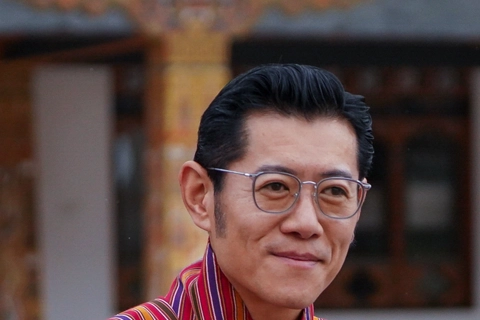
THE HANOI TIMES — The ongoing State visit of King Jigme Khesar Namgyel Wangchuck and Queen Jetsun Pema of Bhutan to Vietnam marks a milestone in relations between the two countries, particularly in governmental governance and culture.
The first high-profile visit from August 18-22 since the two countries established diplomatic relations in 2012 reflects a shared commitment to learning from each other’s governance models while opening avenues for broader cooperation.
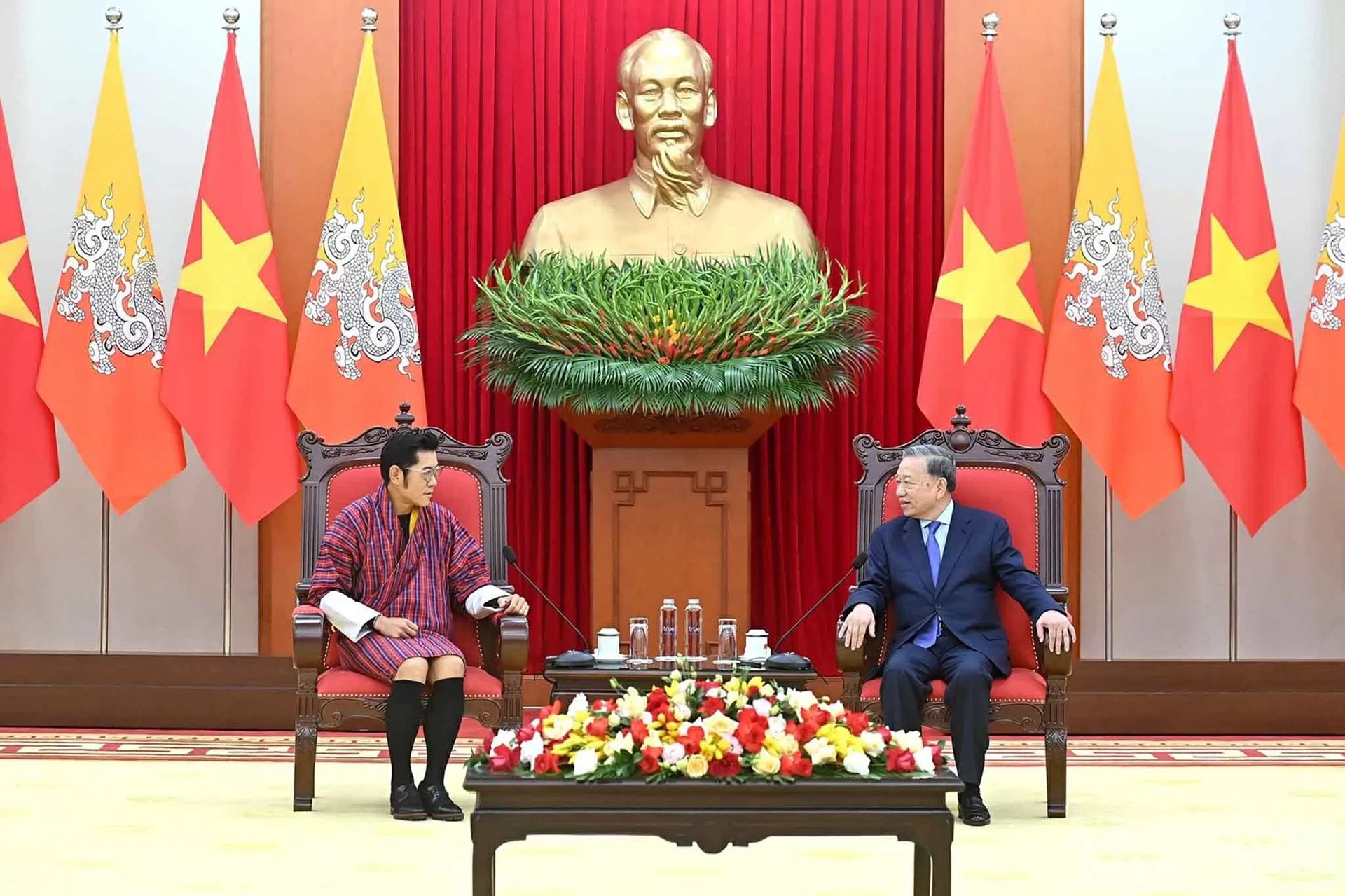
General Secretary of the Communist Party of Vietnam To Lam meets Bhutan's King Jigme Khesar Namgyel Wangchuck in Hanoi on August 19. Photo: Nhan Dan
King Jigme Khesar Namgyel Wangchuck highlighted Vietnam’s impressive trajectory of economic growth, effective state governance, and the resilience of its people as a source of inspiration during his four meetings with Party General Secretary To Lam, State President Luong Cuong, Prime Minister Pham Minh Chinh, and National Assembly Chairman Tran Thanh Man on August 19.
For Bhutan, a landlocked kingdom renowned for its unique development philosophy of “Gross National Happiness”, Vietnam’s ability to sustain rapid growth while lifting millions out of poverty provides valuable lessons in balancing modernization with social stability.
In turn, Vietnamese leaders expressed admiration for Bhutan’s righteous and distinctive governance strategies, which prioritize conservation of cultural heritage, environmental sustainability, and the happiness of its citizens.
Party General Secretary To Lam praised Bhutan as “a country that has become a global symbol for placing people’s well-being at the heart of governance.”
Prime Minister Pham Minh Chinh said that Bhutan’s focus on sustainable growth and harmony between tradition and progress offers meaningful experiences for Vietnam as it seeks new growth models in the context of green and digital transformation.
Both sides reaffirmed that cooperation in governance would cover both sharing lessons and translating those into practical collaboration.
President Luong Cuong pledged Vietnam’s willingness to support Bhutan in strengthening institutional capacities, public service reforms, and policy design for economic integration.
For his part, the Bhutanese monarch expressed readiness to exchange insights on heritage protection, eco-friendly tourism, and community-centered policies.
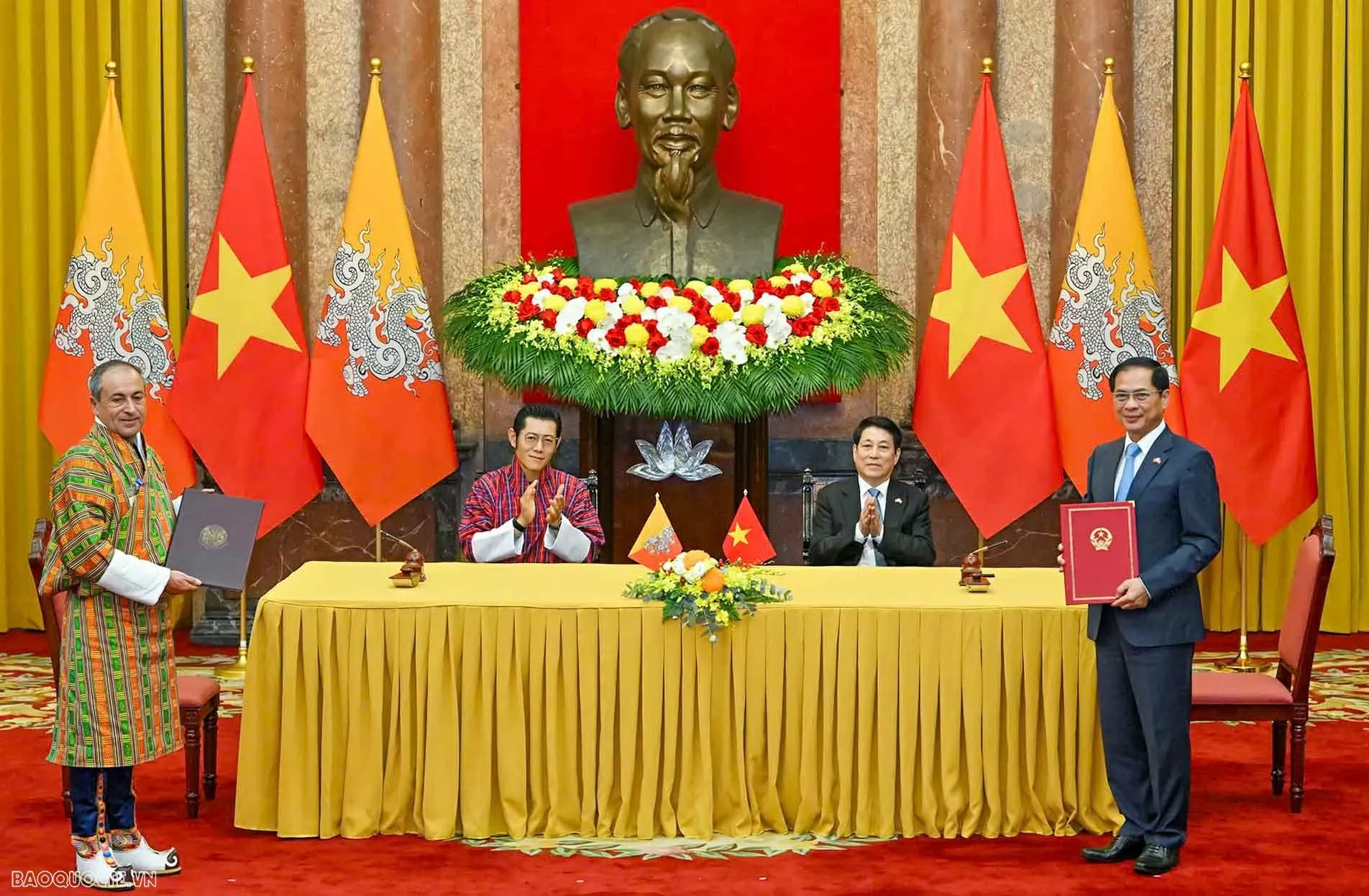
Vietnam and Bhutan sign agreement on governmental governance in the attendance of State President Luong Cuong and King Jigme Khesar Namgyel Wangchuck. Photo: Baoquocte
In the attendance of President Luong Cuong and King Jigme Khesar, the two sides inked two agreements on governmental governance and aviation, highlighting the need to explore aviation connectivity.
They believed that establishing direct flights between the two countries would be an important step to facilitate tourism, cultural exchange, and economic ties.
As Bhutan looks to diversify its international connections and Vietnam seeks to expand its presence in South Asia, both sides agreed that aviation links would act as a catalyst for stronger people-to-people relations and bilateral trade.
At the global level, Bhutan highly appreciated Vietnam’s role in Asia-Pacific, its active contributions within ASEAN and its role in multilateral forums.
In return, Vietnam pledged to back Bhutan’s deeper connection with ASEAN and advance shared concerns such as climate change, sustainable development, and cultural preservation at global platforms.
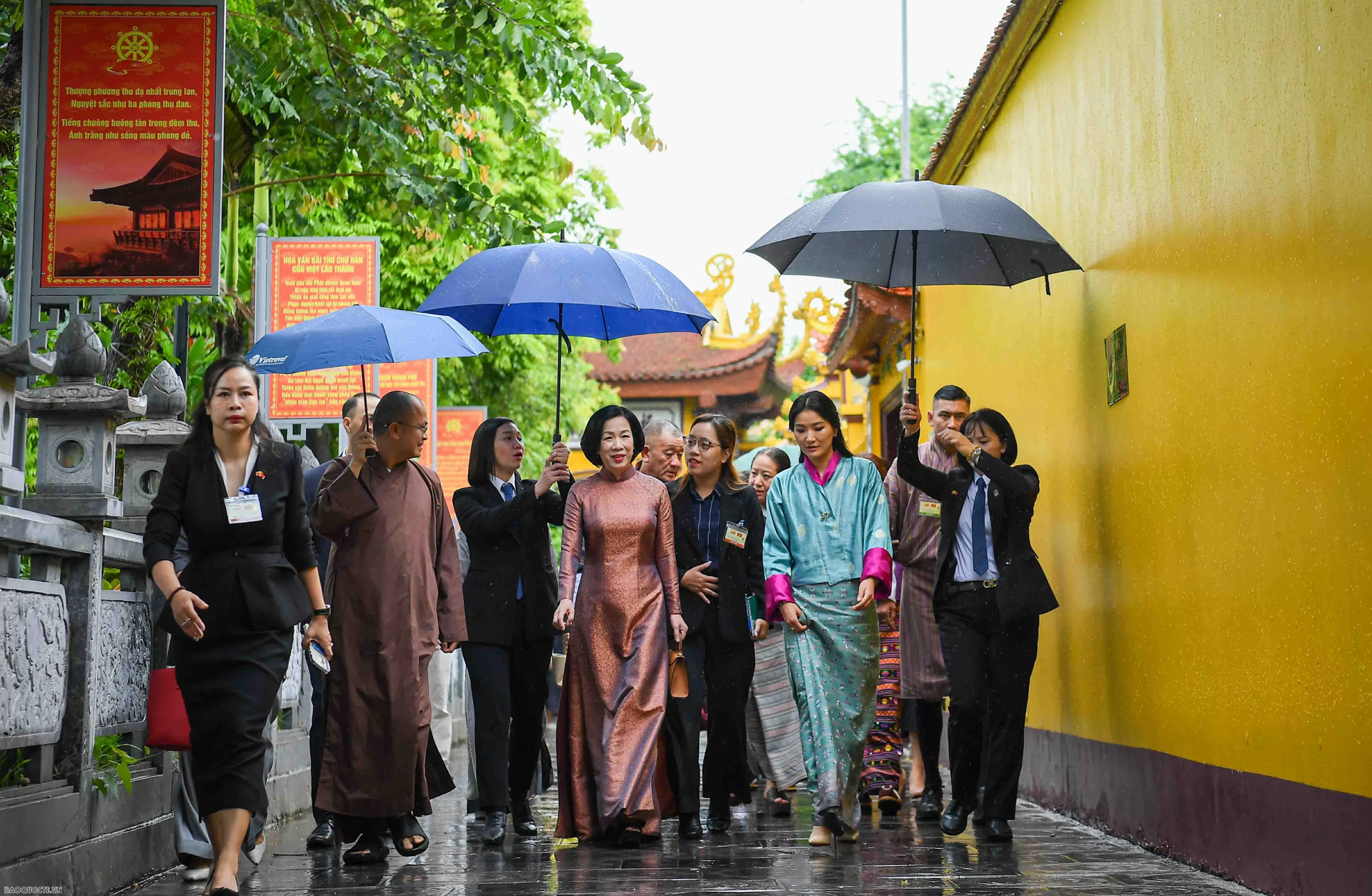
Madam Nguyen Thi Minh Nguyet, spouse of State President Luong Cuong, and Bhutanese Queen Jetsun Pema Wangchuck visit Tran Quoc Pagoda in Hanoi on August 19. Photo: Baoquocte
Apart from political dialogue, the royal visit also carried strong cultural symbolism. Bhutan and Vietnam are spiritually close as they share a deep foundation in Buddhism and a commitment to protecting traditions amid modernization.
The cultural links were marked by the Bhutanese Queen Jetsun Pema Wangchuck’s visit to the 1,500-year Tran Quoc Pagoda in Hanoi, accompanied by Madam Nguyen Thi Minh Nguyet, spouse of President Luong Cuong.
The ladies talked about the spiritual bonds between the two nations, with Buddhism serving as a bridge for cultural understanding and nurturing shared values of compassion, balance, and harmony.
Toward a future of shared prosperity and well-being
The State visit of King and Queen of Bhutan is a symbolic meeting of two governance philosophies, in which Vietnam’s focus on dynamic economic development and Bhutan’s emphasis on happiness and sustainability.
Vietnam seeks to sustain growth amid global uncertainties, while Bhutan shows how smaller nations can preserve identity and environment while ensuring citizen well-being.
Both approaches converge on a common vision that covers the people-centered development.
Culture will complement state cooperation, with both sides boosting exchanges in education, heritage, and tourism, paving the way for two-way travel once direct flights are launched.
The royal visit also resonates with ordinary Vietnamese, many of whom see Bhutan as a faraway yet kindred nation that shares Vietnam’s emphasis on family, tradition, and community well-being.
The warm reception of the Bhutanese King and Queen reflects Vietnam’s appreciation of Bhutan’s unique journey as one of the world’s happiest countries.
Vietnamese Ambassador to India, Bhutan and Nepal Nguyen Thanh Hai highlighted Buddhist values, people-centered development, and reform momentum as grounds for stronger Vietnam–Bhutan cooperation.
He urged investment in Gelephu Mindfulness City, agriculture, and hydropower, along with direct flights and expanded trade, tourism, and investment ties.