Vietnam strengthens role in ASEAN after 30 years of membership
Apart from economics, Vietnam has strengthened ASEAN unity and centrality by contributing across all three pillars, from political-security to economic and socio-cultural cooperation, including maritime security, climate action, digital transformation and people-centered development.
THE HANOI TIMES — Vietnam is increasingly regarded as a constructive partner with a growing role and influence in strengthening internal cohesion, enhancing resilience and shaping the future of the Association of Southeast Asian Nations (ASEAN) over 30 years of participation in the regional bloc.
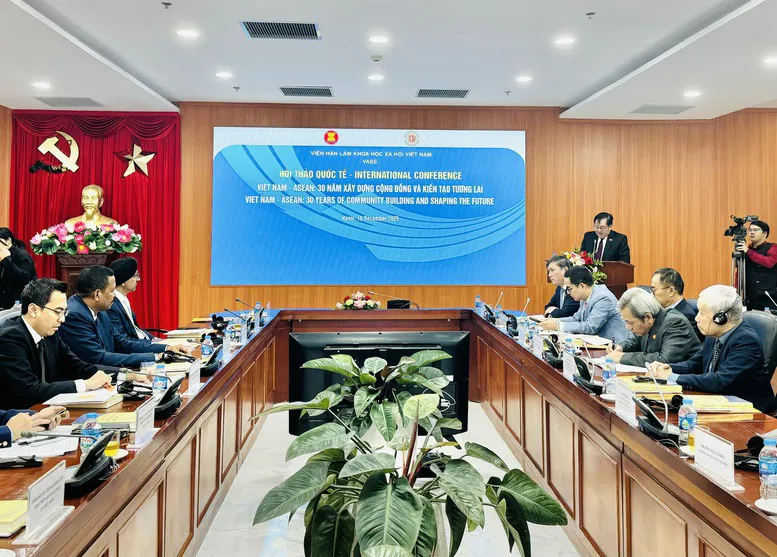
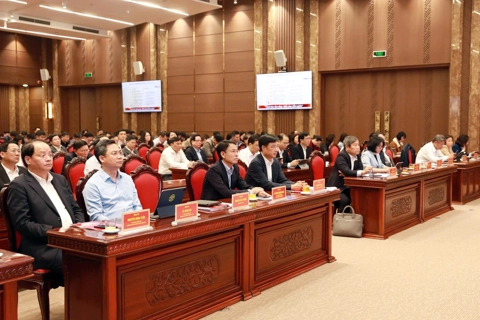
International scientific conference “Vietnam – ASEAN: 30 years of building the community and shaping the future,” held by the Vietnam Academy of Social Sciences (VASS) in Hanoi on December 16. Photo: VASS
The view was shared by many international delegates at the international scientific conference “Vietnam – ASEAN: 30 years of building the community and shaping the future,” held by the Vietnam Academy of Social Sciences (VASS) in Hanoi on December 16 to mark the 30th anniversary of Vietnam’s official accession to ASEAN.
Speaking at the conference, Prof. Ngeow Chow Bing, Director of the Institute of China Studies at the University of Malaya (Malaysia), said that since joining ASEAN in 1995, Vietnam has demonstrated a strong commitment to ASEAN norms, pursued a proactive diplomatic approach and maintained a firm stance on maritime security.
The contributions have helped enhance the cohesion and credibility of the ASEAN Political–Security Community.
According to Prof. Ngeow Chow Bing, Malaysia views Vietnam as a constructive and increasingly influential partner that supports ASEAN in effectively responding to political, security and non-traditional security challenges.
Amid intensifying geopolitical competition in the wider region, Vietnam’s continued active engagement is seen as a key factor in safeguarding internal unity, maintaining strategic autonomy and upholding ASEAN’s central role.
“For Malaysia, Vietnam is not only an ASEAN member state but also an important partner in building a resilient, peaceful and stable Southeast Asia,” Prof. Ngeow Chow Bing emphasized.

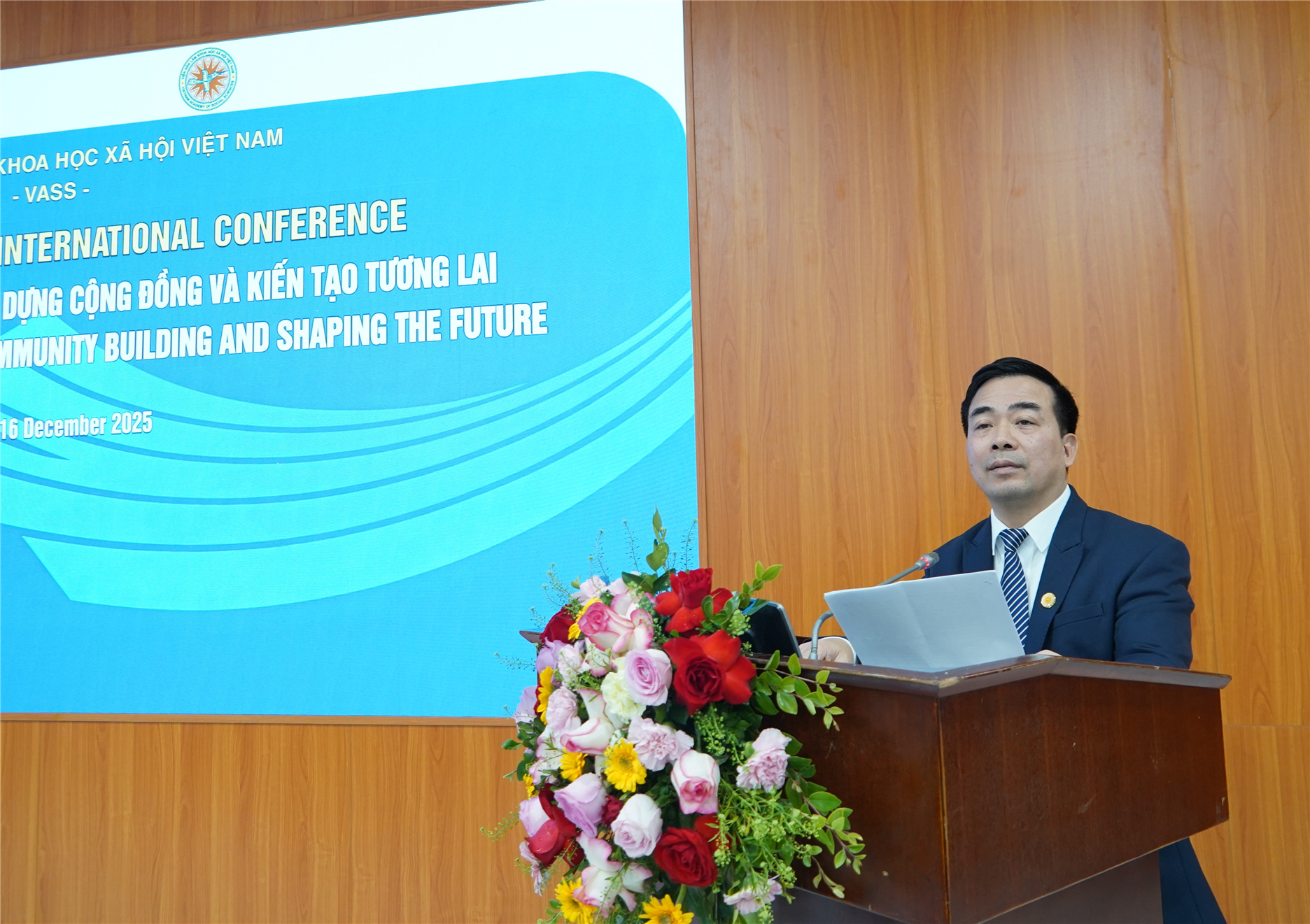
Prof. Dr. Le Van Loi, President of the Vietnam Academy of Social Sciences (VASS) speaks at the event. Photo: VASS
Meanwhile, Prof. Dr. Le Van Loi, President of the Vietnam Academy of Social Sciences, affirmed that Vietnam’s 30-year journey within ASEAN has left many notable marks, gradually cementing its role as an active, proactive and responsible member of the ASEAN Community.
He said Vietnam’s accession as ASEAN’s seventh member on July 28, 1995, was a historic milestone that opened new development space for the country and contributed to strengthening peace, stability and cooperation in Southeast Asia.
The most overarching benefit ASEAN has brought to Vietnam is a peaceful and stable regional environment – an essential foundation for ensuring security and socio-economic development, while ASEAN membership has enabled Vietnam and other regional countries to reshape relations toward friendship, cooperation, stability and sustainability based on bilateral, regional and multilateral cooperation.
In economic terms, the VASS President stressed that participation in ASEAN and the ASEAN Economic Community (AEC) has opened up a vast market for Vietnam, facilitating export growth, investment attraction, access to modern technologies and skills, job creation and economic growth.
ASEAN has also served as an important “springboard” for Vietnam’s deeper global integration through free trade agreements with major partners, enabling Vietnam to participate more deeply in regional and global value chains.
In the socio-cultural pillar, ASEAN cooperation has created a broad space for Vietnam to enhance exchanges, promote its national cultural identity and contribute to addressing shared regional issues such as the environment, social welfare, healthcare, education and human development.
Vietnamese people are the direct beneficiaries of this integration process, enjoying a more peaceful, secure and stable environment along with greater opportunities for jobs, study and mobility within the region.
Vietnam’s increasing role in ASEAN

Dato’ Tan Yang Thai, Malaysian Ambassador to Vietnam addresses the conference. Photo: VASS
He affirmed that Malaysia has always strongly supported Vietnam’s accession to ASEAN, noting that the 1995 milestone played an important role in shaping ASEAN into a unified, dynamic Southeast Asian community with a growing international profile.
According to the Ambassador, Vietnam is now one of ASEAN’s most dynamic members, making significant contributions not only to economic development but also to promoting ASEAN centrality, strengthening internal solidarity and expanding the Association’s external relations.
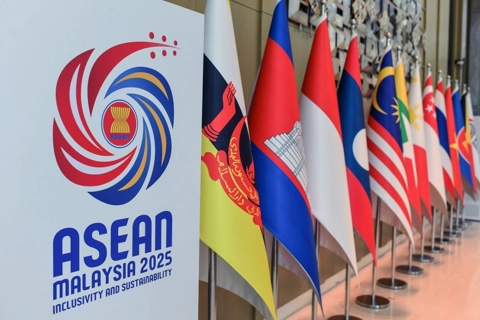
He also shared key outcomes from Malaysia’s ASEAN Chairmanship in 2025, particularly efforts to advance the ASEAN Community Vision 2045, promote green and digital transitions and welcome Timor-Leste as ASEAN’s 11th member.
Dr. Nguyen Xuan Cuong, Director of the Institute of Asia–Pacific Studies. Photo: VASS
In a keynote address, Dr. Nguyen Xuan Cuong, Director of the Institute of Asia–Pacific Studies, emphasized that Vietnam’s decision to join ASEAN was a sound strategic choice, reflecting innovative thinking and a long-term vision for the country’s position and role in regional and international structures.
Through ASEAN, Vietnam has gradually enhanced its international standing, evolving from a country in the early stages of renewal into a trusted partner and anchor of cooperation and stability, while actively contributing to shaping the region’s future.
As ASEAN faces challenges ranging from strategic competition and non-traditional security threats to the need for new development models, reviewing Vietnam’s 30-year ASEAN journey is of particular significance.
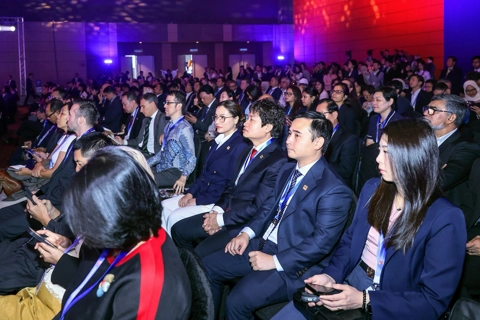
The conference drew wide participation from domestic and international delegates, including leaders of VASS, scientists, representatives of ministries and agencies, ambassadors and diplomatic missions in Vietnam, along with numerous experts and scholars from home and abroad.
Following the opening session, the conference continued with two main discussion panels: “30 years of Vietnam–ASEAN: Achievements, challenges and lessons learned” and “ASEAN 2045: Towards a resilient, connected and adaptive community.”
Through the conference, organizers aim to further clarify Vietnam’s three-decade journey within ASEAN, add scientific and practical foundations for policymaking and contribute to enhancing Vietnam’s integration effectiveness while working with ASEAN to build a peaceful, prosperous, resilient and people-centered community.
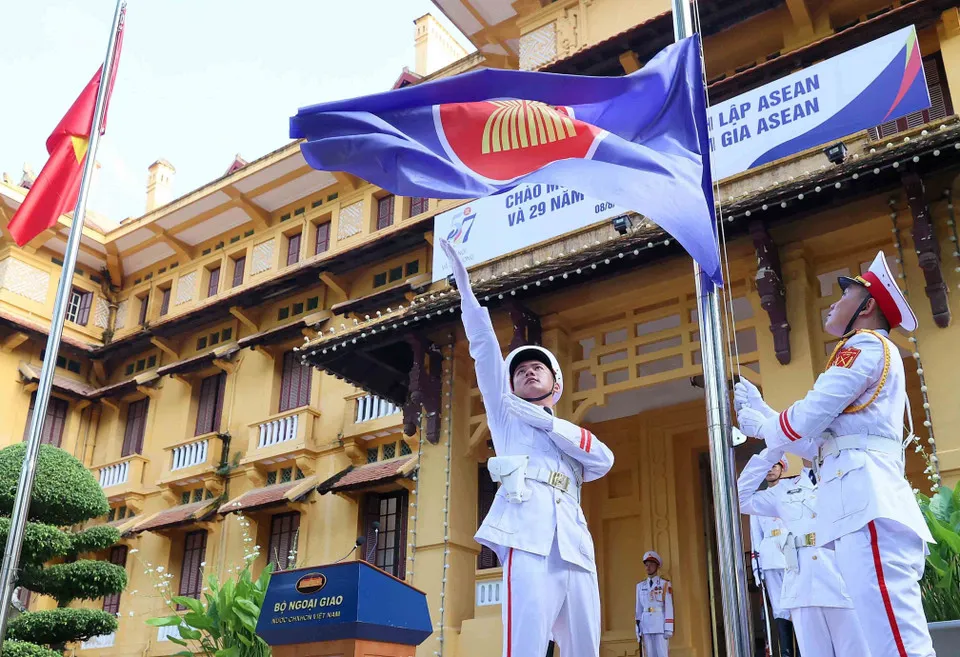
The ASEAN flag hoisting in Hanoi, Vietnam. Photo: VNA
Vietnam has served as ASEAN Chair three times (1998, 2010 and 2020), with its 2020 chairmanship during the Covid-19 pandemic widely noted for sustaining cooperation and collective response.
Vietnam’s contributions span all three ASEAN pillars, namely political-security, economic and socio-cultural, including maritime security dialogue, climate action, digital transformation, cultural exchange and people-centered development.
As ASEAN looks toward Vision 2045, Vietnam is aligning its national strategies on innovation, digital transformation and international integration to support a more resilient, inclusive and self-reliant ASEAN community, reinforcing its role as both a stakeholder and a shaper of the region’s future.