Hanoi positions itself at forefront of implementing key Party resolutions
The three resolutions on education, healthcare reform and cultural development are closely interconnected and mutually reinforcing, all directed toward building a capital that is cultured, civilized, modern and happy.
THE HANOI TIMES — Hanoi has shown strong leadership and swift, responsible action in implementing the Politburo’s strategic resolutions, guided by breakthrough thinking, unity and development.
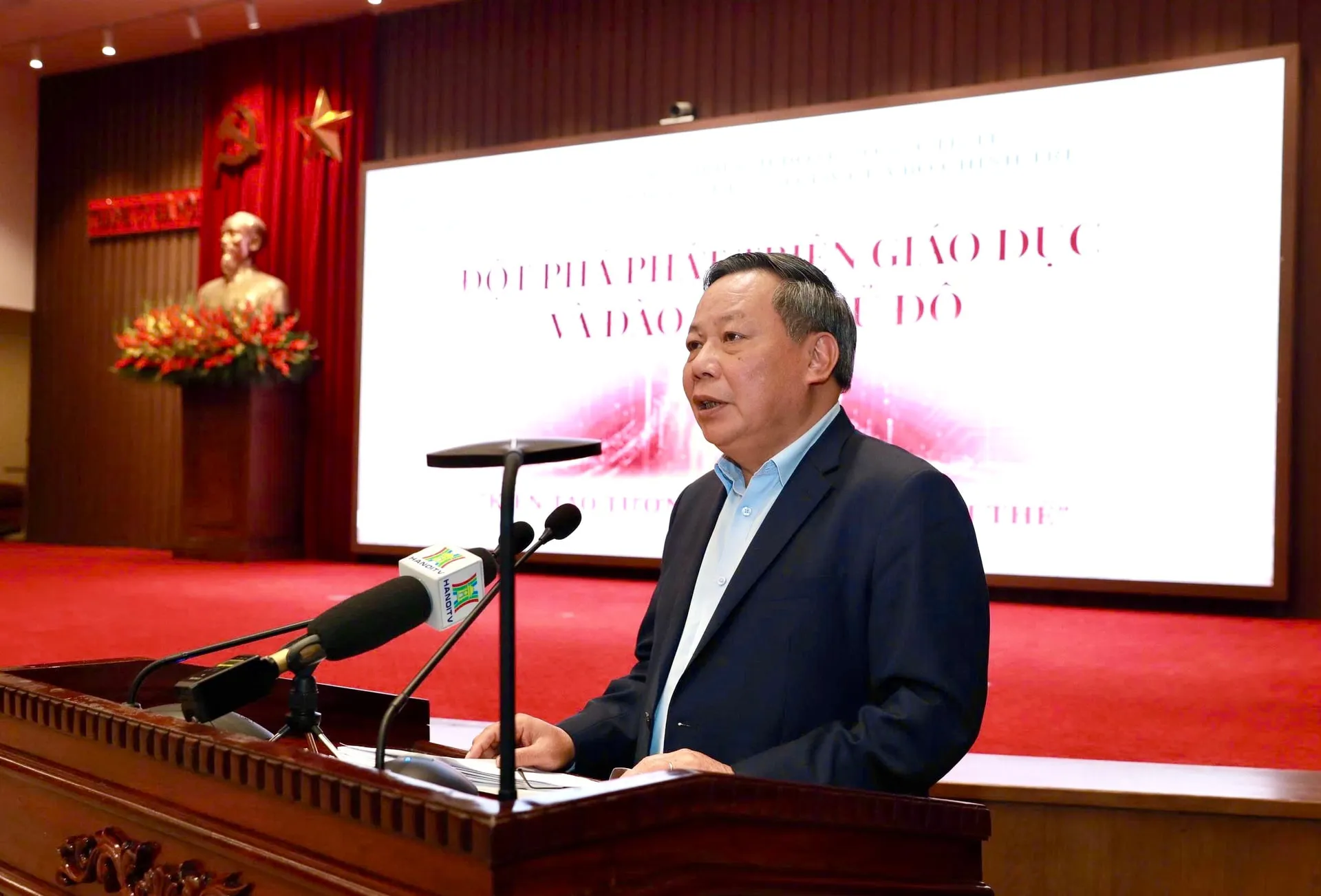
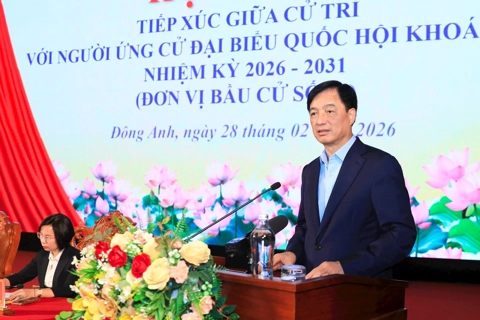
Deputy Secretary of the Hanoi Party Committee Nguyen Van Phong. Photos: Viet Thanh/The Hanoi Times
Deputy Secretary of the Hanoi Party Committee Nguyen Van Phong made the remarks at a conference today [February 25] to disseminate and implement the Hanoi Party Standing Committee’s action programs to carry out the Politburo’s strategic resolutions.
The event was held in person at the Hanoi Party Committee headquarters and connected online to 885 locations across 126 wards and communes and affiliated Party organizations, with the participation of more than 150,000 officials and Party members.
At the conference, Phong said Resolutions 71, 72 and 80 address three areas of special importance to sustainable national development and directly reflect the socialist principle of placing people at the center and as the ultimate goal of all policies.
“For Hanoi, implementing these resolutions is not only about meeting the city’s own development needs but also about demonstrating its leading role for the country,” Phong said.
He added that the three resolutions are closely linked and mutually reinforcing, all aimed at building a capital that is cultured, civilized, modern and happy.
“Education builds knowledge and high-quality human resources, healthcare safeguards physical well-being and quality of life, while culture shapes values, identity and spiritual strength,” Phong emphasized.
According to Phong, a key feature of Hanoi’s action programs is an integrated approach that aligns with central policies on science and technology, innovation, digital transformation, international integration, institutional reform and private sector development. The programs are designed as a unified framework to ensure coordination and consistency.
Phong said the Standing Committee adopted a method based on “four comparisons”: comparing Hanoi with its past performance, with other localities nationwide, with regional and international standards and with new development requirements, especially the goal of rapid and sustainable growth toward double-digit expansion.
The programs are built around the principle of “six clarities”: clear people, clear tasks, clear responsibilities, clear processes, clear timelines and clear outcomes.
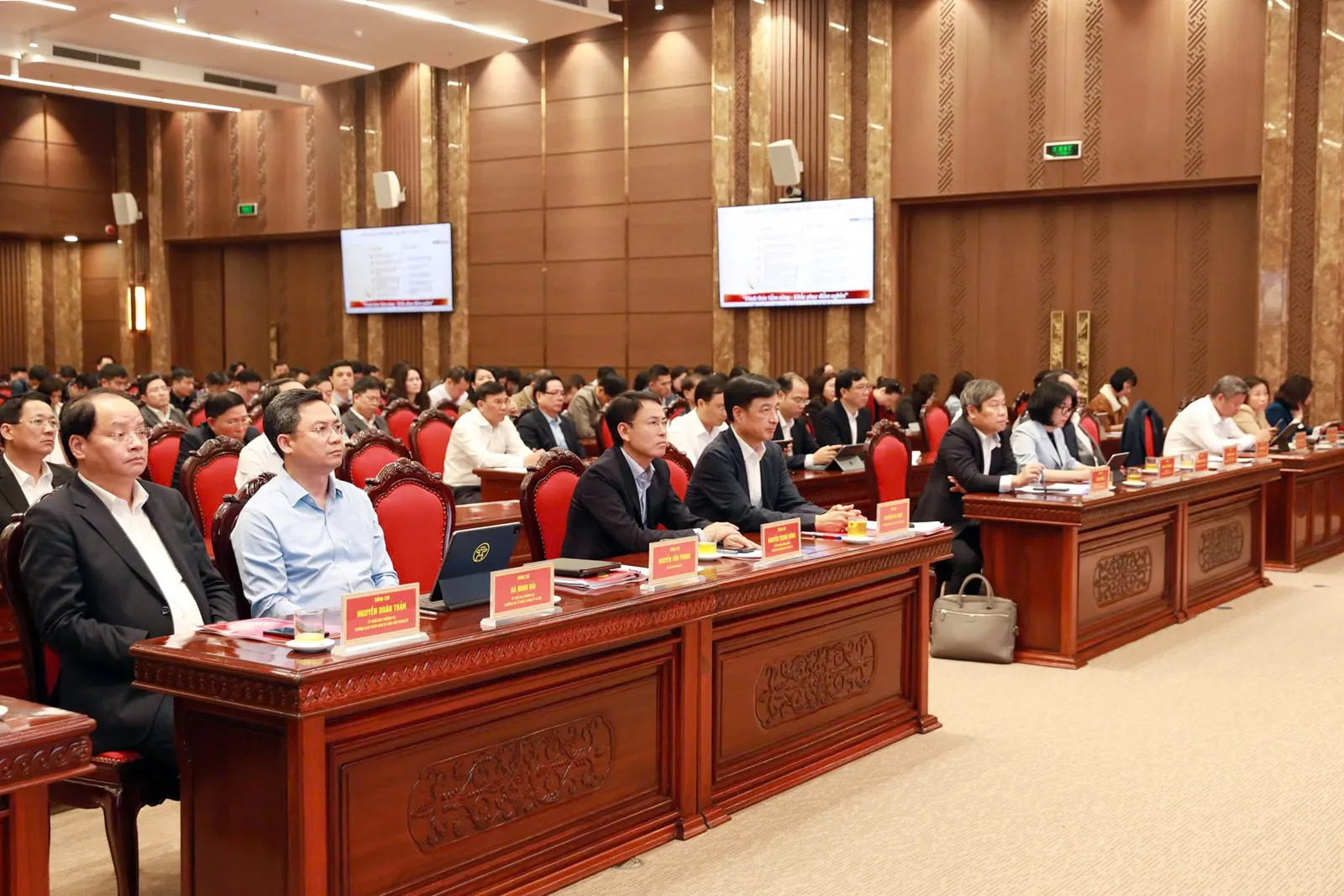
Hanoi Party Secretary Nguyen Duy Ngoc (center) and leaders of the capital city. Photo: Viet Thanh
On education reform under Resolution 71, Phong added that Hanoi will address persistent disparities between urban and suburban areas, review school network planning in line with urbanization and ensure that education keeps pace with development to prevent overcrowding and shortages.
The city will modernize governance by shifting from administrative management to data-based management, strengthen discipline and accountability and promote digital transformation and artificial intelligence in teaching and management.
“Hanoi will leverage its network of around 120 universities and colleges to build an integrated ecosystem linking schools, higher education, research and businesses,” he said.
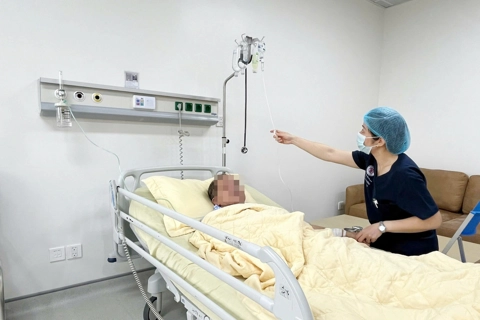
Regarding healthcare reform under Resolution 72, Hanoi will restructure the health system with preventive and grassroots healthcare as the foundation and advanced specialized services as the development driver. The city will strengthen primary care capacity, manage citizens’ health across their life cycle and reduce pressure on central hospitals.
Phong added that digital transformation in healthcare will focus on building a unified and connected data system, developing electronic health records for all residents and applying artificial intelligence in diagnosis and disease forecasting.
Public satisfaction will serve as a key performance indicator, he noted.
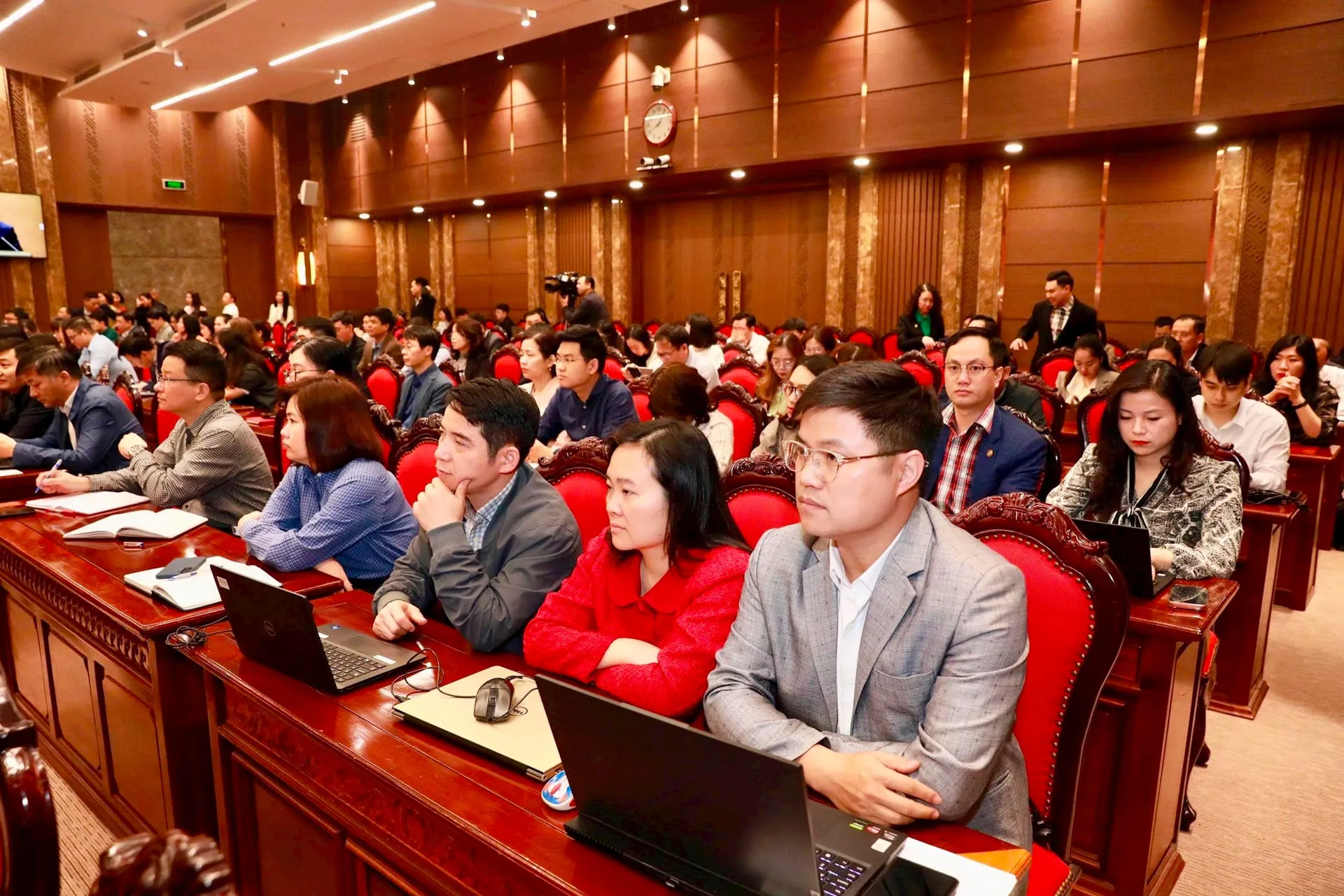
Overview of the conference.
For cultural development under Resolution 80, Hanoi aims to elevate culture a non-material foundation and a key development resource. The city will refine policy frameworks, invest in modern cultural infrastructure and develop symbolic cultural projects.
Special emphasis will be placed on cultural industries and creative spaces linked with heritage preservation and cultural tourism, seen as new growth drivers. Digital transformation will expand access through heritage digitization, cultural databases and digital cultural products.
“Throughout implementation, Hanoi will adhere to the principle of ‘six clarities,’ enhance oversight and make timely policy adjustments to ensure the resolutions deliver tangible improvements in education, healthcare and cultural life,” said Phong.
The ultimate goal is to ensure that the resolutions move beyond documents and deliver measurable change, contributing to rapid and sustainable development of the capital in the new stage."