Culture at the heart of Vietnam’s new development path
The 14th National Congress of the Communist Party of Vietnam is placing high expectations on cultural development as an endogenous resource for the nation.
THE HANOI TIMES — As the 14th National Party Congress unfolds, culture has emerged as a central theme not only in official deliberations but also in everyday public discourse, increasingly recognized as a lasting source of national strength and aspiration.

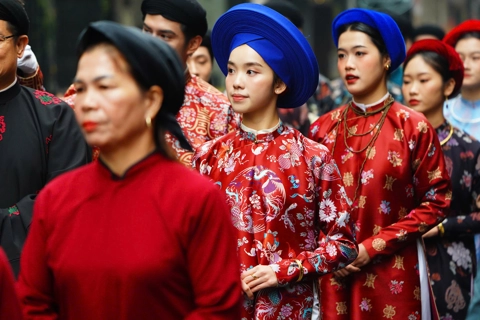
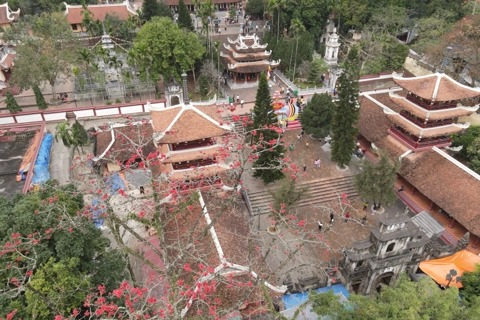
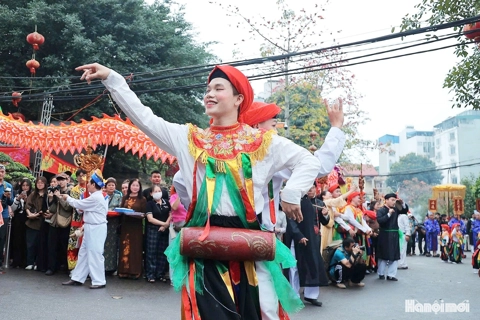
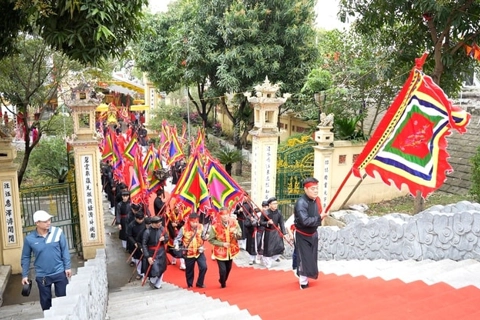
The New Year’s pole-erecting ceremony is reenacted each year at Kim Ngan Temple to mark the arrival of the Lunar New Year. Photo: Huy Pham/ The Hanoi Times
From daily conduct and lifestyles to the preservation of enduring values that define Vietnamese identity, culture is being reaffirmed as a quiet yet powerful force shaping the country’s path toward a prosperous and happy nation.
This growing recognition underscores culture’s role not merely as a reflection of society, but as a foundation that sustains long-term development.
From the spiritual foundation to the nation’s “soft power”
Since the 1943 Outline on Vietnamese Culture, the Party has identified culture as one of the key pillars of the revolution. Through successive stages of national development, particularly during reform and international integration, this perception has been continuously expanded and deepened to meet new realities.
At the 13th National Congress, culture was placed in an organically linked relationship with the country’s major tasks. The political report clearly stated: “Socio-economic development is central; Party building is key; cultural development is the spiritual foundation; ensuring national defense and security is crucial and ongoing.”
This approach marked a shift in thinking, affirming that culture is no longer a secondary or ‘lagging’ field but a guiding force in shaping values, creating depth and ensuring sustainable development.
In the context of globalization, culture is also increasingly viewed as a form of “soft power,” enhancing national standing and projecting a distinctive Vietnamese identity on the international stage.
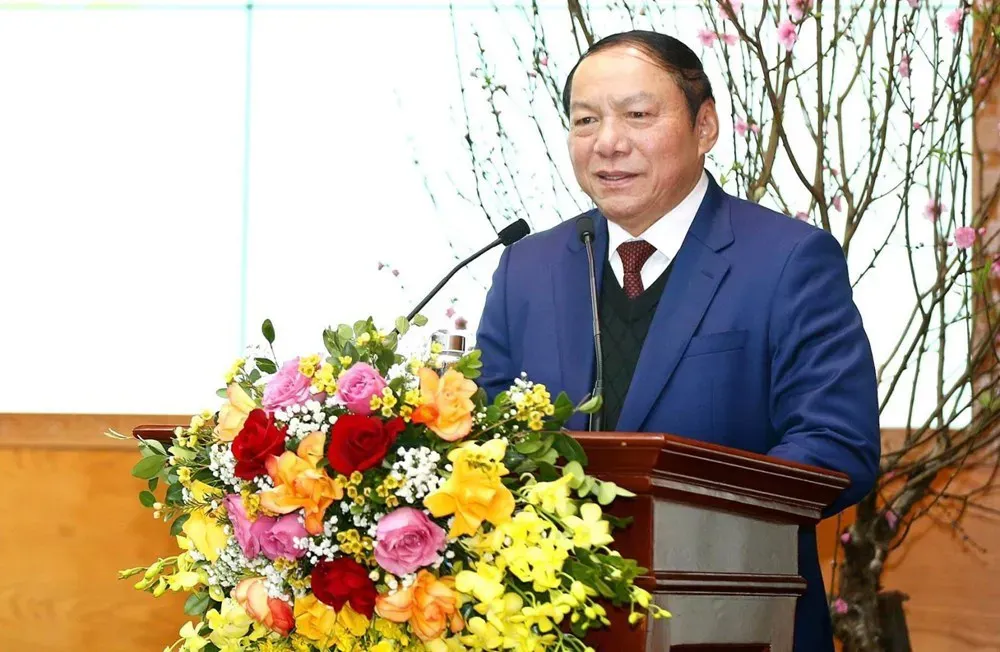
Central Committee member, Party Secretary, and Minister of Culture, Sports and Tourism Nguyen Van Hung. Photo: Kinh te & Do thi Newspaper
From the perspective of the Party’s highest leadership, at the ceremony commemorating the 80th anniversary of the Traditional Day of the Culture Sector (August 28, 1945–2025) held in Hanoi, General Secretary To Lam repeatedly emphasized the need to place culture on par with economics, politics and society.
He underscored that culture is not only the crystallization of tradition but also a vital endogenous resource shaping the character, personality and aspirations of the Vietnamese people.
"In this view, building the Vietnamese people in the new era stands at the core of cultural development strategy and serves as a solid spiritual foundation for long-term national progress," said Lam.
From a state management perspective, Central Committee member, Party Secretary and Minister of Culture, Sports and Tourism Nguyen Van Hung, writing in Kinh Te & Do Thi newspaper, emphasized the need to build and develop culture so that it truly becomes the spiritual foundation of society, an endogenous resource and a source of national soft power.
From a state management perspective, Minister of Culture, Sports and Tourism Nguyen Van Hung noted it's needed to build and develop culture so that it becomes the spiritual foundation of society, an endogenous resource and a source of national soft power.
Written in an article titled “Building and Developing Culture to Truly Become the Foundation, Endogenous Resource, Soft Power and Driving Force for Rapid and Sustainable National Development in the New Era,” Hung said that current cultural development must be closely linked with institutional improvement, greater investment in the cultural industry, and the promotion of digital transformation.
He also stressed the importance of building a healthy cultural environment from the grassroots level, ensuring that culture is vividly present in people’s daily lives.
“Culture must play a leading role, permeate decision-making at all levels, and shape human dignity, social morality, and national character, thereby becoming a solid foundation and intrinsic driving force for rapid and sustainable development and the realization of the two centenary goals of the Party, State, and people,” he stated.
Expectations for appropriate investment in culture

Performers stage a street art show in Hanoi. Photo: Thien Tu/ The Hanoi Times
According to Associate Professor Bui Hoai Son, a member of the National Assembly’s Committee on Culture and Society, the Party’s major orientations on culture have received broad consensus among intellectuals and artists.
He has pointed out that a notable new aspect in recent documents is the view of culture not only as a spiritual foundation but also as a development resource capable of creating added value, promoting innovation, and enhancing national competitiveness.
“When culture is properly invested in, it can generate positive ripple effects across many areas of social life,” he stated.
Associate Professor Bui Thi An, President of the Hanoi Women Intellectuals Association, said that culture acts as the “glue” binding society together and improving the quality of human resources.
“Sustainable development cannot rely solely on economic indicators but must be built on a foundation of culture and people,” she said, adding that culture is most clearly reflected in lifestyle, ethics, civic consciousness and social responsibility.
In the field of fine arts, painter Luong Xuan Doan, President of the Vietnam Fine Arts Association, expressed his hope that culture and the arts would continue to receive appropriate investment.
"Literature and art not only reflect life but also shape aesthetics, nurture the soul and inspire creative aspiration. Investing in art is investing in the spiritual depth of the nation,” he told The Hanoi Times.
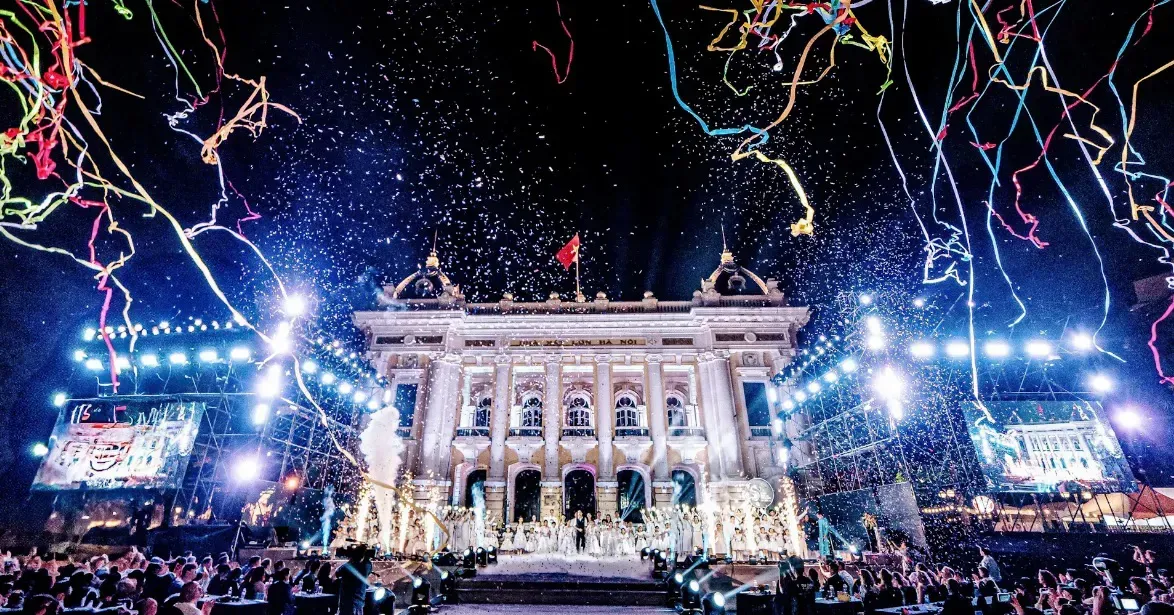
A vibrant moment at the opening ceremony of the Hanoi Creative Design Festival 2024. Photo: Thien Tu/The Hanoi Times
At the same time, People’s Artist Trinh Thuy Mui, President of the Vietnam Stage Artists Association, highlighted the importance of preserving and revitalizing traditional art forms.
With appropriate mechanisms and innovative approaches, she said that traditional theater and performing arts can reach younger audiences while contributing to a healthy spiritual life in modern society.
In an era of deep international integration and rapid digital transformation, culture’s role becomes even more pronounced. It not only safeguards national identity but also enables Vietnamese values to be shared more widely with the world. When effectively promoted, culture emerges as a powerful endogenous driving force, accompanying economic and political development.
From Party leadership thinking to the voices of intellectuals and artists, a shared consensus is taking shape: culture is a persistent spiritual source, a foundation and a vital force in awakening the aspiration for a prosperous and happy nation. Promoting cultural values and the strength of the Vietnamese people is increasingly seen as the fundamental path for Vietnam to confidently step into a new stage of development.