Culture at the core: A new governance mindset for Hanoi
Vietnam’s capital is placing culture at the heart of policymaking and urban planning, positioning itself as a test case for Resolution 80’s vision of development driven not only by economic growth, but also by identity, social cohesion and human well-being.
THE HANOI TIMES — Hanoi, drawing on its millennium-old heritage and status as Vietnam’s creative hub, is moving to the forefront of implementing Resolution 80-NQ/TW, positioning culture not as ornament, but as a central pillar and intrinsic driver of sustainable development.
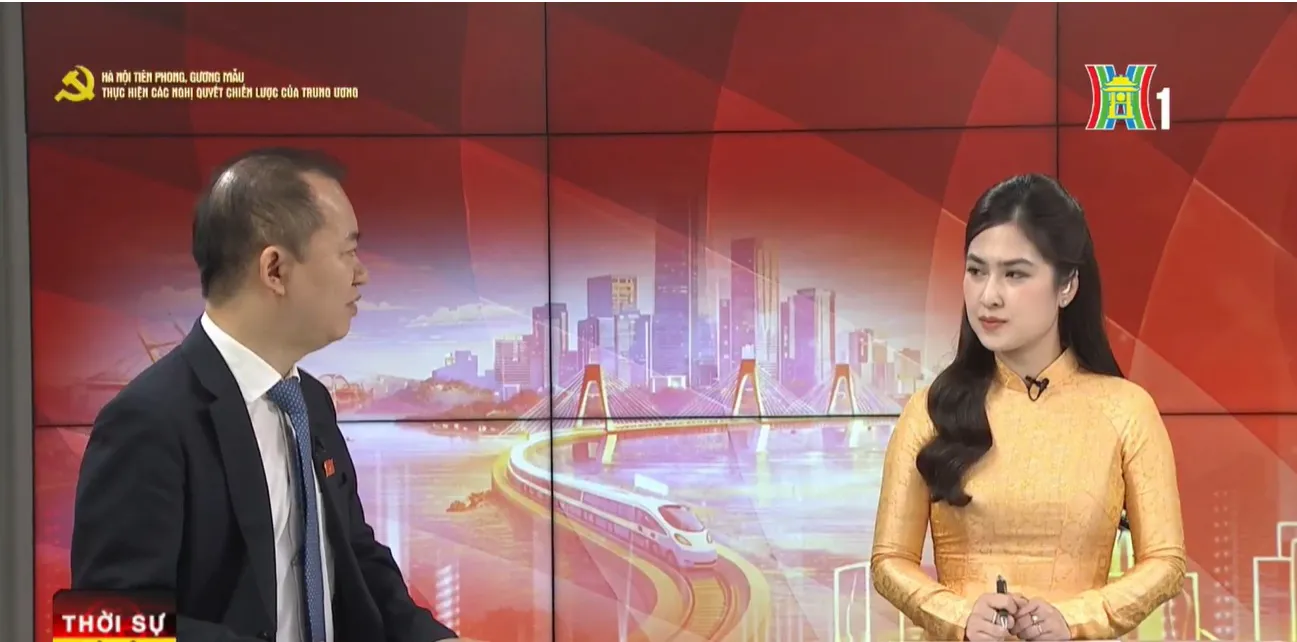
Associate Professor Bui Hoai Son speaks on Resolution 80 on Vietnamese cultural development during a live news program hosted by the Hanoi Media Group.
This view was shared by speakers invited to the studio by the Hanoi Media Group during a live news program on February 27. They offered insights into the renewed vision embedded in Resolution 80 on the development of Vietnamese culture, after it was livestreamed at a nationwide hybrid conference earlier this week.
While Resolution No. 33-NQ/TW previously placed culture “on par with economics, politics and society,” Resolution 80 goes a step further, defining culture as the foundation, pillar and regulatory system of national development.
For Hanoi, the country’s capital and a city steeped in more than 1,000 years of history, that resolution is steadily being translated into concrete policy choices and visible public initiatives.
From creative hub to model of cultural governance
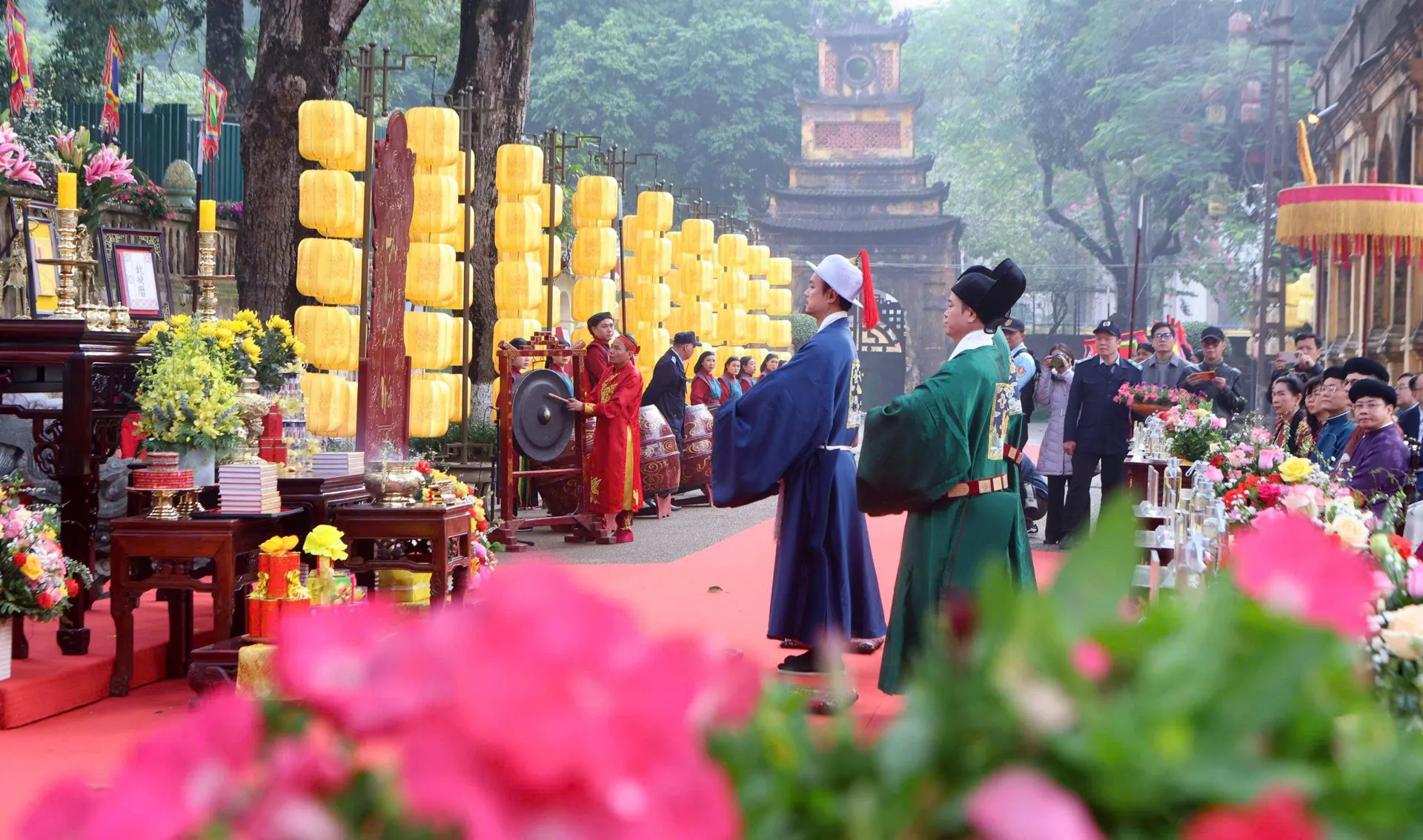
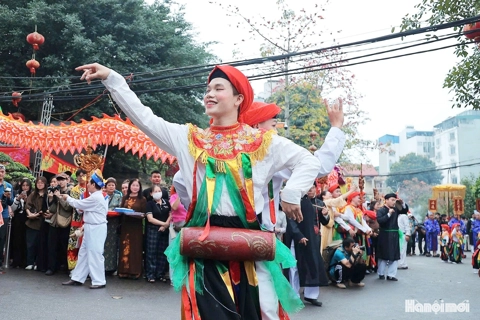
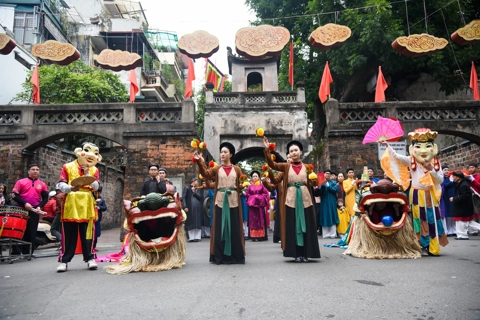
The royal Tong Cuu Nghinh Tan (Bidding Farewell to the Old Year and Welcoming the New Year) Ceremony is reenacted at the Thang Long Imperial Citadel in Hanoi during the 2026 Lunar New Year celebrations. Photo: Duy Khanh/ The Hanoi Times
Associate Professor Bui Hoai Son, a member of the National Assembly’s Committee on Culture and Society, highlighted three core tenets of Resolution 80: culture as foundation, pillar and regulator of development.
“Culture is no longer just entertainment or an adornment to life, but an endogenous driver of growth,” he said, adding that Hanoi is uniquely positioned to operationalize that vision.
The capital’s cultural industries are expanding across film, performing arts, creative design and community-based cultural spaces. Beyond enriching public life, these sectors are increasingly contributing economic value while reinforcing Hanoi’s identity as the nation’s cultural nucleus.
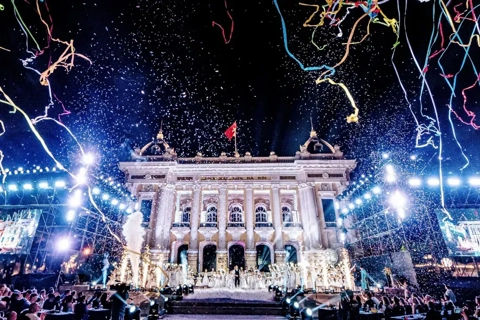
Large-scale art programs and revolutionary-themed films such as Mua Do (Red Rain) and Dia Dao: Mat Troi Trong Bong Toi (Underground Tunnels: The Sun in the Darkness), alongside nationally significant cultural events hosted in the city, have drawn sizable audiences and broad public engagement.
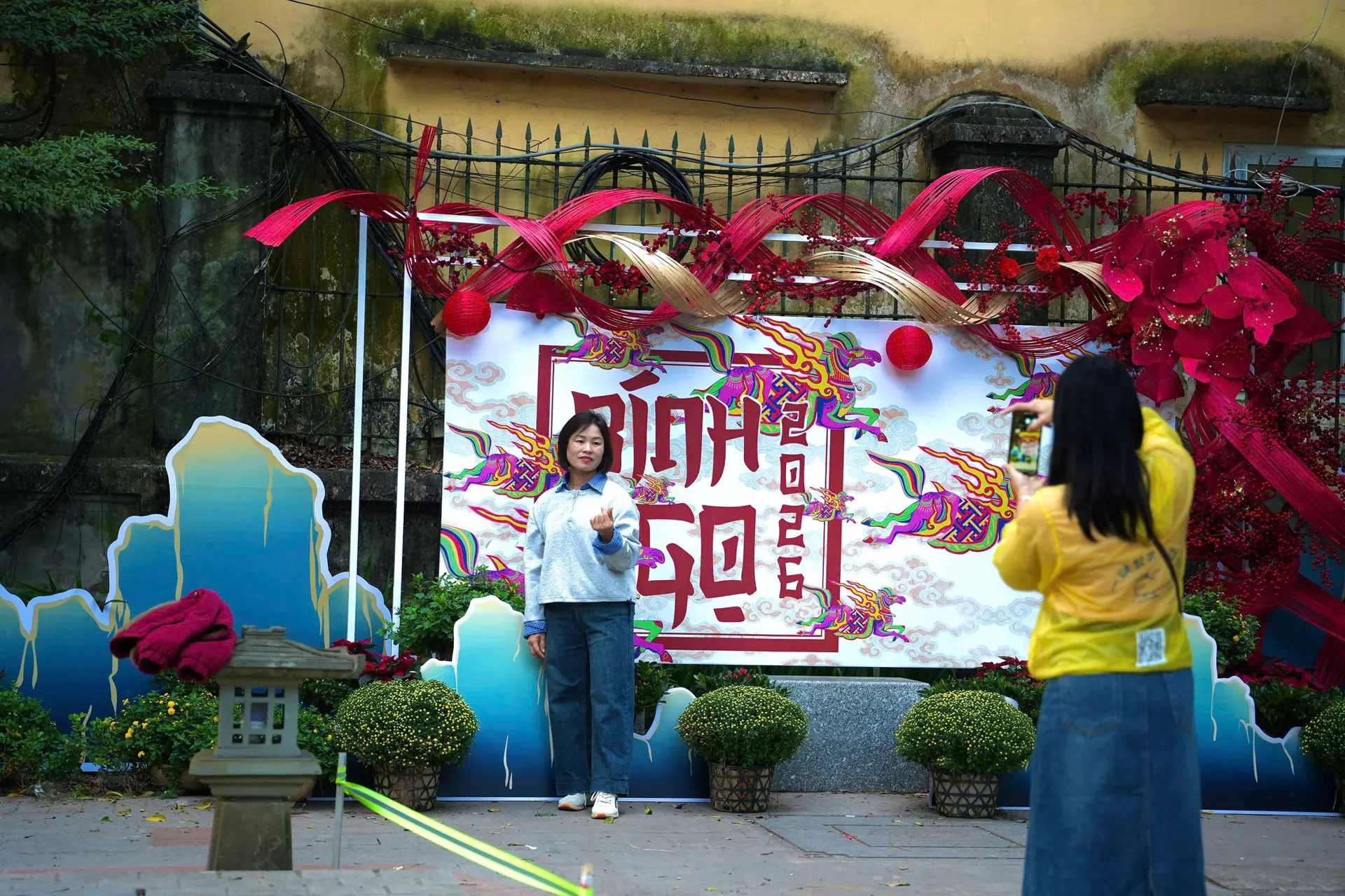
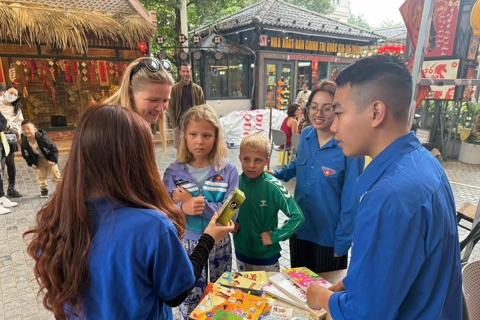
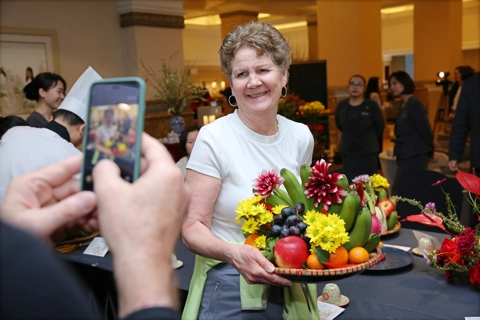
A tourist poses for photos at a brightly decorated display celebrating Vietnam’s traditional Lunar New Year in Hanoi. Photo: Duy Khanh/ The Hanoi Times
Experts say the significance extends beyond box office receipts or attendance figures. The deeper impact lies in cultivating civic pride, consolidating cultural confidence and strengthening social cohesion as intangible assets that underpin long-term growth.
When culture integrated into urban life
Hanoi’s accession to the UNESCO Creative Cities Network in 2019 marked a shift in its approach to cultural governance. The designation accelerated the development of creative spaces, public art initiatives and urban design projects that embed cultural narratives into the city’s physical landscape.
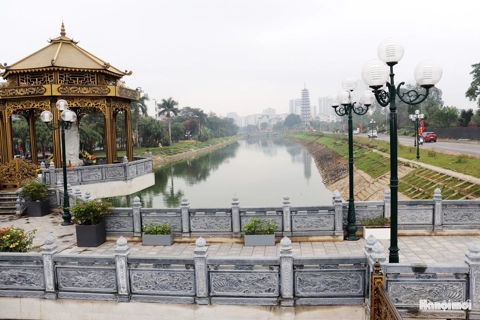
Streets are being conceived not only as transport corridors but as aesthetic landmarks. Parks are evolving from recreational grounds into venues for artistic performance and community interaction. Infrastructure projects increasingly incorporate creative elements that reflect the capital’s history and identity.
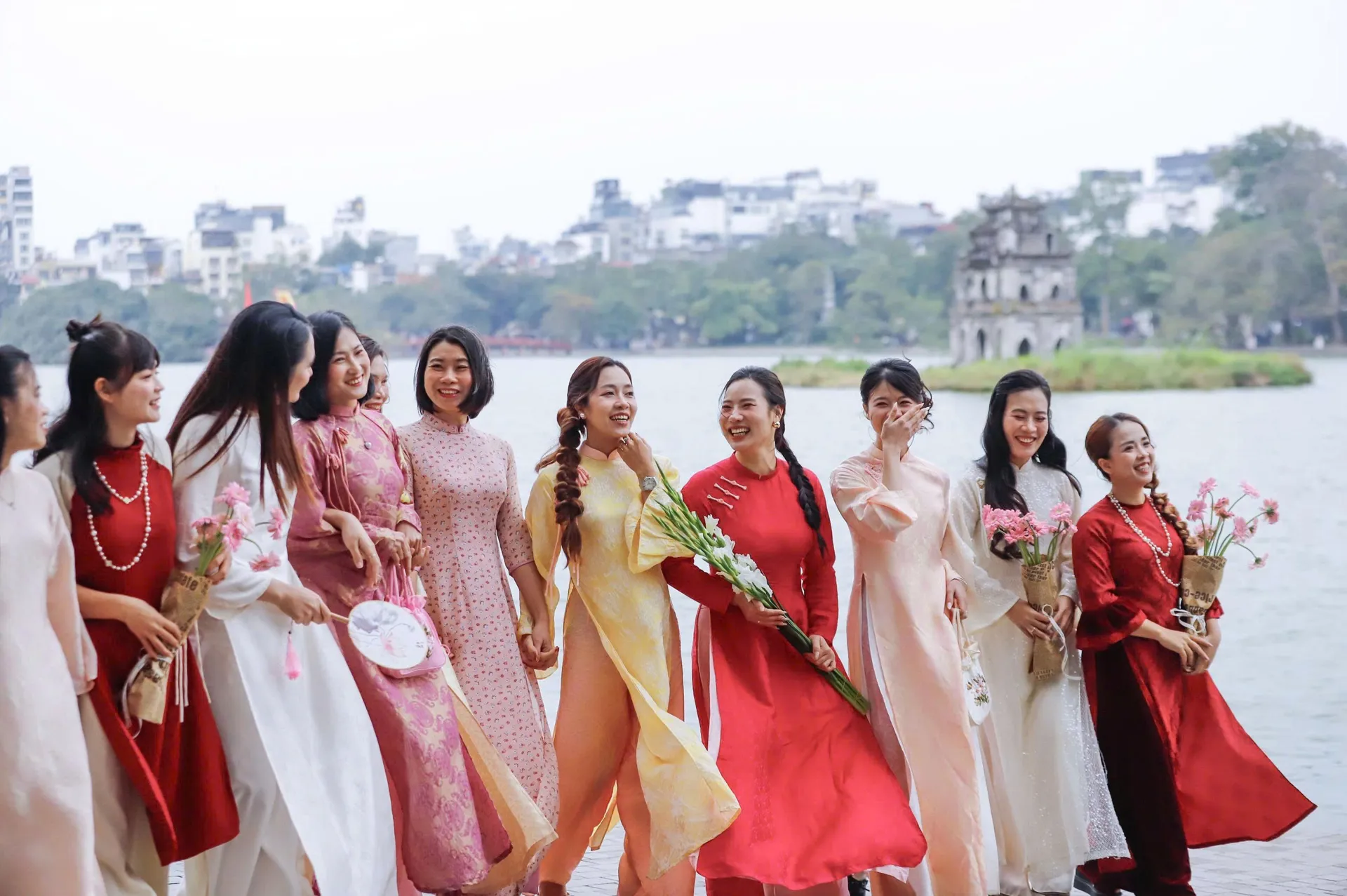
Women in traditional ao dai pose for photos during Lunar New Year celebrations at Hoan Kiem Lake. Photo: Duy Minh/ The Hanoi Times
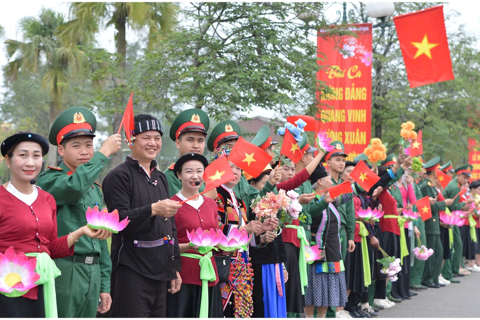
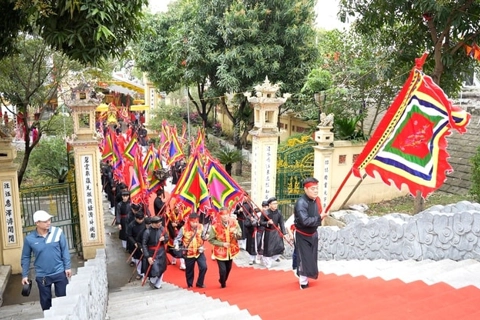
According to Sơn, the organization of the 2026 Lunar New Year celebrations in Hanoi further underscored culture’s regulatory role in social life. Public spaces were arranged with ceremony and order, community activities expanded, and awareness of civic discipline strengthened.
“Images of residents in traditional ao dai during spring festivities projected a capital that balances modern dynamism with deep-rooted heritage,” said Son.
When culture functions as a regulatory system, sectors from transportation and education to healthcare develop in greater harmony. This is a model of development that ultimately aims at the happiness of the people,” he added.
Governance anchored in cultural heritage
Hanoi holds structural advantages in heritage assets, intellectual capital and a growing pool of creative talent. Yet experts argue that the decisive factor lies not only in potential, but in governance grounded in cultural values.
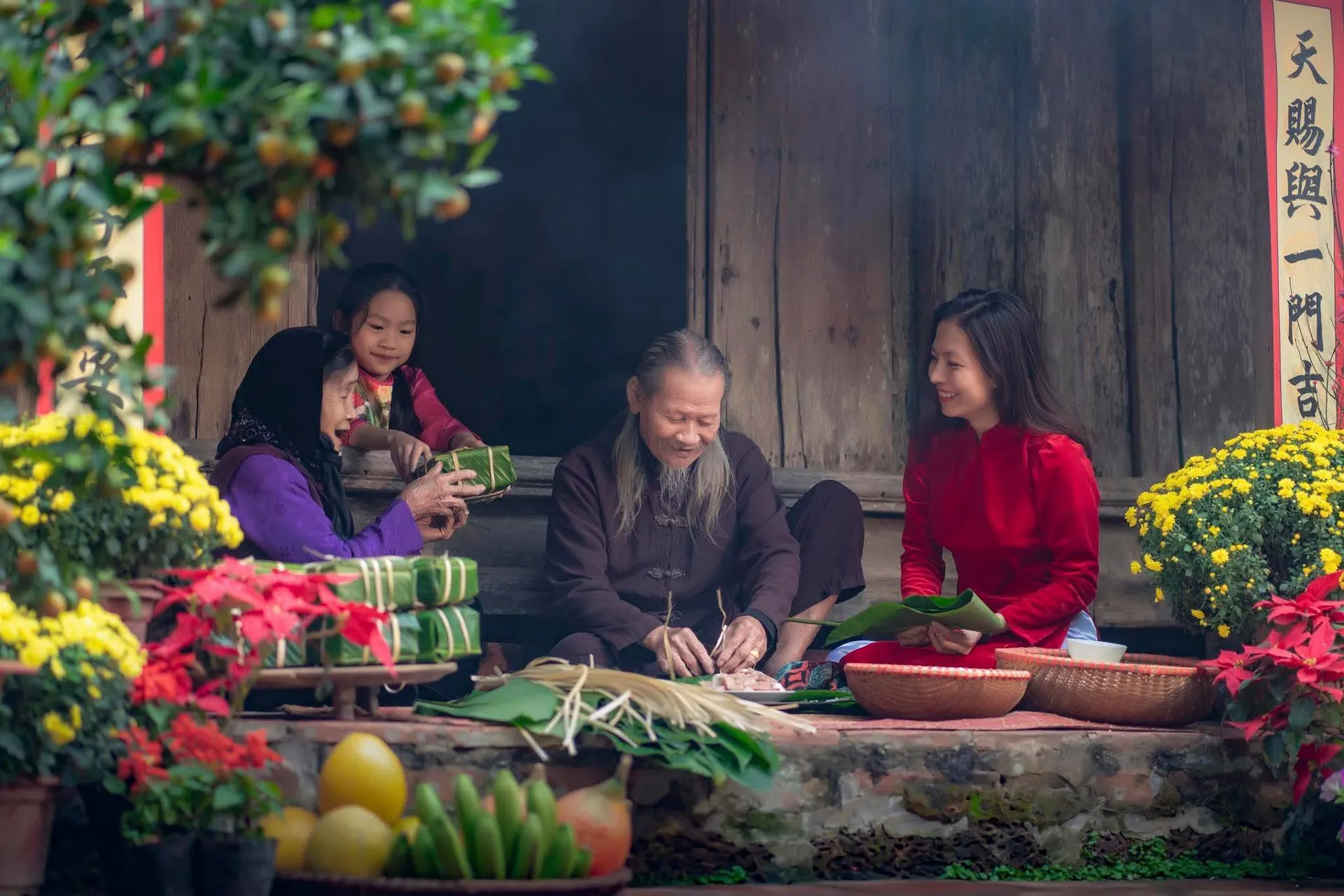
Residents prepare banh chung, the traditional Vietnamese sticky rice cake for Tet (Lunar New Year), in Duong Lam Ancient Village. Photo: Lisa May
“The resolution ushers in a new governance mindset, one that places culture at the foundation of managing the country and society. For Hanoi, this means embedding cultural values into policymaking, urban planning and everyday public conduct, rather than treating culture as a standalone sector.”
As culture assumes the role of both pillar and regulator, the capital’s development trajectory is expected to become not only faster, but more sustainable and human-centered. Building on its thousand-year legacy, Hanoi is asserting itself as a test case for realizing the resolution and shaping a national development model that places people and their well-being at its core.