Resolution 80 fuels Vietnam’s cultural industries and soft power drive
Vietnam’s cultural strategy is entering a new phase, positioning culture as a strategic pillar of growth while accelerating the development of cultural industries, creative education and heritage innovation to enhance national competitiveness and global influence.
THE HANOI TIMES — Resolution 80, issued by the Politburo in early January 2026 on developing Vietnamese culture, will create a new phase in which culture serves as a key internal resource for the sustainable development of the country.

A performance showcases Hanoi traditional folklore. Photo: Thanh Hai/The Hanoi Times
Cultural managers and artists have shared their views with the Hanoi Media Group on changes and expectations as the resolution takes effect.
Le Xuan Kieu, Director of the Center for Cultural and Scientific Activities at the Temple of Literature
Resolution 80 affirms that culture forms the mental foundation of society and a vital internal driver of sustainable growth. It places culture on par with economics, politics and social affairs and calls for turning cultural values into soft power and high-value cultural industry products. In this context, Hanoi, with its thousand-year heritage, holds major potential to develop cultural industries based on its rich legacy.
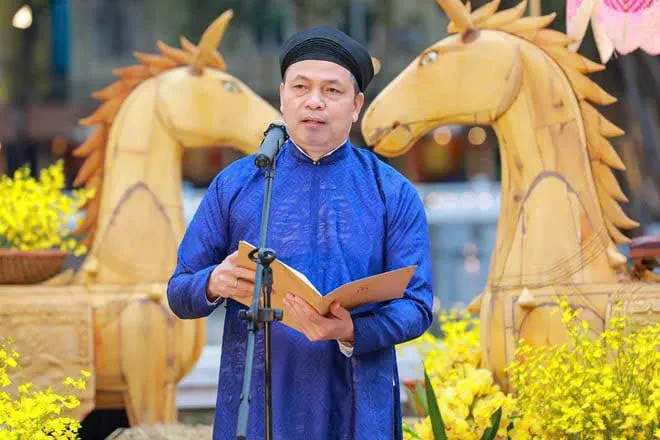
Le Xuan Kieu, Director of the Center for Cultural and Scientific Activities at the Temple of Literature. Photos: Hanoimoi Newspaper
Hanoi owns a vast heritage system, including historical sites, architecture, religious relics and intangible traditions. The resolution promotes preservation linked with active use and creativity. Heritage must live in contemporary society and inspire education, tourism, media and creative sectors. This shift transforms heritage into assets and helps build a cultural industry ecosystem in the capital.
In recent years, we have repositioned the Temple of Literature, a symbol of Vietnam’s scholarly tradition, as a dynamic cultural space rather than a static monument. In the complex, we have expanded digital archives, put projection technology into use and organized experiential programs for students and international visitors.
The development of the Van Lake area into a creative space marks a breakthrough. Once overlooked, it now hosts exhibitions, calligraphy events, traditional arts showcases, creative handicrafts and cultural exchanges. The combination of ancient landscape and contemporary ideas makes Van Lake area an open space where heritage interacts directly with the public.
To implement Resolution 80 and the Hanoi Party Committee’s Resolution 09 on cultural industries, we are building a Van Lake cultural industry hub to support young creators and expand community-focused activities.
This approach reflects the resolution’s spirit: use heritage as a foundation, creativity as a driver and the community as the beneficiary, while balancing preservation with development. Heritage should educate, foster pride and inspire innovation among younger generations. We aim to create artistic products that serve the public, attract visitors, generate revenue and promote Hanoi’s image.
People’s Artist Tran Quoc Chiem, Vice Chairman of the Vietnam Union of Literature and Arts Associations and Chairman of the Hanoi Union of Literature and Arts Associations
I think the resolution is a historic boost to national cultural life. It sets a strategic direction that reshapes leadership and management thinking and restores culture to its central role in development.
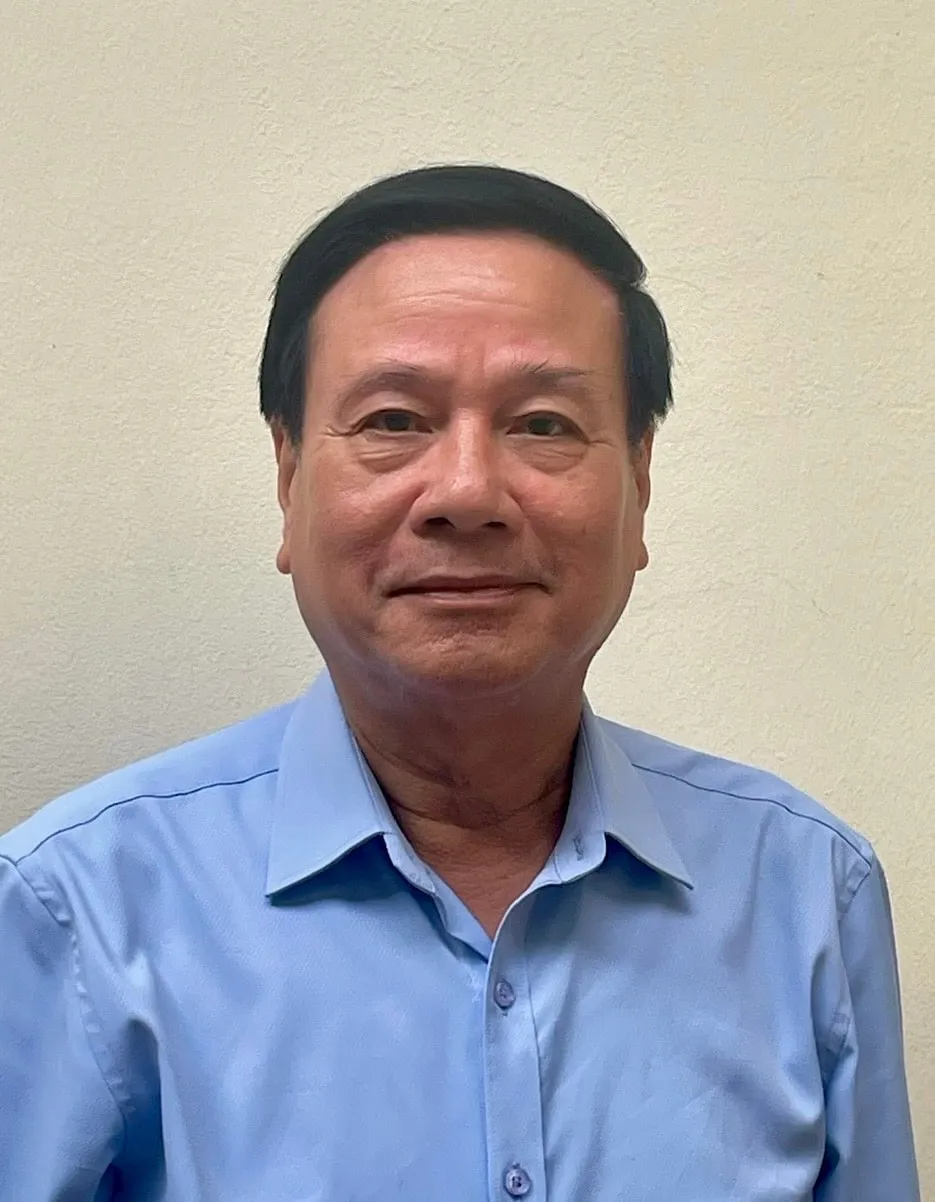
People’s Artist Tran Quoc Chiem, Vice Chairman of the Vietnam Union of Literature and Arts Associations and Chairman of the Hanoi Union of Literature and Arts Associations.
The most significant point is placing culture on equal footing with politics, economics and social affairs. In practice, culture often played a supporting role. The resolution defines it as both a mental foundation and a direct growth driver. Integrating culture into development strategies will lead to more balanced and people-centered policies.
Another breakthrough lies in shifting from control to facilitation. This approach unlocks social resources. Instead of relying solely on state funding, the policy encourages private investment and public-private partnerships. Flexible mechanisms allow artists to create freely and convert cultural value into economic contribution.
The resolution promotes soft power through cultural industries. Culture should become a competitive green sector that exports value, enhances Vietnam’s global image and safeguards cultural sovereignty online. This path preserves identity while enabling integration.
At its core, the resolution centers on people as creators and beneficiaries. Building a value system for modern Vietnamese citizens that combines national traditions with global knowledge forms a stable foundation for long-term growth. Culture must permeate families, schools and communities so citizens live responsibly and respectfully.
For Hanoi, Resolution 80 offers momentum to unlock its cultural depth and transform creative potential into development strength. As the policy takes effect, it will inspire artists and residents and contribute to a capital that is cultured, distinctive, creative and globally connected.
Colonel and People’s Artist Nguyen Xuan Bac, Vice Rector of the Military University of Culture and Arts
Resolution 80 demonstrates long-term vision in guiding cultural and artistic development. With clear goals through 2045, it identifies cultural industries and the creative economy as pillars of sustainable growth, aiming to contribute about 9% of country’s GDP. This direction carries major significance for culture and the arts.
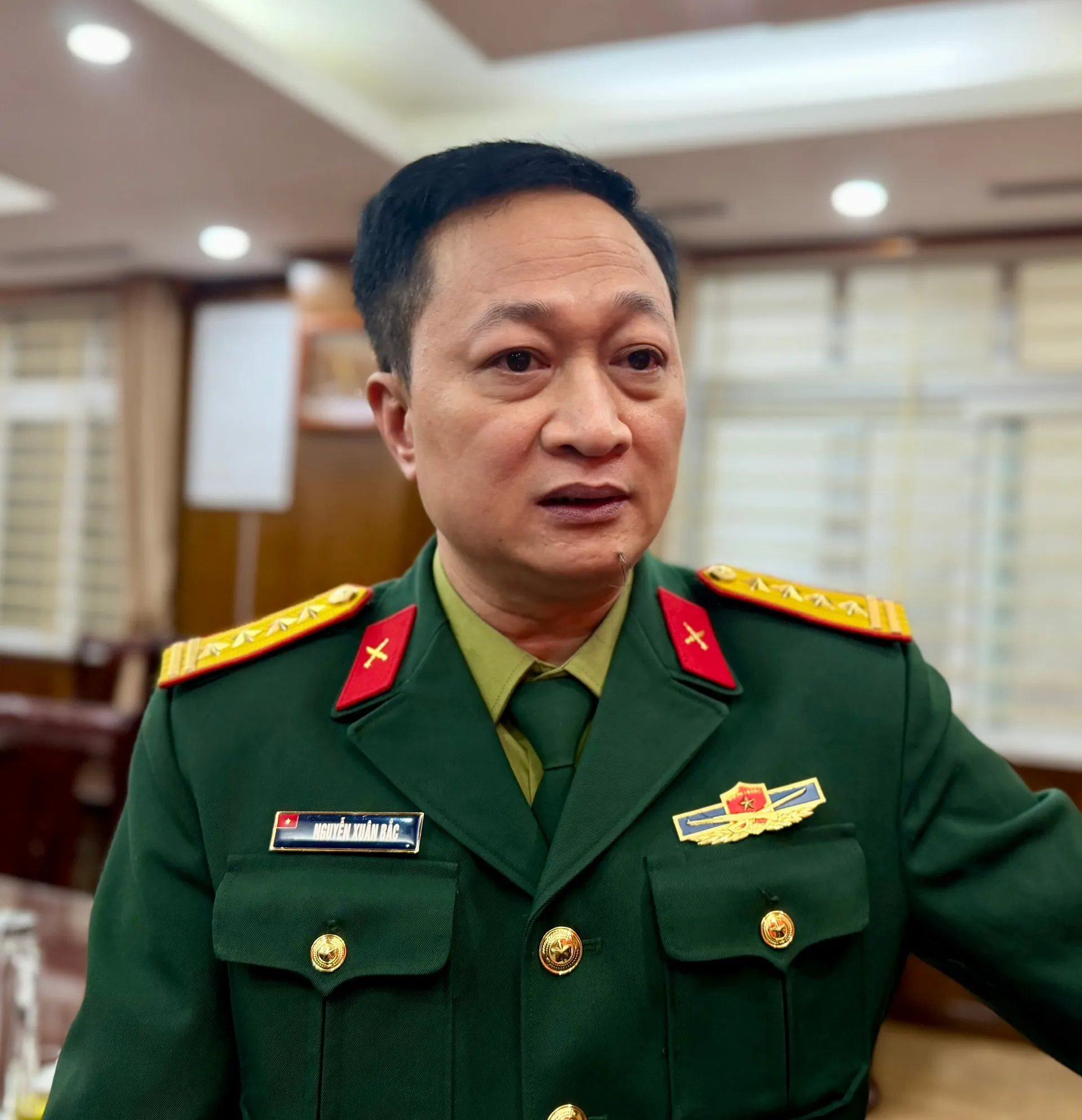
Colonel and People’s Artist Nguyen Xuan Bac, Vice Rector of the Military University of Culture and Arts.
The resolution directly affects cultural and arts education. It introduces mechanisms and incentives for educators, motivating lecturers and creating better training conditions for students and performers.
A key priority involves early exposure to arts education in schools. Allowing students to engage with culture from a young age supports character development and talent discovery. Early access enables institutions to identify and nurture talent for professional training, ensuring strong enrollment for arts programs.
With supportive learning environments, students can develop into skilled professionals who contribute to national cultural growth.
I also value the strategy to expand cultural industries from education to broader society, including digital platforms. This vision fits current realities. Artists can work within institutions or independently, collaborate and bring Vietnamese cultural products to wider audiences. This approach motivates young creators to explore diverse paths.
With its goals and vision, Resolution 80 will strengthen Vietnam’s soft power and provide a sustainable internal resource for development.
People’s Artist Tan Minh, Director of Thang Long Music and Dance Theater
Resolution 80 places culture at the center of sustainable development, with people as the focus. It emphasizes creativity, professional standards and effective use of cultural value within a market framework. Cultural industries require artistic quality alongside competitiveness and revenue.

People’s Artist Tan Minh, Director of Thang Long Music and Dance Theater.
Following Resolution 80 and Hanoi’s Resolution 09, the Thang Long Music and Dance Theater has built a strong artistic brand for the capital and become a regular destination for visitors.
We have expanded beyond our main stage, leading performances for major cultural and political events, including celebrations of the August Revolution anniversary, the National Day and the 14th National Party Congress, as well as community shows around Hoan Kiem Lake, in suburban regions and in border and island areas.
Our artists have continued to innovate and improve performance skills. They have aligned artistic expression with national development goals and conveyed renewal through stage language. In recent years, we have mixed tradition with modern expression in our shows and produced some works that have won awards and sold out performances.
Human-centered development remains the guiding principle. We have invested in youth talent programs and school-stage initiatives.
All creative work centers on people. Even with modern staging, productions retain strong humanistic values. At the theater, we have developed innovative performances that approach regional standards, attracted young and international audiences and contributed to Hanoi’s service economy. Each show generates revenue, supports employment and strengthens the capital’s cultural sector.