Green, digital, circular economy to drive Hanoi’s sustainable growth: expert
Green, digital and circular economic models are becoming strategic drivers for Hanoi’s next growth phase, helping the capital enhance productivity, strengthen competitiveness and build a more sustainable, innovation-led economy aligned with national development goals.
THE HANOI TIMES — Green, digital and circular economic models are emerging as essential pillars to improve productivity, quality and competitiveness in Hanoi’s economy. Nguyen Ngoc Tiep, Head of the Economic Research Department at the Hanoi Institute for Socio-Economic Development Studies, speaks to Hanoimoi Newspaper about this topic.
How important are green, digital and circular economies in meeting the 14th National Party Congress’ goals on growth model renewal, restructuring and sustainable development?
The green, digital and circular economies represent inevitable trends and strategic pillars for achieving growth targets. Among them, the digital economy serves as the main driver that shapes new production forces and growth models. It opens space for new business models, strengthens innovation and increases transparency in the legal environment, which in turn boosts investor confidence and supports rapid expansion.
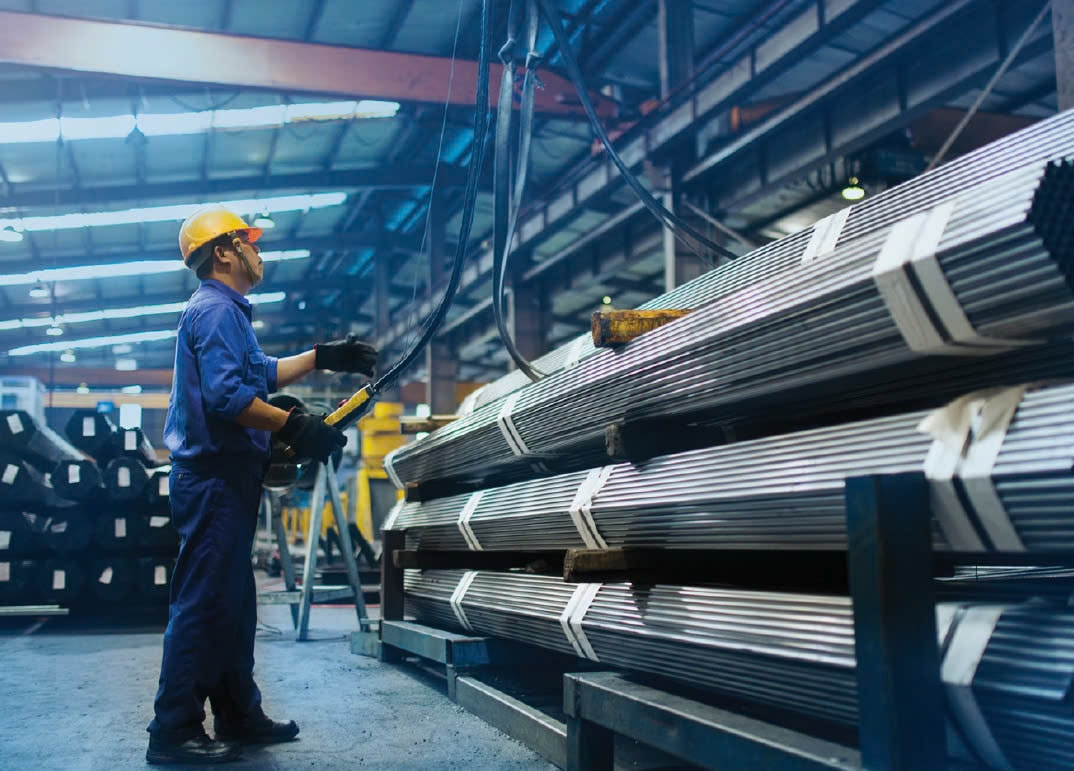
Steel pipe production at a factory of Hoa Phat Group. Photos: Hanoimoi Newspaper
At the same time, the green economy promotes sustainable development by balancing growth, environmental protection and social equity. Green development helps Vietnam meet its net-zero commitments, reduce dependence on resource extraction, cut pollution and strengthen climate resilience.
The circular economy supports restructuring toward higher efficiency and sustainability. By converting waste into secondary resources, it develops recycling industries, eco-industrial systems and renewable energy sectors with high added value. This approach lowers input costs, attracts high-quality green investment and creates new development space.
What breakthroughs should policymakers prioritize to ensure these models become real growth drivers?
The three models connect closely and reinforce one another, forming the foundation of a new growth strategy. From an institutional perspective, several breakthroughs can unlock their potential.
First, Vietnam needs to complete a modern and globally integrated market economy framework, shifting from administrative control to development governance based on innovation and long-term efficiency.
Second, reforms should prioritize science, technology, innovation and digital transformation. Authorities need strong data governance mechanisms, clear research commissioning frameworks and faster commercialization of scientific and technological results.
Third, policymakers should promote green growth and the circular economy through clear standards and technical regulations, along with market tools such as carbon credits, green finance and green public procurement.
These reforms will build an ecosystem that encourages innovation, efficient resource use and sustainable production. When implemented effectively, they will help Vietnam move toward high-quality growth driven by technology, sustainability and productivity gains.
As Vietnam commits to net-zero emissions by 2050, what opportunities and challenges do businesses face in adopting green and circular models?
The transition offers Vietnamese businesses a major opportunity to enhance competitiveness and deepen global integration. By meeting environmental, social and governance standards, companies can strengthen their position in global supply chains, build brand credibility and avoid exclusion as markets shift toward sustainability. The transition also expands access to green finance, clean technologies and supportive government policies.

Nguyen Ngoc Tiep, Head of the Economic Research Department at the Hanoi Institute for Socio-Economic Development Studies.
However, limited resources and weak transformation capacity remain major obstacles, especially for small and medium-sized enterprises, which account for about 98% of the country’s more than 940,000 businesses. Many firms still rely on traditional production models and face constraints in capital, skilled labor and technology. Their awareness and ability to design and implement ESG-compliant roadmaps remain modest.
Low participation in industry ecosystems and value chains further increases transition costs and complicates coordinated ESG adoption. Addressing these constraints will prove crucial for long-term adaptation and growth.
What recommendations do you have for Hanoi and other localities to balance economic growth, environmental protection and human development in line with the 14th National Party Congress’ orientations?
To realize long-term goals, Hanoi and other provinces should pursue a “dual transformation” strategy that combines digital transformation with green transition.
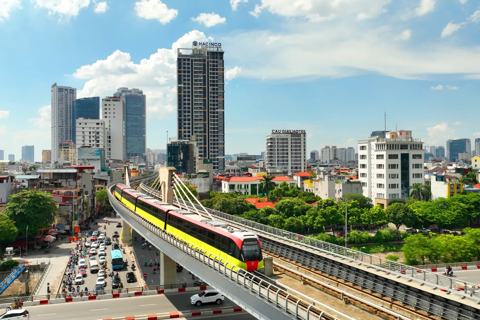
Hanoi can lead by advancing green urban development, expanding eco-friendly public transport, increasing renewable energy use and managing waste through circular models. Applying big data and artificial intelligence in urban planning, traffic control, energy, water and waste systems can help align growth with environmental protection while improving public services.
People must remain at the center of development. Authorities should link economic expansion with stronger human capital and higher living standards. Local governments need to invest in education, healthcare, science and technology, digital skills and green skills. Social protection policies should ensure fair access to public services and a safe, livable environment during the transition.
To turn strategy into action, authorities must maintain a stable and transparent legal framework. Clear policies and investment stability will mobilize social resources for sustainable projects.
When government acts as an enabling partner and supports businesses and citizens through transparent rules, economic growth, environmental protection and human development can move forward together, helping Hanoi and other localities achieve the strategic targets set by the 14th National Party Congress.
Thank you for your time!