Removal of bottlenecks essential to accelerate Hanoi’s growth: experts
With new powers in hand and long-stalled projects back on the agenda, Hanoi is moving to turn institutional reform into concrete construction, betting that streamlined approvals and greater autonomy will transform persistent bottlenecks into momentum for a new phase of urban growth.
THE HANOI TIMES — Entering 2026 with a push for decisive action, Hanoi is using newly granted special mechanisms to remove long-standing bottlenecks in investment, land clearance and urban renewal, aiming to speed up key projects and strengthen the capital’s growth momentum.
Through administrative reform, stronger decentralization and efforts to build social consensus, breakthrough decisions are expected to unlock resources, speed up key infrastructure projects and open new development opportunities for the capital, experts told Hanoimoi Newspaper.
Nguyen Minh Phong, Economic Advisory Council member, Central Committee of the Vietnam Fatherland Front
Cumbersome administrative procedures, overlapping legal regulations and limited local authority have long hindered major projects. These constraints have delayed progress from the investment approval stage, raise costs and reduce efficiency.
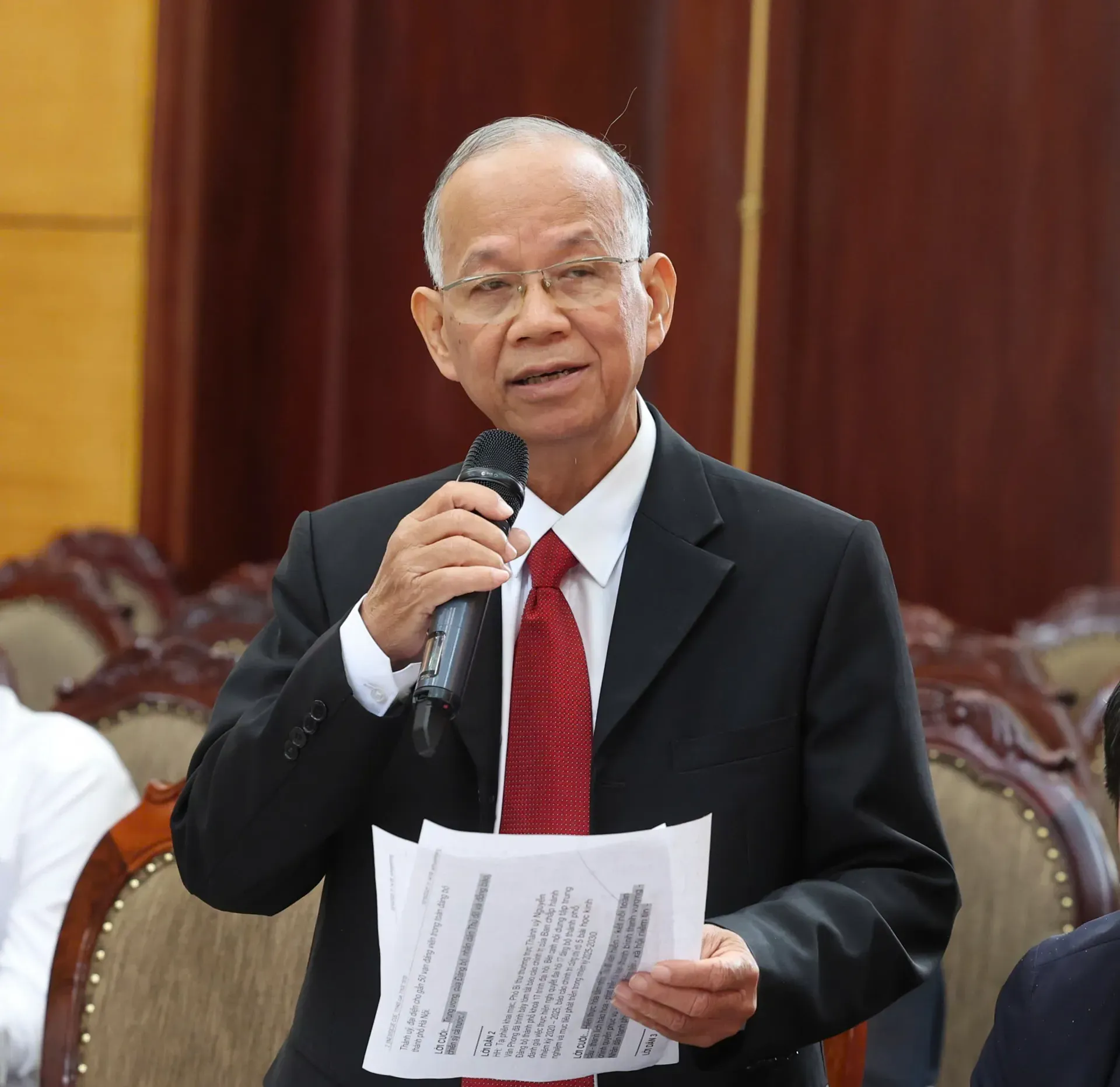
Nguyen Minh Phong, Economic Advisory Council member under the Central Committee of the Vietnam Fatherland Front. Photo: The Hanoi Times
In this context, the National Assembly’s Resolution 258, passed in December 2025, is widely viewed as a major institutional breakthrough. It grants Hanoi greater authority over investment, planning, construction, land management and finance for large-scale projects.
The mechanism applies to public investment, PPP projects, strategic investor initiatives and urban renovation efforts aimed at addressing chronic urban challenges such as traffic congestion, flooding and environmental pollution.
By cutting intermediary steps and shortening decision timelines, the policy allows the city to conduct detailed planning, design appraisal, investor selection and even begin construction in parallel with licensing procedures.
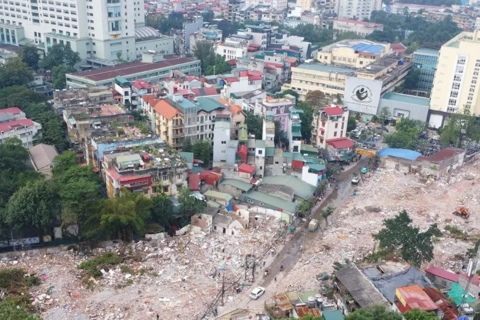
Specifically, land clearance timelines can be shortened by allowing projects to proceed once a required consensus threshold is met, rather than requiring unanimous approval. This change is expected to prevent prolonged delays and capital stagnation.
In addition, Resolution No. 85/2025 adopted by the Hanoi People's Council in December 2025 establishes transparent criteria and procedures governing major projects from proposal to implementation.
To ensure these mechanisms deliver results, experts stress the need to deepen administrative reform, strengthen project management capacity, improve transparency and enhance public oversight, enabling Hanoi’s major projects to advance at the pace envisioned.
Dao Ngoc Nghiem, Vice Chairman of the Vietnam Urban Planning and Development Association
The Standing Board of the Hanoi Party Committee has shown strong determination and taken decisive steps to secure resources for key projects, stimulate growth and implement the National Assembly’s Resolution 258.
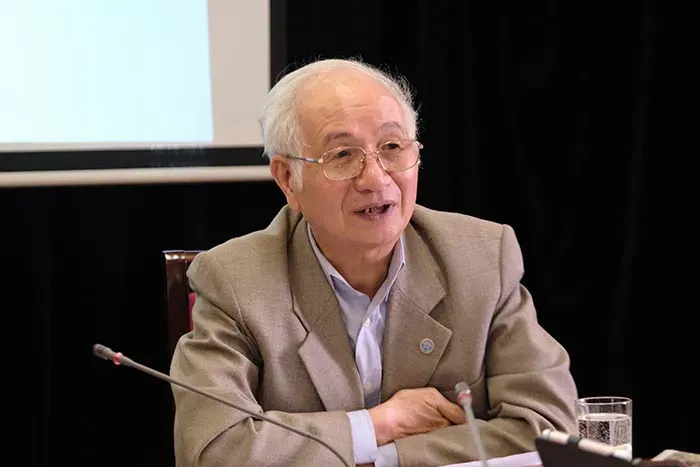
Dao Ngoc Nghiem, Vice Chairman of the Vietnam Urban Planning and Development Association. Photo: The Hanoi Times
The capital’s proactive, flexible and determined approach aligns with institutional breakthroughs from the central government. Rather than remaining pilot measures, new mechanisms are becoming practical tools to resolve long-standing bottlenecks in infrastructure investment, land clearance and urban renewal.
It is notable that Hanoi is acting early, preparing resources, refining procedures and organizing implementation in parallel instead of waiting for perfect conditions. As institutional barriers ease, urban development space can expand, social trust can strengthen and private and community resources can be mobilized more effectively.
Looking ahead, early actions in 2026 are helping shape a clear development framework built on three pillars: institutions, planning and new growth models. Among these, institutional reform is the breakthrough that enables planning to translate into reality and opens the way for green growth, digital transformation, innovation and sustainable development.
Achieving high growth in 2026 and maintaining double-digit expansion thereafter will be challenging but feasible. With key projects unblocked and land and social resources used more efficiently, Hanoi can significantly improve growth quality, urban livability and long-term competitiveness.
Nguyen The Diep, Vice Chairman of the Hanoi Real Estate Club
The National Assembly’s Resolution 258 on special mechanisms for major projects in Hanoi is a breakthrough decision that gives the city greater autonomy in project implementation.
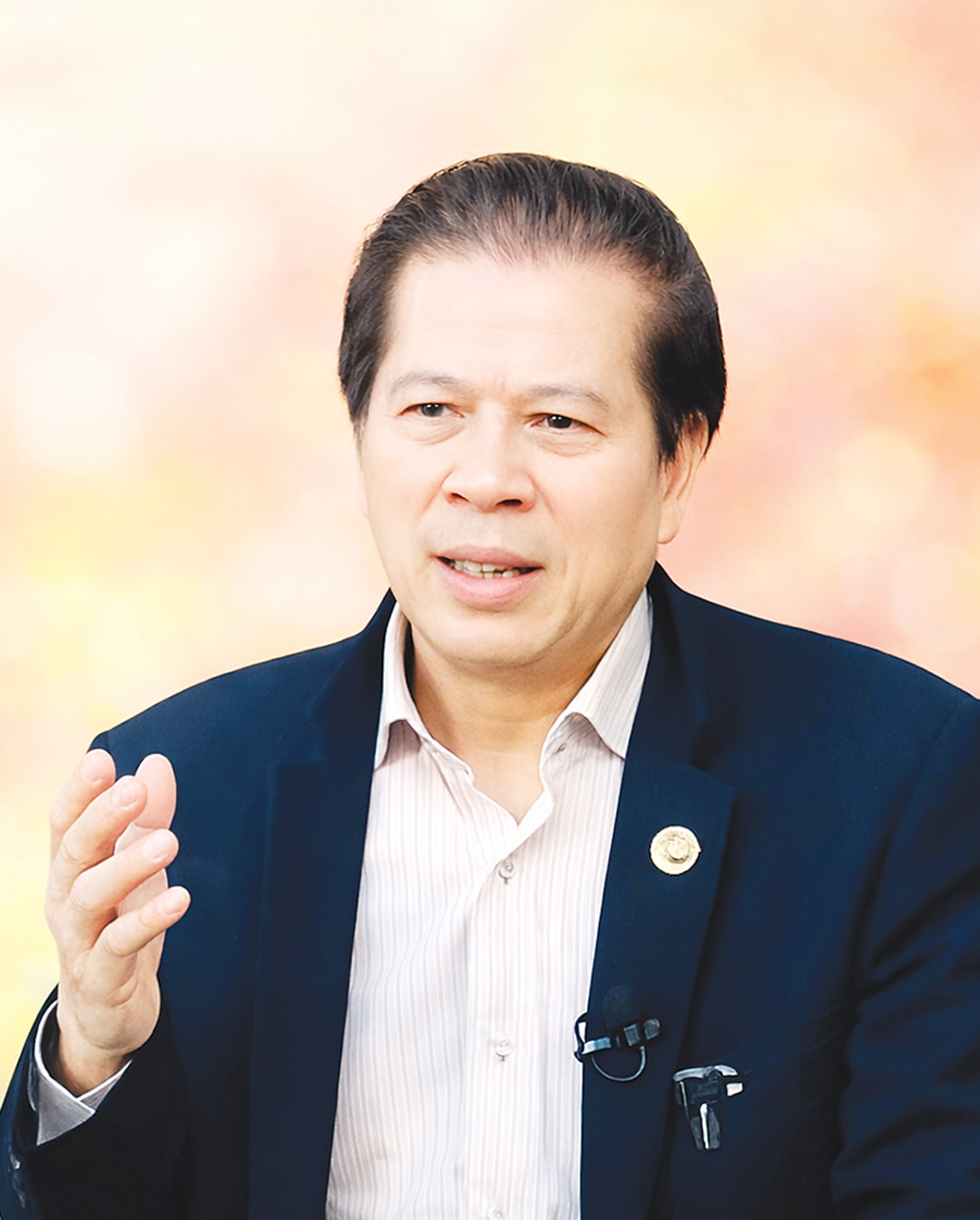
Nguyen The Diep, Vice Chairman of the Hanoi Real Estate Club. Photo: Hanoimoi Newspaper
Under the resolution, Hanoi can set compensation, support and resettlement levels higher than current regulations. This is widely seen as the “key” to unlocking one of the most persistent bottlenecks facing major projects: site clearance.
Many projects have stalled for decades because of land prices and the wide gap between official compensation frameworks and market values. When residents’ legitimate interests are not adequately addressed, achieving consensus becomes nearly impossible.
Equally significant is the decision to lower the approval threshold for rebuilding old apartment blocks to 75%. Previously, near-unanimous consent requirements created prolonged deadlock. As a result, hundreds of deteriorating and unsafe buildings remained untouched, wasting valuable urban land and social resources.
Reducing the threshold ensures majority participation while preventing a small minority from blocking redevelopment. This approach aligns with international practice and reflects modern urban governance that prioritizes community safety and shared benefits.
If implemented effectively, these mechanisms could accelerate infrastructure projects, enable the safe reconstruction of aging housing, improve living conditions and strengthen Hanoi’s ability to mobilize land resources for long-term development.