Erex seeks to convert Vietnam’s coal plants to biomass in clean energy shift
Such projects will positively impact the energy sector and bilateral cooperation.
THE HANOI TIMES — Erex Corporation is looking to invest in biomass power projects and convert existing coal-fired power plants to biomass energy in Vietnam.

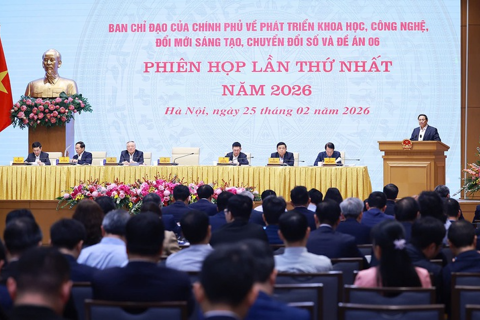
Overview of the meeting between Deputy Prime Minister Nguyen Chi Dung (r) and Erex CEO Honna Hitoshi. Photo: VGP
Honna Hitoshi, Chairman and CEO of the Japan-based corporation, shared this intention during a meeting with Deputy Prime Minister Nguyen Chi Dung on July 4.
Biomass power is a form of renewable energy produced by using organic waste, such as crops, forestry residues, and agricultural waste, to generate electricity.
According to the Electricity Regulatory Authority under the Ministry of Industry and Trade, Vietnam currently has nine biomass power plants with a total capacity of about 332 MW. An additional 14 plants are expected to come online by 2030, adding approximately 300 MW to the national grid.
Erex is one of Japan’s leading biomass energy corporations. The company plans to develop raw material supply areas, invest in biomass power projects, and convert coal-fired plants to this cleaner energy source in Vietnam.
Erex has already developed several biomass power projects in Vietnam, including a 20 MW plant in Hau Giang and 50 MW plants in Yen Bai and Tuyen Quang.
The Vietnamese government views renewable energy, including biomass, as essential to achieving its goal of net-zero emissions by 2050.
According to Power Development Plan VIII, the target installed capacity for biomass and waste-to-energy is around 2,270 MW by 2030.
At the meeting, Deputy Prime Minister Nguyen Chi Dung welcomed Erex's efforts to introduce biomass power technology to Vietnam. He affirmed that such projects would contribute positively to the energy sector and bilateral cooperation.
Dung encouraged the corporation to further invest in coal-biomass co-firing projects and support Vietnam’s energy transition. He proposed that Erex collaborate with relevant authorities to implement projects in line with national laws and development plans.
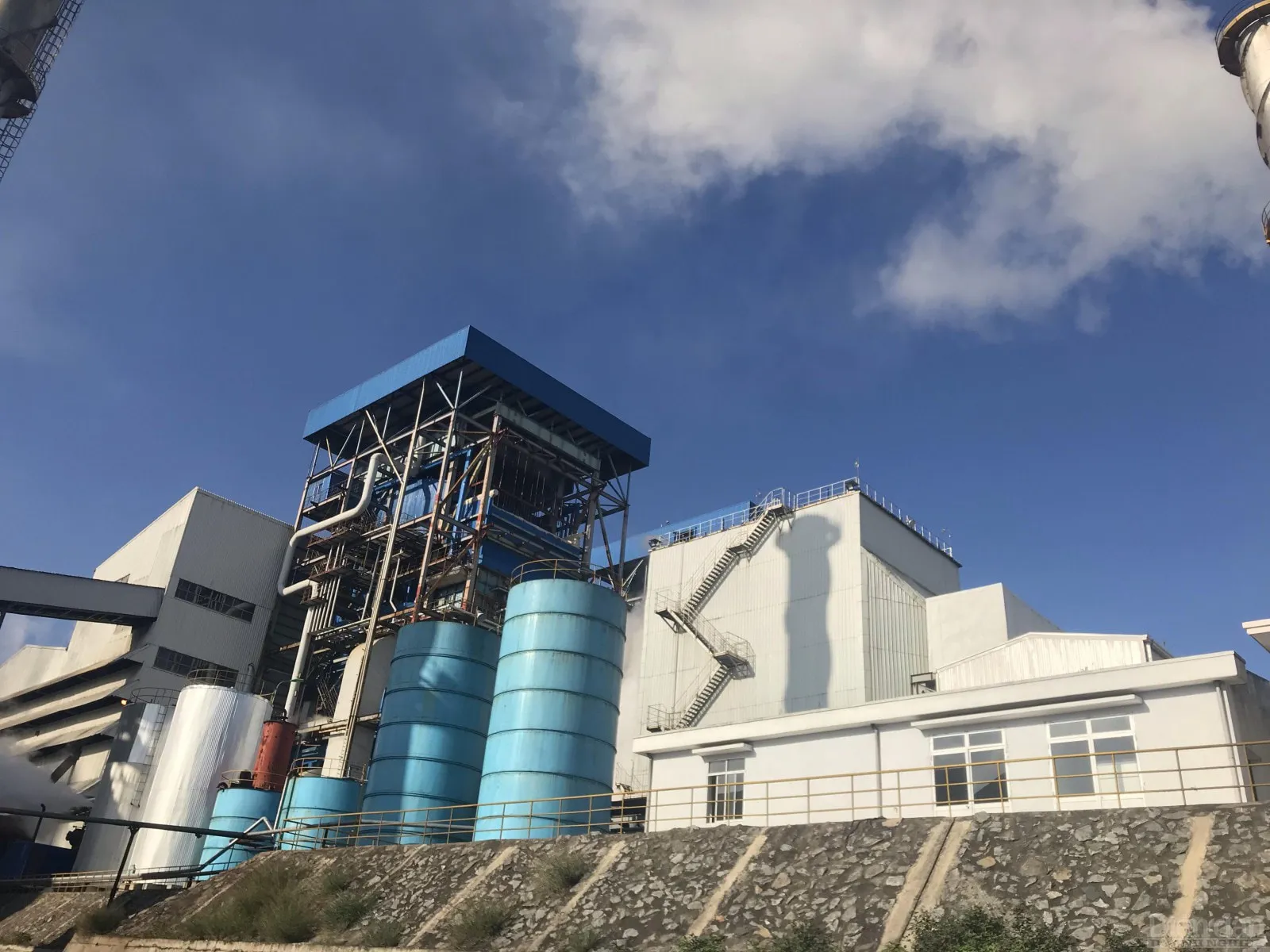
An Khe Biomass Power Plant. Source: Enternews
The deputy prime minister reaffirmed that Vietnam supports Japanese companies expanding their investments and partnering with Vietnamese firms to help them integrate more deeply into Japan’s global supply chains, particularly in sectors such as semiconductors, renewable energy, and biomass.
During the meeting, Honna proposed discussing biomass electricity pricing and exchange rates in power agreements and offered scholarships to help Vietnam in renewable energy and semiconductors.
Meanwhile, Dung noted that the pricing framework is based on factors, including the competitiveness of biomass power, its impact on power purchase prices, and existing project data. “The support mechanism for biomass power generation must be balanced and harmonized with other power sources,” he stated.
He also requested that Erex provide project data from Yen Bai 1 and Tuyen Quang to Vietnam Electricity (EVN) so that EVN can use it as a basis for proposing a pricing framework for the next phase.
Regarding exchange rate adjustments in power purchase agreements, he explained that these policies are applied only under certain circumstances and must comply with current regulations.