Hanoi exceeds energy efficiency targets with stronger public and business action
Hanoi exceeded its 2021–2025 energy efficiency targets, saving 705.7 kTOE and cutting power losses to 3.4%, thanks to citywide participation from households, businesses and public organizations.
THE HANOI TIMES — Hanoi has achieved and exceeded all targets under its Program on Economical and Efficient Energy Use for the 2021–2025 period, according to the city’s Department of Industry and Trade.
The city saved a total of 705.7 kTOE (kilo tons of oil equivalent) of energy, equal to 8.26% of projected demand and surpassing the goal of 5%–7%. Power losses across the city was 3.4%, below the 4% target.
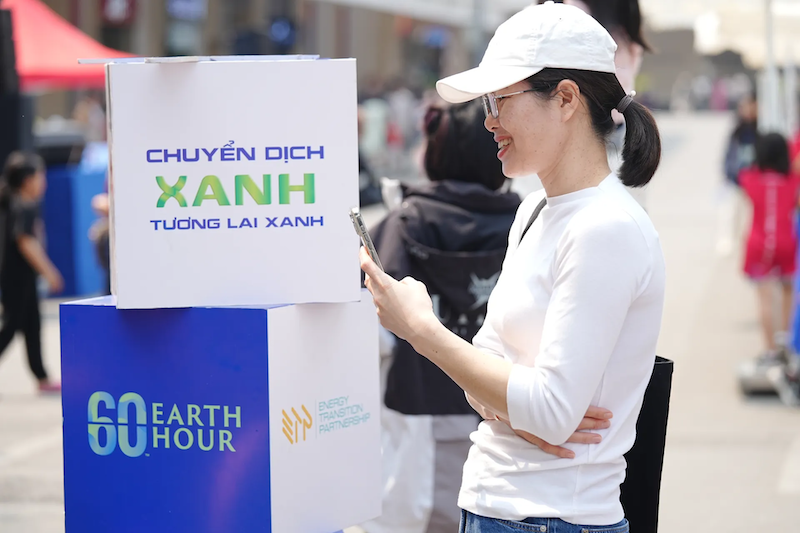
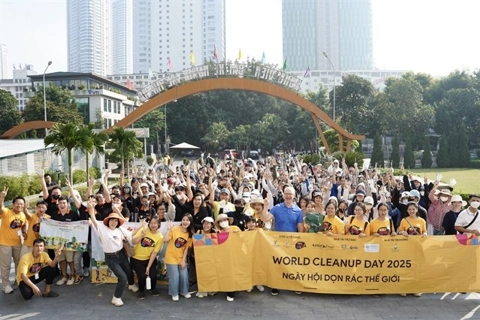
A local joins the Earth Hour 2025 event, themed "Green Transition - Green Future", held in March 2025 in Hanoi. Photos: Ngoc Mai/The Hanoi Times
All major transport companies now train their drivers in energy-saving techniques and vehicle operation skills.
In industrial production, all enterprises in industrial parks and clusters, along with 80% of rural and craft facilities, have adopted energy-efficient solutions.
All major energy-consuming units have implemented energy management systems as required.
Hanoi has recognized 330 facilities and buildings as “green energy users.” Twelve facilities received national awards for efficient energy use and 5,000 technical staff and energy managers completed training programs.
Every school in the city now includes lessons and campaigns on energy-saving practices, exceeding the target of 60%.
The department said these results show a rising awareness among residents, businesses and organizations about energy conservation and emissions reduction.
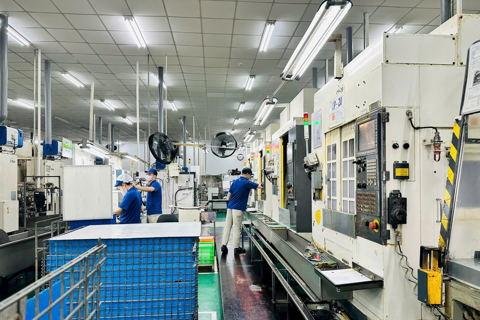
Many enterprises now use high-performance equipment, advanced technologies and energy-saving solutions while replacing outdated machinery. They have also applied modern management systems to improve efficiency, especially in energy-intensive sectors.
At Star Fashion Co Ltd in Phu Nghia Industrial Park, rooftop solar panels save the company about VND4.1 billion (US$155,760) a year and cut carbon emissions by nearly 1,100 tons annually.
The company also uses variable frequency drives for large compressors and dryers and runs energy-efficient central air-conditioning systems to reduce power use further.
In Quang Minh Industrial Park, a manufacturer saved more than VND1 billion (US$38,000) a year after switching to LED lighting and adding frequency drives to motors, lowering both energy use and CO₂ emissions.
Nguyen Dinh Thang, Deputy Director of the Hanoi Department of Industry and Trade, said that the department has cooperated with relevant agencies to support energy audits and management systems at production sites.
“These initiatives help enterprises cut energy use, improve efficiency and lower average energy intensity across industries compared to previous years,” he said.
At the household level, communication campaigns on energy efficiency have become a regular part of community programs.
Local authorities encourage families to adopt small but effective habits, such as adjusting air conditioners and refrigerators, unplugging unused devices and turning off lights and appliances when not needed.
Nguyen Ngoc Lan, a resident of Ngoc Ha Ward, said that she started using eco-friendly settings and unplugging devices when not in use to save power and make her home safer.
Despite the progress, challenges remain. Many businesses face frequent staff changes among energy managers, disrupting continuity. Industrial facilities still find it difficult to measure energy efficiency accurately and high initial costs limit the adoption of advanced technologies.

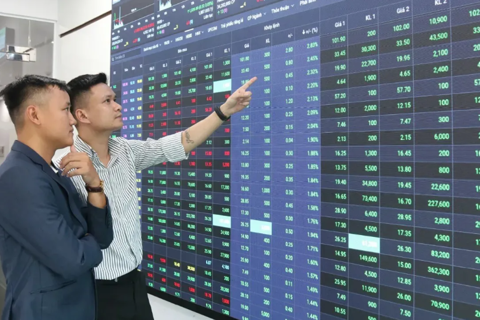
Hanoi's businessmen discuss ways to save energy in production. Photo: Hoai Nam/The Hanoi Times
To solve these issues, the department will strengthen cooperation with related agencies to expand training and technical support for industrial producers, construction operators and households.
The agency will continue to help enterprises conduct audits, develop management systems and apply practical, cost-effective energy solutions.
From 2026 to 2030, Hanoi aims to cut total energy use by 8%–10% and keep power loss below 4%, under the National Program on Economical and Efficient Energy Use.
By 2030, the city expects to reduce greenhouse gas emissions from energy activities by 15% compared to the business-as-usual scenario.
The municipal government also targets annual electricity savings of at least 2.2% across key sectors such as industry, commerce, services, construction and agriculture.
All enterprises in industrial parks, clusters, rural industries and craft villages will continue applying energy-efficient measures.
The city will cut fuel use in transport by 5% compared to projected demand, recognize 330 facilities and buildings as “green energy users” and certify two to three national-level green buildings each year.
Additionally, 5,000 technical officers will receive training, with 250–300 certified as energy managers.