Hanoi Party Secretary outlines priorities to drive sustainable growth in 2026
Hanoi has placed private sector growth, technological application and digital transformation at the center of its 2026 governance agenda, signaling a firm shift from policy intent to measurable action.
THE HANOI TIMES — Nguyen Duy Ngoc, Secretary of the Hanoi Party Committee, has outlined 12 key tasks to implement the city’s 2026 action theme: “Discipline, professionalism – Breakthrough, innovation – Efficiency, sustainability”.
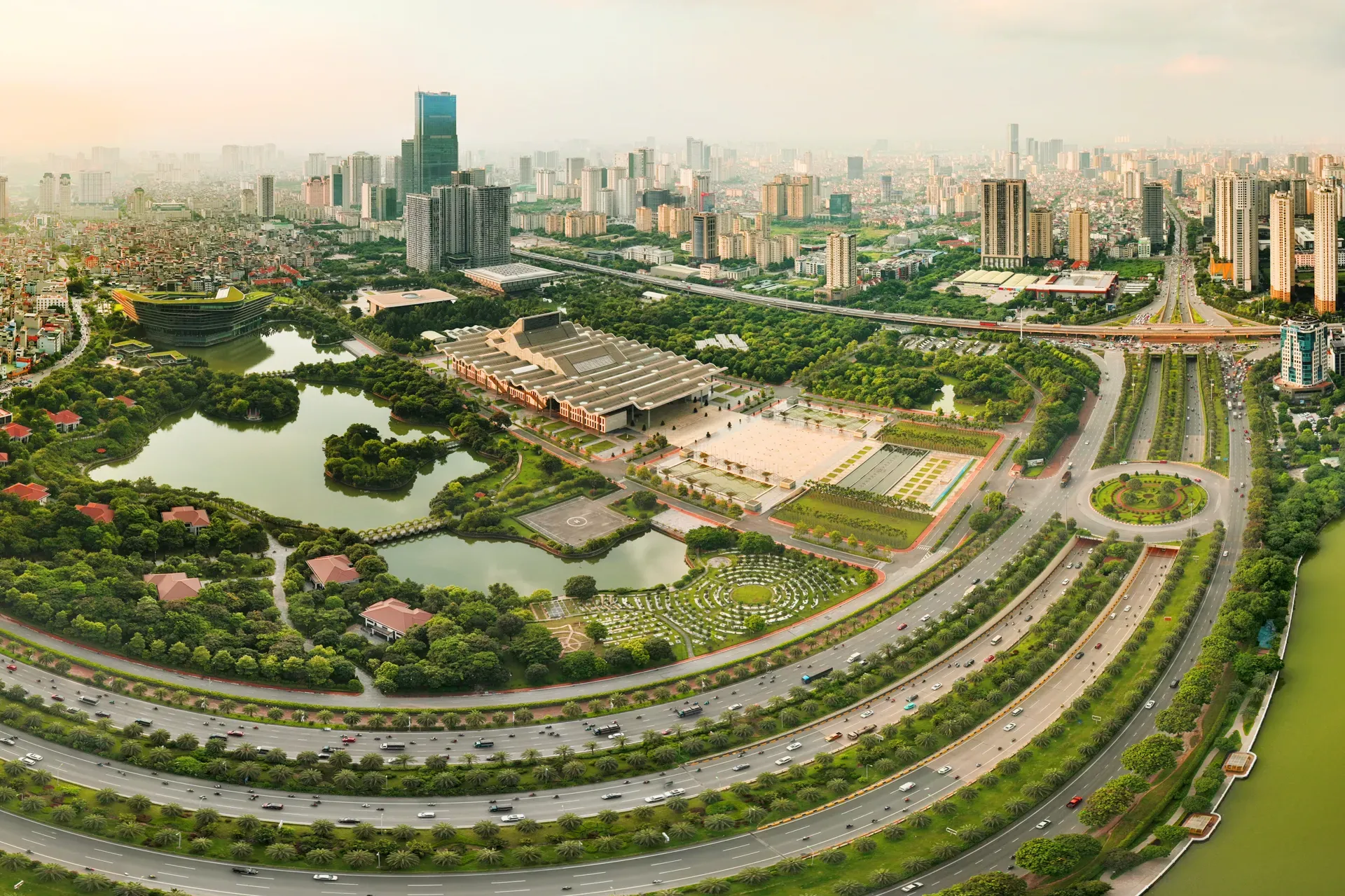
Birdview of Hanoi's Thang Long Boulevard, connecting central areas to the western region of the capital. Photo: Pham Hung/The Hanoi Times
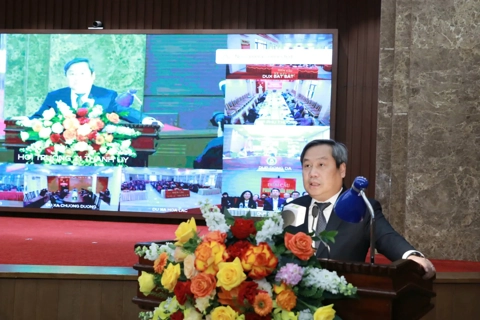
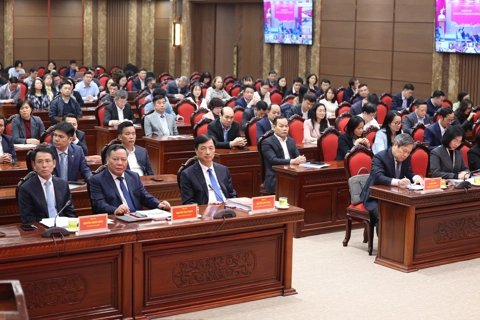
Speaking at Hanoi’s year-end review conference for 2025 and the rollout of tasks for 2026 on December 29, Ngoc stressed that Party committees at all levels must renew leadership methods and strengthen accountability, with heads of agencies bearing the highest responsibility for results.
He called for strict and effective implementation of the Action Program for the Resolution of the 18th Hanoi Party Congress, the Resolution of the 14th National Party Congress and key strategic resolutions of the central authorities, along with directives from Party General Secretary To Lam regarding the capital.
The Hanoi Party Secretary urged city agencies to accelerate the implementation of central conclusions issued in 2025 on institutional reform, including Politburo Resolution 15-NQ/TW, the 2024 Capital Law, Hanoi’s master plan with a 100-year vision and National Assembly Resolution 258/2025/QH15.
"Assigned steering committees, departments and agencies must clearly define responsibilities and complete proposals for submission to the Politburo, the Government and the National Assembly on schedule," said Ngoc.
A central priority for 2026, Ngoc said, is improving the effectiveness of the ward- and commune-level political system to better serve residents, businesses and society while mobilizing development resources.
“Party committees, People’s Councils and People’s Committees at ward and commune levels must design economic development structures that reflect local conditions,” he said.
Ngoc added that authorities must create favorable conditions for private sector growth, scientific and technological application and digital transformation. The city will review progress on a monthly basis.
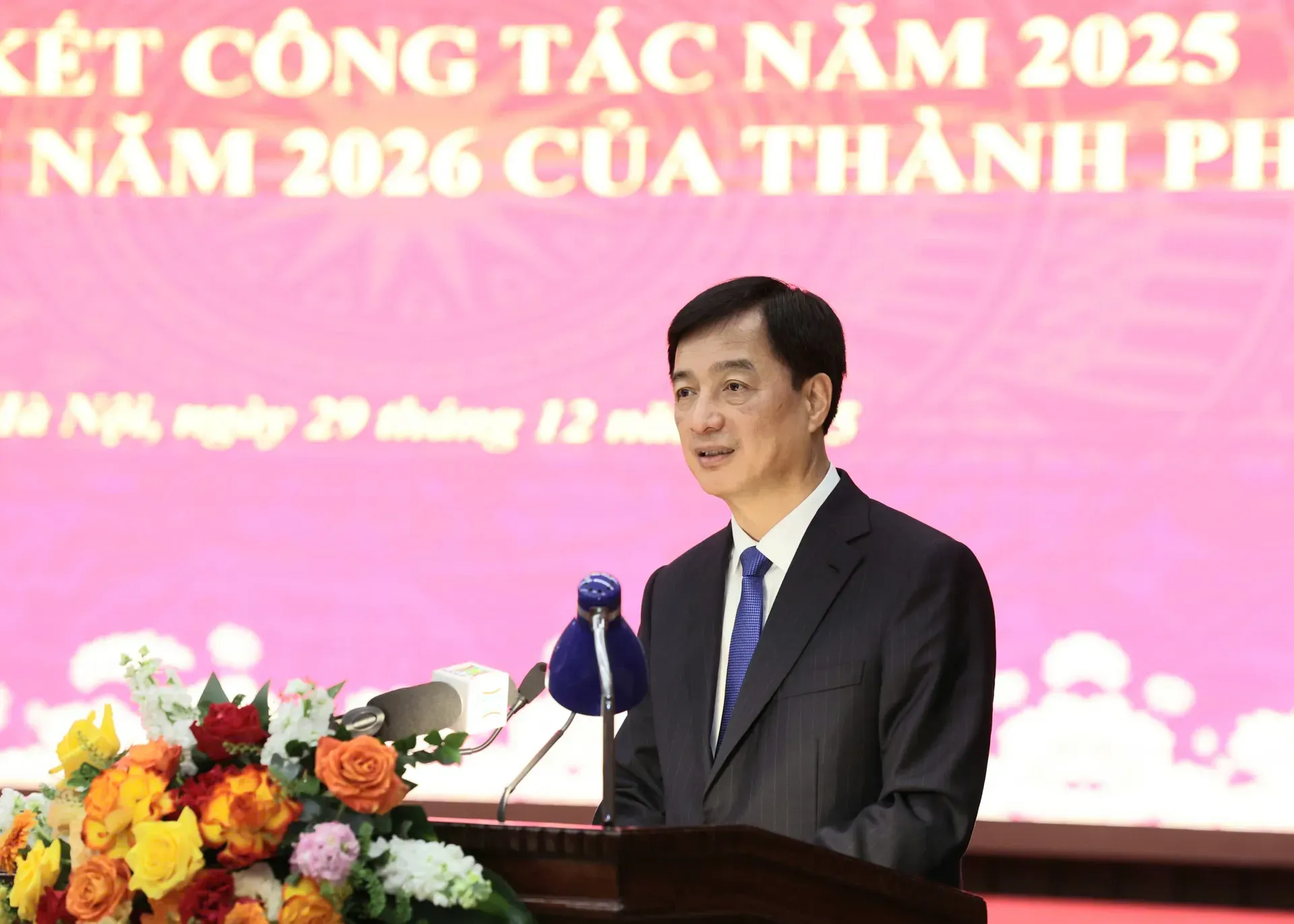
Hanoi Party Secretary Nguyen Duy Ngoc delivers his remarks at the city-wide year-end review on December 29. Photo: Thanh Hai/The Hanoi Times
The Hanoi Party Chief also highlighted the shift toward a new growth model, with science, technology, innovation and digital transformation serving as the main drivers.
Hanoi aims to mobilize total social investment, including foreign direct investment and high-quality private capital, right from the beginning of the year, while using public investment to guide overall capital flows, he said.
“The city targets GRDP growth of at least 11% in 2026 and throughout the 2026-2031 term,” he said.
Infrastructure development will remain a key breakthrough area. Ngoc cited seven projects launched on December 19, 2025, alongside major initiatives such as the Red River landscape boulevard, the Olympic Sports Urban Area, polluted river rehabilitation, urban railway lines, seven river-crossing bridges, ring roads and radial routes, flood control works and waste treatment projects.
He called on all sectors to ensure visible progress month by month and quarter by quarter in line with strategic Politburo resolutions.
Removing bottlenecks for sustainable development
Ngoc identified five persistent bottlenecks that Hanoi must address to ensure sustainable development: traffic congestion, urban order, environmental pollution, flooding and food safety.
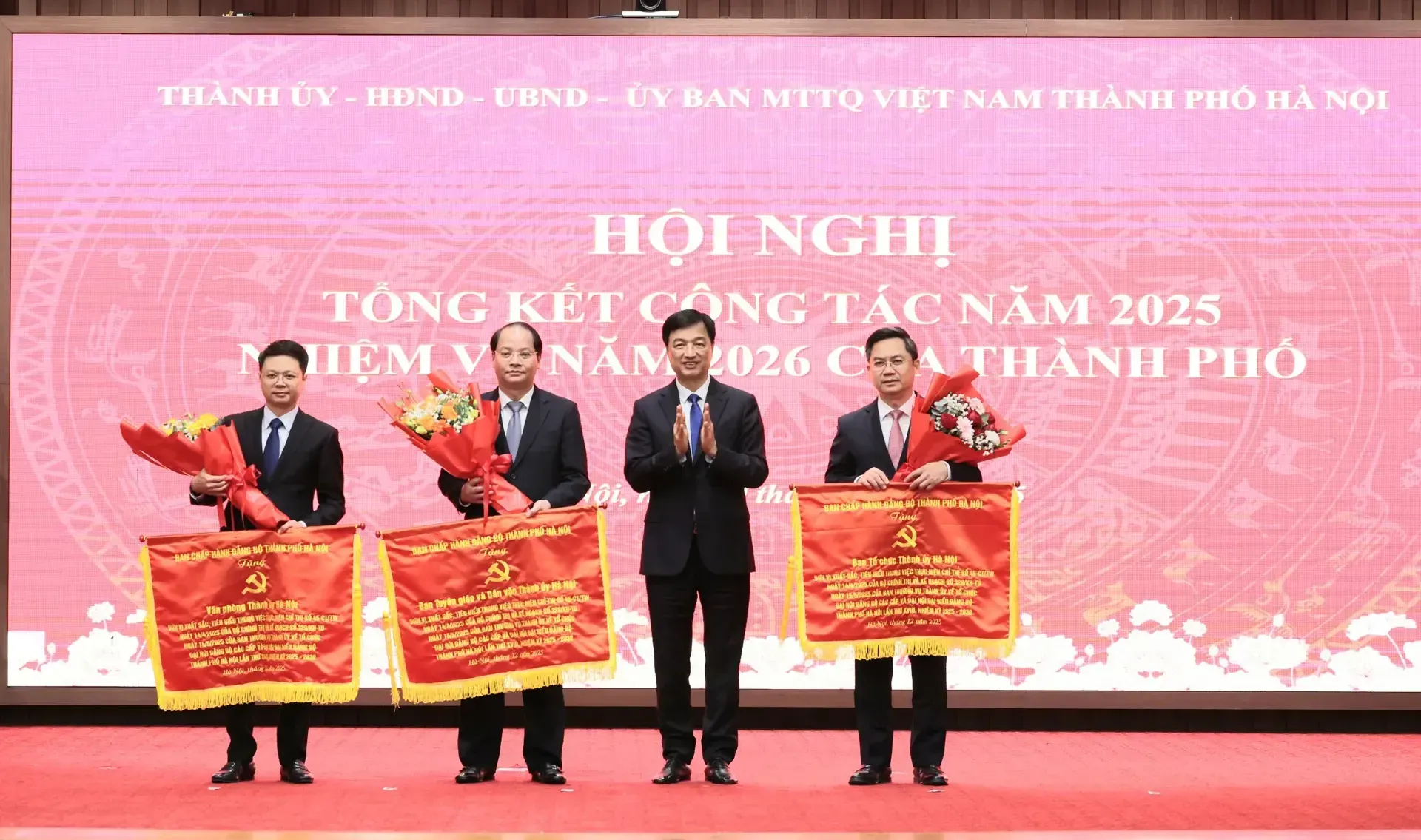
Hanoi Party Secretary Nguyen Duy Ngoc (second from right) hands flags of emulation to Party members for their remarkable performances. Photo: Thanh Hai/The Hanoi Times
“The approach is to prevent further complications and deliver steady improvement over time within a long-term strategy,” he said.
He noted that the city has clarified root causes for each issue, ranging from unclear planning and incomplete waste and drainage solutions to weak coordination and unclear assignment of responsibility.
The Party Chief praised local authorities for improving urban order, strengthening environmental protection, easing traffic congestion and deploying AI cameras and automated enforcement, measures that have gained public support.
On preparations for the election of 16th National Assembly deputies and People’s Council members for the 2026-2031 term, Ngoc urged agencies to ensure proper procedures, timely implementation and full compliance with regulations.
He called for the resolution of long-standing complaints, prevention of election-related hotspots, careful personnel preparation and strong Party leadership throughout the process.
National defense, security and public order will remain firm priorities, alongside the protection of key facilities and major political events, he said.
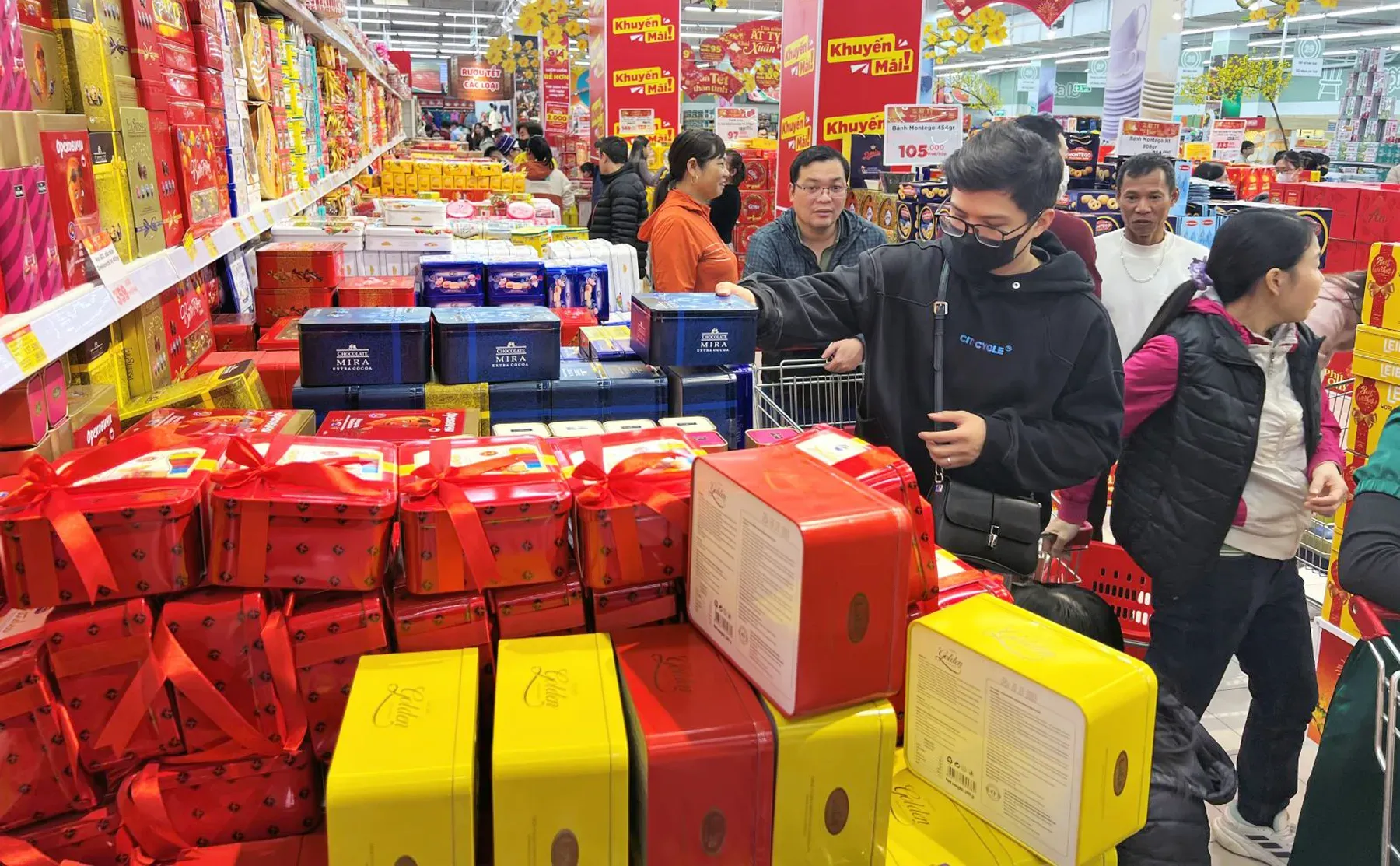
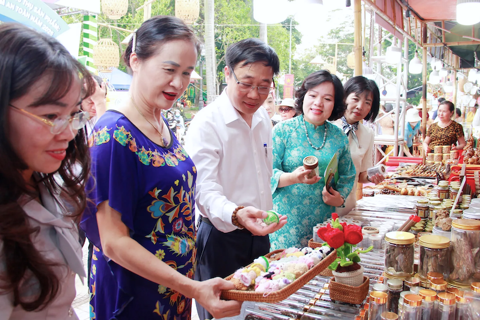
People shopping and preparing for the Lunar New Year in 2026. Photo: Hoai Nam/The Hanoi Times
The city will also step up reviews of vulnerable groups and ensure effective delivery of social welfare policies, including free school lunches, tuition exemptions, medical fee exemptions and at least one free annual health check, to ensure inclusive development.
Ngoc also instructed Party committees and local authorities to perform effectively before, during and after the 14th National Party Congress, while preparing carefully for the New Year 2026 and the Lunar New Year to ensure celebrations' safety, culturally rich and inspiring.
Reflecting on lessons from 2025, Ngoc emphasized the decisive role of leadership, noting that the strong shift in working methods during the final two months of the year enabled the city to handle major, complex and unprecedented tasks with speed and effectiveness.
“These changes provide a solid foundation for improving leadership, execution and coordination in 2026 and the entire term,” he said.
To maintain momentum, Ngoc said the city will hold monthly coordination meetings across the political system during the first quarter of 2026 to review progress and resolve obstacles, shifting to quarterly meetings as conditions allow.
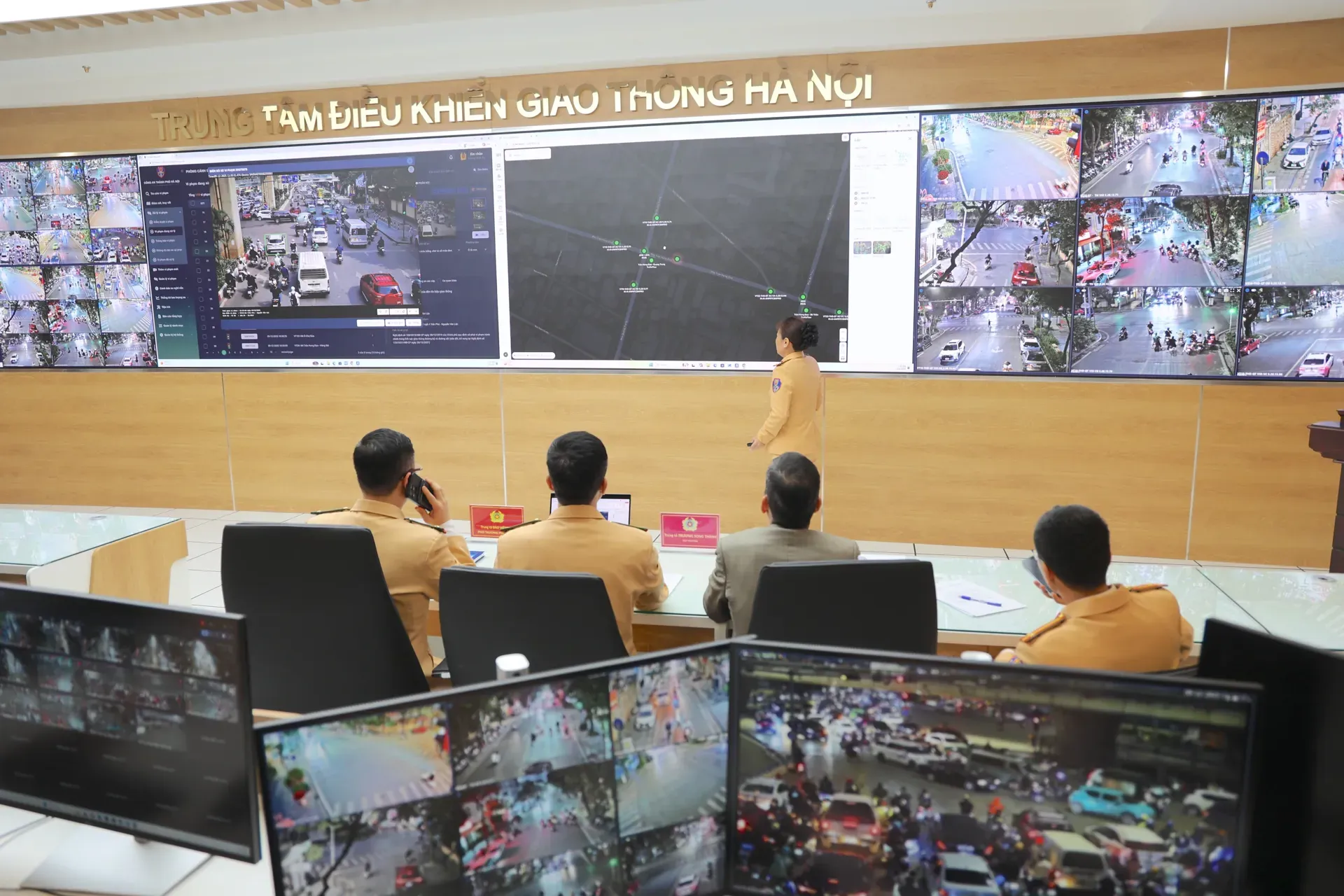
Hanoi traffic police officers manage urban transport via AI-power cameras. Photo: Pham Cong/The Hanoi Times
He added that the Hanoi Party Committee has established a hotline unit to receive reports on difficulties, innovative models and effective practices for timely guidance.
“With unity, determination and a strong sense of responsibility, Hanoi will fulfill its 2026 objectives and create a solid foundation for the 2026-2030 period,” Ngoc said, reaffirming the city’s commitment to decisive action and effective governance.