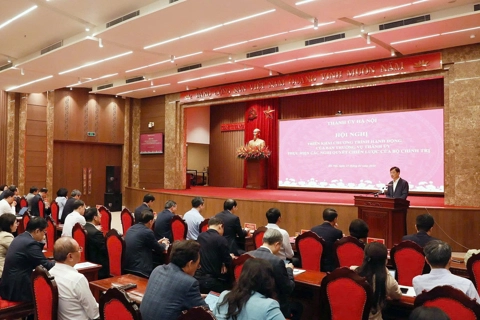
Hanoi shifts to standardized management of traditional festivals
The capital has begun implementing a new national framework to reshape conduct at traditional festivals, marking a shift from ad hoc management to more standardized, values-based oversight.
THE HANOI TIMES — Hanoi is moving from ad hoc oversight to standardized management of traditional festivals as it adopts a unified national framework focused on cultural values, public order and sustainability.
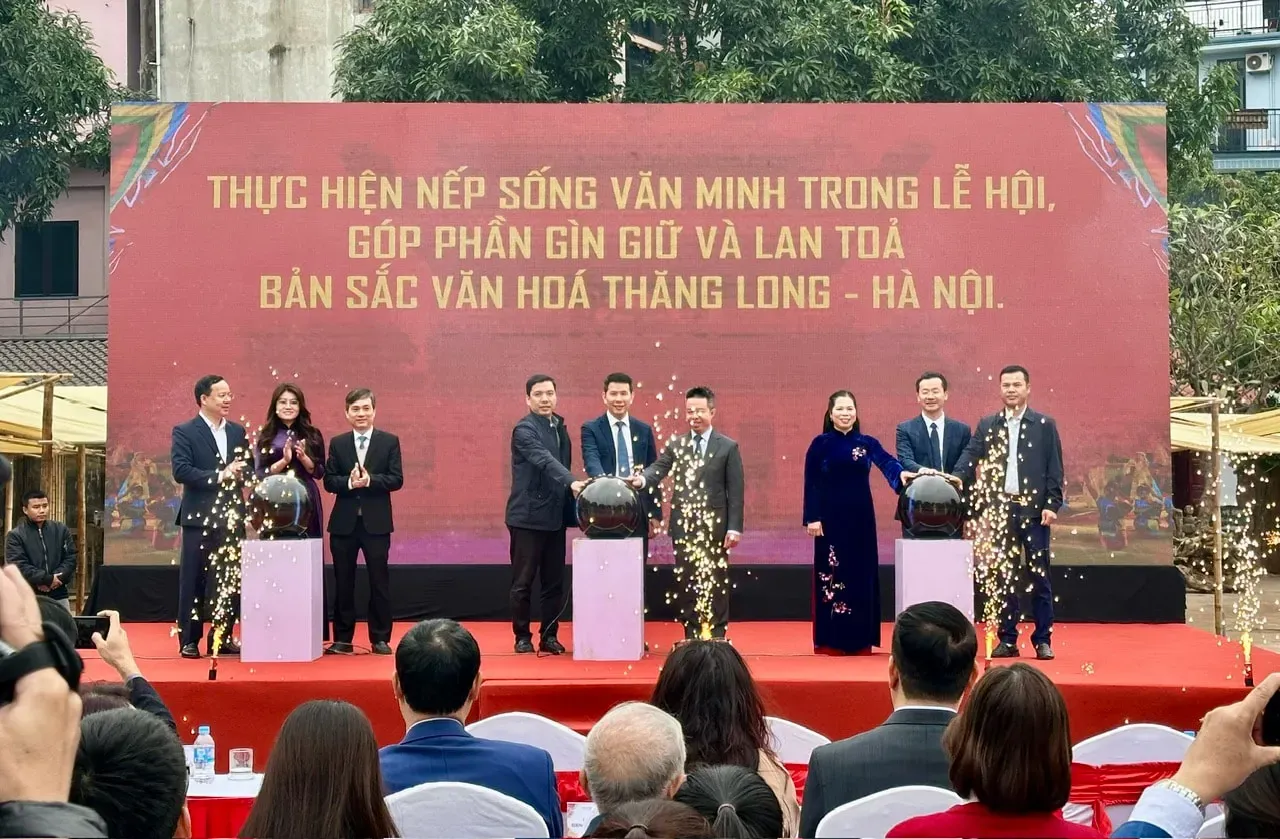
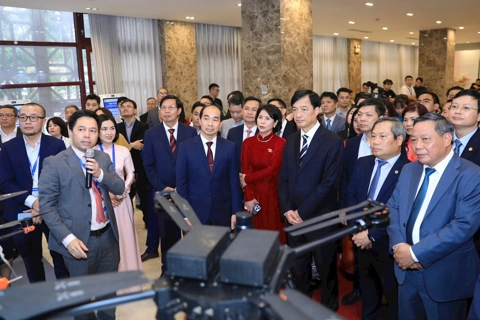
The Hanoi Department of Culture and Sports organizes a launch ceremony to implement the Ministry of Culture, Sports and Tourism’s Criteria on Cultural Environment in Traditional Festivals” on December 27. Photo: Hoang Minh/ The Hanoi Times
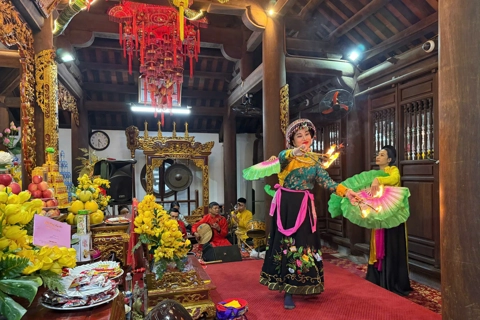
On December 27, the Hanoi Department of Culture and Sports launched the Ministry of Culture, Sports and Tourism’s Criteria on the Cultural Environment in Traditional Festivals at Ho Van Lake in the Temple of Literature complex.
The rollout aligns the capital’s festival governance with a nationwide effort to place cultural integrity and responsible behavior at the center of long-standing communal events.
Authorities said Hanoi has made progress in recent years by tightening controls to ensure solemnity, safety and regulatory compliance. However, procedural discipline alone is no longer enough.
As the city pursues sustainable cultural development, festival management is shifting toward a more holistic approach that prioritizes cultural values and human conduct.
Issued on August 3, 2023, the ministry’s criteria set clear benchmarks for organization, behavior and community participation. The framework serves as both a policy guide and an evaluation tool, giving local authorities a consistent basis to assess performance and address shortcomings.
With uniform application, officials expect Hanoi’s traditional festivals to become more civilized, safer and more reflective of national identity.
Speaking at the ceremony, Pham Tuan Long, Director of the Hanoi Department of Culture and Sports, said the rollout underscores the capital’s determination to translate ministerial policy into concrete action.
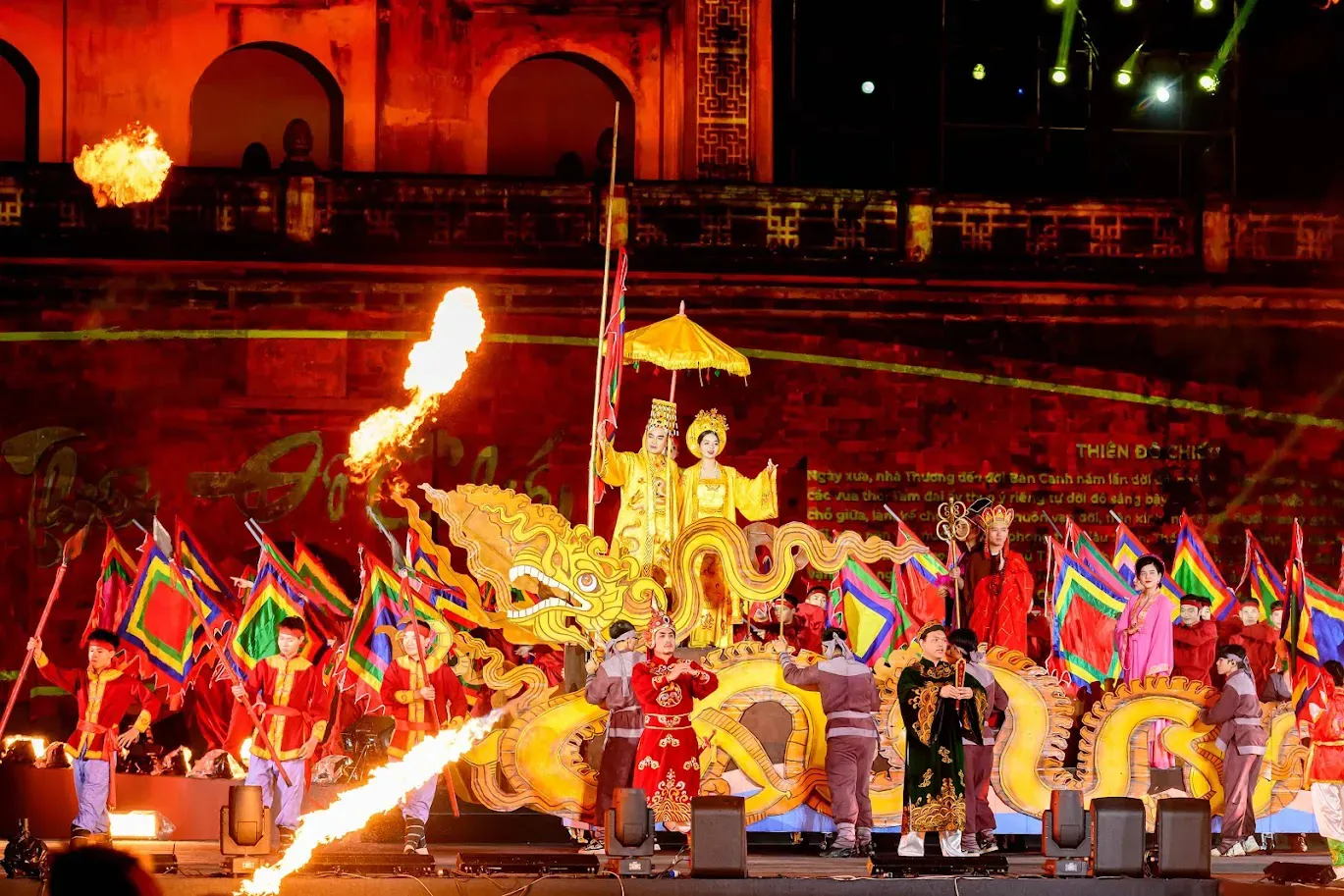
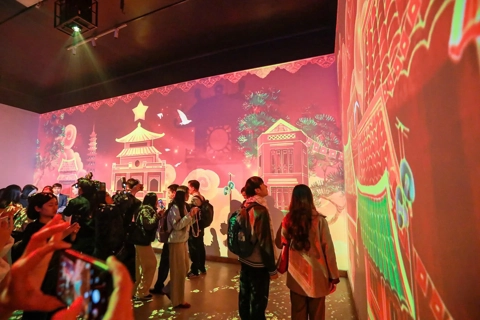
The Thang Long - Hanoi Festival 2025, the largest festival to date, honors Hanoi’s heritage and creative aspirations. Photo: The Hanoi Times
He said the criteria will serve as a cornerstone of festival governance ahead of the 2026 season, when attendance and public scrutiny are expected to rise.
However, effective implementation depends on broad coordination and responsibility must be shared among government agencies, local authorities, festival organizers, service providers and residents. Local administrations are required to treat the criteria as a core task, closely supervise activities, provide guidance and intervene promptly when violations occur.
Beyond enforcement, cultural authorities are seeking public buy-in. Citizens and visitors are encouraged to act as stakeholders in upholding cultural norms, viewing festivals not as consumable events but as shared spaces that transmit collective values to ensure that tradition and modern governance strengthen, rather than weaken, one another.