Hanoi to submit Kinh Thien Palace restoration dossier by early 2026
Hanoi has actively pushed forward related efforts m, including preparing for archaeological work and digitizing key structures within the heritage complex.
THE HANOI TIMES — Following UNESCO’s approval in 2024 of the restoration of the central structure of the Thang Long Imperial Citadel, Hanoi expects the submission by early 2026.
"Hanoi will submit the restoration dossier for the palace to the World Heritage Committee by February 1, 2026," said Vu Thu Ha, Vice Chairwoman of the Hanoi People's Committee.
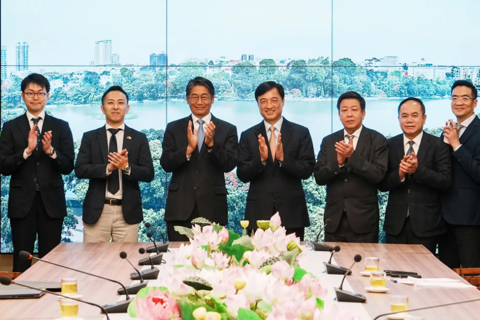
She made this commitment during a meeting on July 22 with a delegation of experts from UNESCO’s World Heritage Center and the International Council on Monuments and Sites (ICOMOS), led by Professor George O. Abungu.
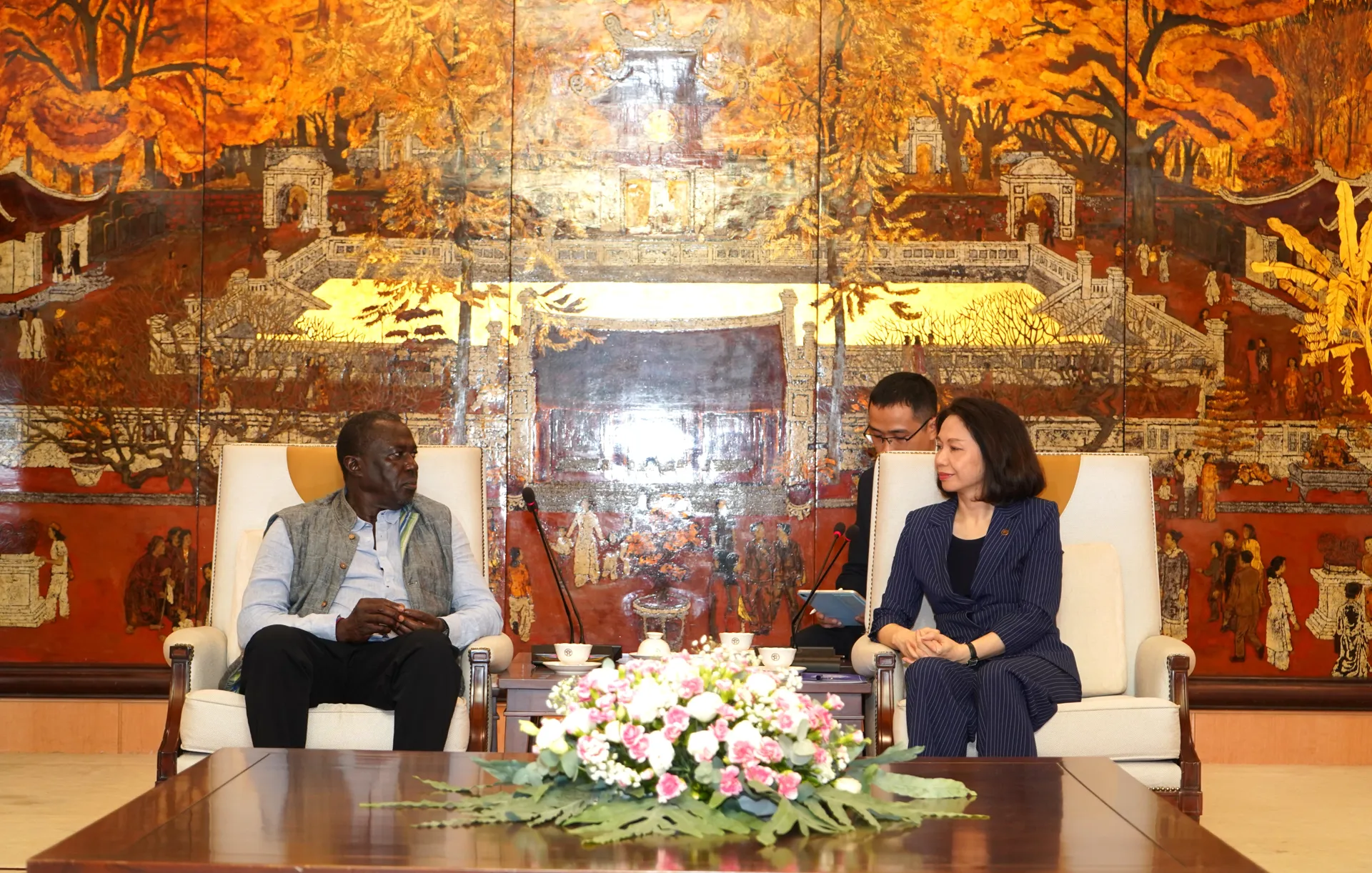
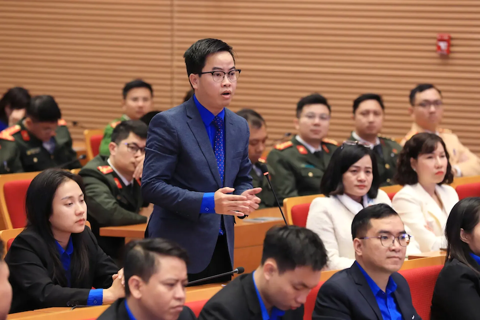
Vice Chairwoman of the Hanoi People's Committee Vu Thu Ha meets with Professor George O. Abungu on July 22. Photo: The Hanoi Times
Since UNESCO’s restoration decision in 2024, Hanoi has made significant progress in related efforts, including revising the site’s master plan, preparing for archaeological excavations, and digitizing key structures within the heritage complex.
“Hanoi is committed to sharing its cultural values with the world, as well as protecting and promoting its heritage sites,” Ha added.
She also expressed hope that UNESCO experts would continue to contribute to Hanoi’s preservation efforts.
Professor George O. Abungu praised Hanoi’s progress in restoring and conserving the Thang Long Citadel. He acknowledged that the site's multiple cultural layers offer valuable opportunities to enhance the global understanding of restoration practices.
The UNESCO expert commended Hanoi for its commitment to the project in terms of technical and financial investment, as well as the expertise and dedication of its professional team.
Professor Abungu reaffirmed UNESCO’s commitment to supporting Hanoi throughout the project.
At the meeting, he introduced a list of experts from ICOMOS and UNESCO who will provide technical support for the restoration.
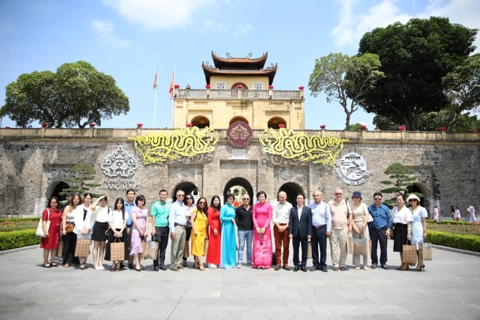
Located in the heart of the capital of Vietnam, the Thang Long Imperial Citadel was built in the 11th century by the Vietnamese Ly Dynasty, marking the independence of the Dai Viet.
It is characterized by its longevity and continuity as a seat of power, evidenced by different archaeological levels and monuments, according to UNESCO.