Ho Chi Minh City to invest $7 billion in international financial center
Developing the international financial center may cost US$6.6 billion.
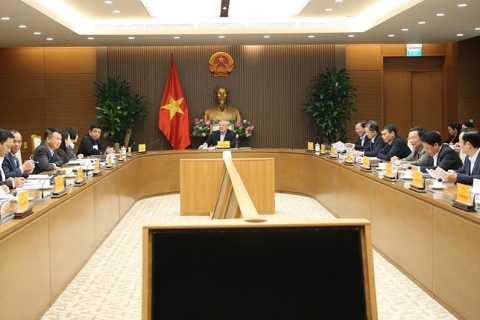
THE HANOI TIMES — Ho Chi Minh City plans to spend VND172 trillion (US$6.6 billion) on the international financial center, Dinh Khac Huy, Deputy Director of the city’s Department of Finance, said on July 15.
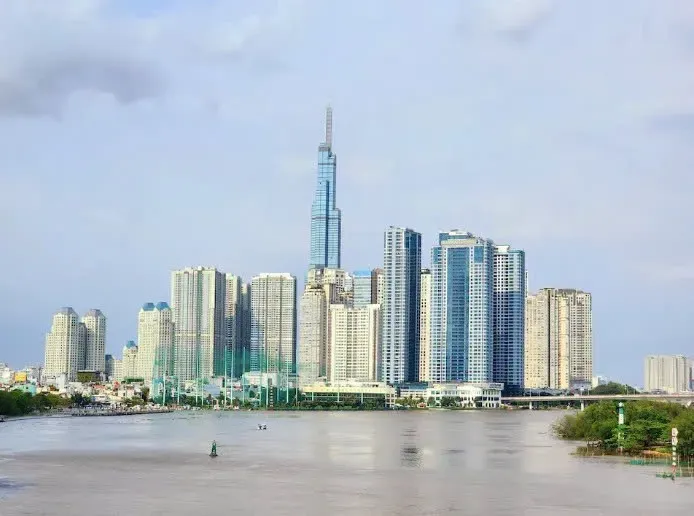
The skyline of Ho Chi Minh City as viewed from the Saigon River. Photo by Huy Chuong/The Hanoi Times.
The center will sit on 793 hectares of land, including 20 hectares in Ben Thanh Ward, 146 hectares in Saigon Ward, 563 hectares in Thu Thiem Ward, and 64 hectares along the Saigon River.
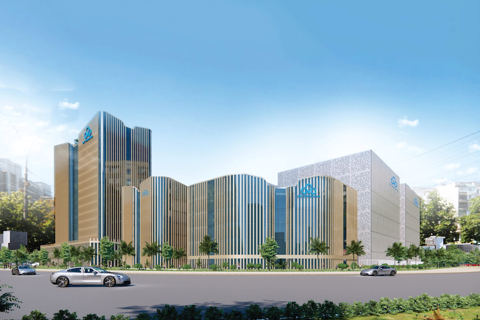
The core zone, located in Thu Thiem Ward, will span 9.2 hectares and house the headquarters of the financial center's regulatory, supervisory, and judicial bodies. The city plans to allocate VND16 trillion ($612 million) for construction of this area.
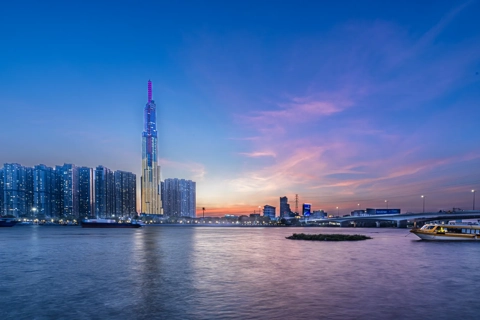
The Saigon and Ben Thanh wards currently have financial hubs, including the Ho Chi Minh Stock Exchange.
According to Huy, the center will offer specialized financial products that leverage the city’s competitive advantages. It aims to become one of the region's leading international financial centers and elevate Vietnam’s standing in the global financial network.
The center will attract long-term international capital, particularly from multinational financial corporations, and establish a comprehensive financial ecosystem comprising international banks, stock markets, fintech companies, and global asset management institutions.
To support this development, Ho Chi Minh City will invest in physical infrastructure, such as underground transportation systems (including metro lines and road tunnels), upgraded key roads and intersections, and expanded or smartly regulated major traffic routes.
The city will also upgrade utility networks, including power supply, water, drainage, telecommunications, and digital infrastructure, especially a 5G network that will fully cover the financial hub, while Internet of Things (IoT) technologies will better manage electricity, water, and traffic operations.
Ho Chi Minh City contributes about 23% of Vietnam’s GDP and serves as a hub for several key economic sectors, including finance, technology, and services.