Inclusive innovation must give everyone equal voice, experts say at TECHFEST Vietnam 2025
Open innovation is becoming a cornerstone of Vietnam’s development strategy, as policymakers, experts and international partners emphasize people-centered collaboration to tackle inequality, climate change and urbanization through inclusive, technology-driven solutions showcased at TECHFEST Vietnam 2025.
THE HANOI TIMES — Innovation must create equal opportunities for all people and social groups to strengthen co-creation and shared problem-solving, said Nguyen Phuong Linh, Director of MSD United Way Vietnam.
Linh emphasized that the real value of innovation lies beyond technology. “Innovation succeeds when it creates spaces where citizens actively design solutions and provide feedback.”
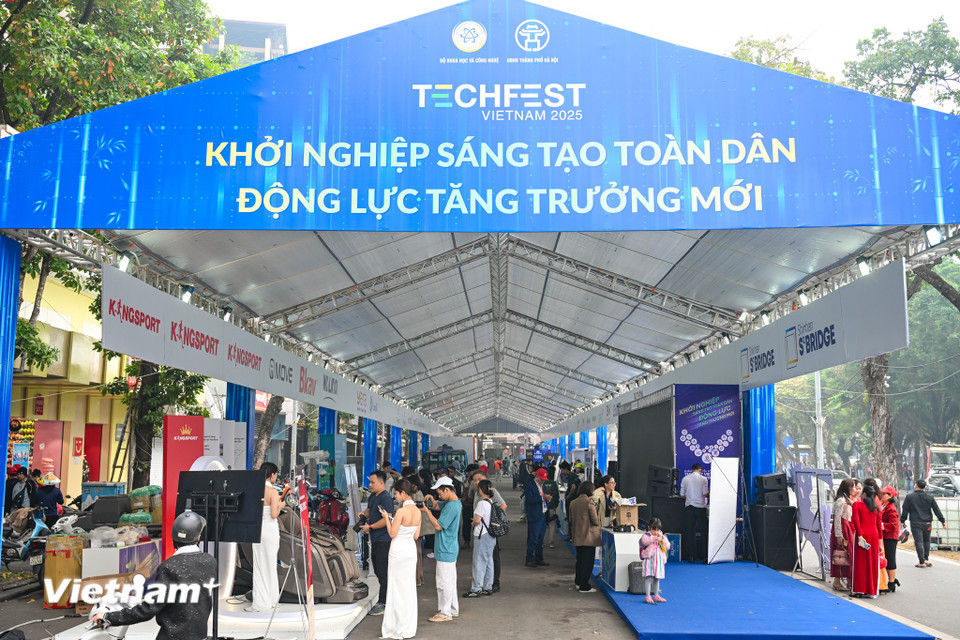
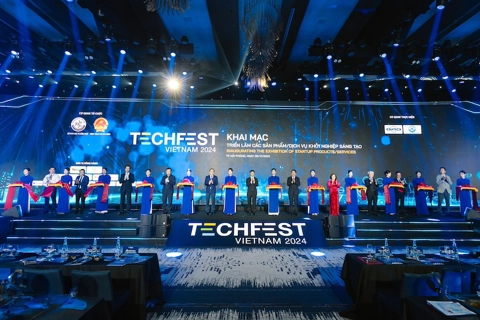
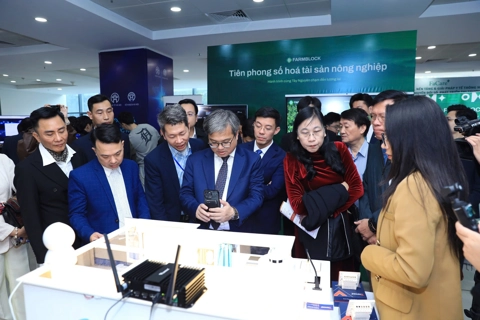
TECHFEST Vietnam 2025 is underway in Hanoi on December 13. Photo: Vietnam News Agency
“When an elderly farmer in a rural area, a woman with disabilities, or a student in a remote region can contribute data and share perspectives, solutions become more accurate, fair and sustainable,” she said at the Social Open Innovation Seminar, held as part of the ongoing TECHFEST Vietnam 2025.
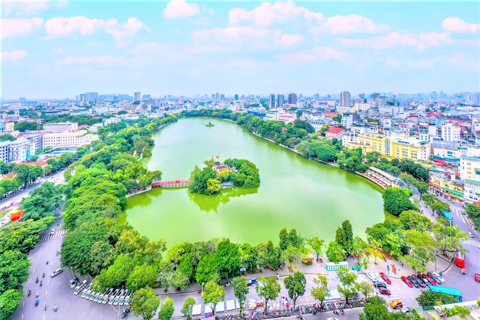
Linh’s view also shaped the theme and format of TECHFEST Vietnam 2025. Organizers staged all activities of Vietnam’s largest technology exhibition in open public spaces around the Hoan Kiem Lake pedestrian zone.
This format allows residents, tourists and businesses to explore technology showcases freely, test products, join workshops and connect with investors. Cafés and restaurants can even serve as informal networking spaces.
Linh identified human resources as one of the most critical bottlenecks in Vietnam’s social innovation and startup ecosystem.
She said talent shortages worsen because of limited access to data, weak collaboration mechanisms and challenges in measuring social impact.
She added that social open innovation draws strength from real connections built on real data. This approach links business challenges with startup capabilities and connects community needs with academic and civil society expertise.
Dutch Ambassador to Vietnam Kees van Baar described social open innovation as a key bridge between economic growth and community well-being.
He praised Vietnam’s push for inclusive innovation and digital transformation and stressed that technology must remain people-centered.
He said all groups, including women, young people and vulnerable communities, must enjoy equal access in line with the principle of leaving no one behind.
The ambassador added that innovation can only last in an open society that encourages people to experiment and create.
He reaffirmed that cooperation between the Netherlands and Vietnam rests on shared values, especially inclusiveness and responsible innovation.
According to Pham Hong Quat, Director General of the Department for Startups and Technology Enterprises under the Ministry of Science and Technology, open innovation plays a vital role in Vietnam’s development because inclusive collaboration helps address major challenges such as inequality, climate change and rapid urbanization, said
He compared the spirit of innovation to Saint Giong, the symbolic figure of TECHFEST 2025 and said collective effort creates strength.
"When community groups, from youth and women to people with disabilities and rural residents, gain chances to test and benefit from innovative solutions, the value created becomes more practical and spreads further," said Quat.
Against this backdrop, the launch of the Social Open Innovation Community under TECHFEST Vietnam 2025 aims to build a collaborative platform that develops technology-driven solutions and delivers clear socio-economic value to diverse groups across society.
Measures needed to boost young generations’ participation
From a workforce development perspective, Do Thuy Duong, CEO of management consultancy The Map, raised concerns about what she described as excessive guidance aimed at young people.
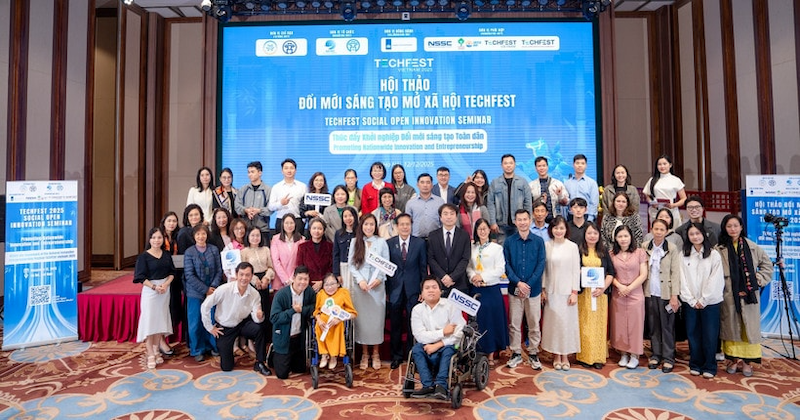
Delegates at the TECHFEST Social Open Innovation Seminar. Photo courtesy of the organizing board
She said too many mentors and coaches offering advice can confuse and overwhelm future talent.
“Learning by doing, making mistakes and adjusting along the way often brings more relevant lessons than listening to advice from older generations,” Duong said.
Sharing this view, Dinh Tran Tuan Linh, founder of technology firm Unikon, said many successful entrepreneurs rely too heavily on their own past experiences when assessing the needs of younger generations.
He said people often judge others by personal standards or assume traditional approaches remain the only correct ones in a fast-changing world.
Panelists agreed that this mindset creates problems, especially around failure. Instead of overanalyzing setbacks or rushing to fix young innovators, they said failure should serve as a natural part of growth.
They suggested redesigning mentorship as a curated buffet of support options that allows young people to choose guidance that fits their paths.
Looking ahead, speakers said preparing the future workforce requires more than adding new skills. It also requires unlearning outdated knowledge, letting go of external expectations and challenging inherited biases.
According to Duong, three core capabilities will shape tomorrow’s talent: deep self-awareness, fast learning ability and the capacity to create value that meets real market needs.
At the ecosystem level, Linh from MSD United Way Vietnam said sustainable development depends on a foundation built on innovation, openness, connection, inclusiveness and the ability to scale.
She added that social open innovation has become a global trend and offers one of the most effective ways to tackle complex challenges such as inequality, climate change and rapid urbanization.
| TECHFEST Vietnam 2025 runs in Hanoi from December 12 to December 14, offering interactive tech experiences, startup showcases and policy updates as Hoan Kiem pedestrian street becomes a focal point for the country’s innovation community. |