New governmental decree enhances personal data protection
Violators of data protection regulations may face disciplinary, administrative, or criminal penalties, noted the decree.
The purchase or sale of personal data in any form is prohibited by the Personal Data Protection Decree issued by the government.
| Personal data is considered confidential. Photo: The Hanoi Times |
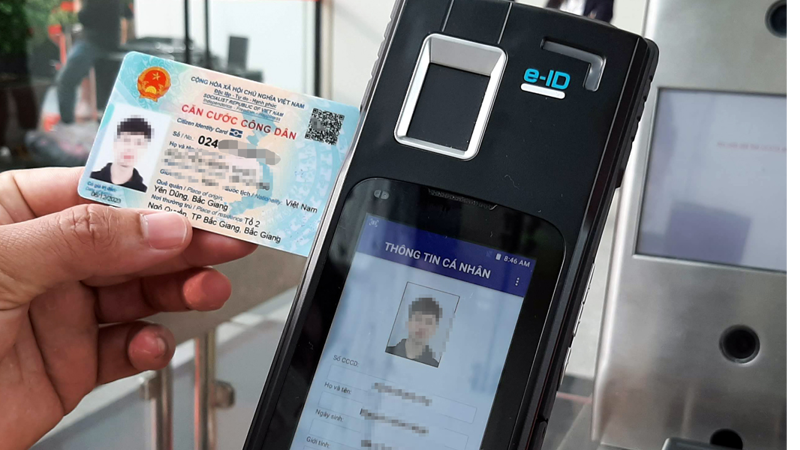
Starting from July 1, as per the Government’s Decree issued on April 17, personal data in Vietnam is protected, treated as confidential, and stored for purposes consistent with data processing. In this regard, Data owners must be informed about their information processing.
Violators of personal data protection regulations may face disciplinary, administrative, or criminal penalties, noted the decree.
As of July 1, personal data in Vietnam will be protected, treated as confidential information, and maintained for uses consistent with the data processing regulation, according to a governmental decree on April 17. Data owners must be informed of how their information is being processed.
Violators of personal data protection regulations may face disciplinary, administrative, or criminal penalties, the decree said.
In addition, Vietnam plans to establish an international cooperation mechanism to facilitate the enforcement of the decree and participate in mutual legal assistance in personal data protection and technology transfer to support the field.
The Government also prohibits using personal data for fabricating anti-State information, endangering national security, upsetting social order, infringing the legitimate rights and interests of organizations and people, or utilizing the protection of personal information to perpetrate crimes.
There are five cases where personal information may be collected without permission in Vietnam, which include: handling emergencies to protect the life and health of the owners of data or others; disclosing personal data under the law; processing data by competent state agencies in national defense and security emergencies, major disasters, and dangerous epidemics; fulfilling contractual obligations with authorities; and serving the activities of state agencies as prescribed by specialized laws.
Personal data in Vietnam are categorized as basic and sensitive. Basic personal data includes first and last name; date of birth; date of death or disappearance; sex; place of birth; place of permanent residence, temporary residence, and current place of residence; nationality; personal image; phone number; identification number or personal identification number, passport number; driver's license, license plate; personal tax code; social insurance and health insurance number; marital status; and family relationship. Sensitive personal data in Vietnam is closely associated with privacy, and any violation of such data can directly impact the rights and interests of individuals. Examples of sensitive personal data include political views and religion; health status and private information contained in medical records; racial or ethnic origin; genetic traits; unique biological characteristics; sexual life and orientation; criminal records collected or stored by law enforcement agencies; bank customer information such as identity, account details, deposits, assets deposited, and transactions; and personal location determined via location services. |