Vietnam, Germany seek more sustainable economic, trade cooperation to boost 50-year ties
Through a seminar in Hanoi, half a century of friendship and cooperation between the two countries has been reviewed, while opening further avenues to promote bilateral ties in the next phase.
THE HANOI TIMES — Vietnam and Germany need to promote economic, trade and investment cooperation in a stable, balanced and sustainable manner, Deputy Minister of Foreign Affairs Le Thi Thu Hang said on December 17.
Both sides should place greater emphasis on the quality and effectiveness of cooperation projects as these will form key pillars of bilateral ties in the coming period, she said at a seminar marking 50 years of bilateral relations.
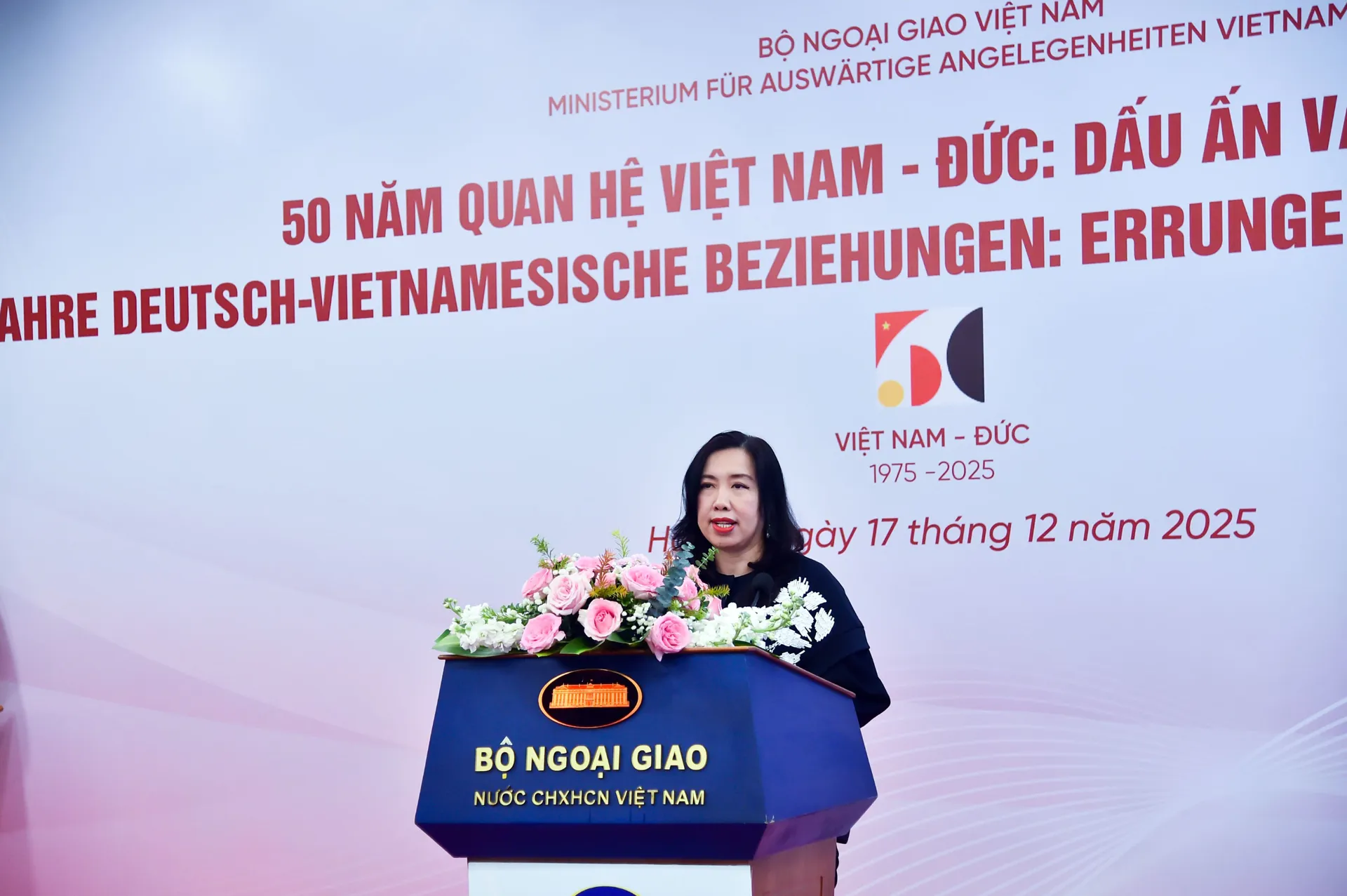
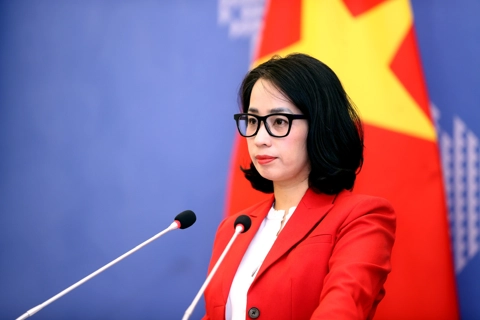
Deputy Minister of Foreign Affairs Le Thi Thu Hang speaks at the seminar. Photo: Ministry of Foreign Affairs
Hang said the effective implementation of the EU-Vietnam Free Trade Agreement (EVFTA) and the future entry into force of the EU-Vietnam Investment Protection Agreement (EVIPA) will create favorable conditions for expanding cooperation.
According to the deputy minister, both countries should strengthen connections between localities and businesses, while linking central-level cooperation with grassroots initiatives to develop concrete programs and projects that deliver practical benefits for both sides.
The two governments should prioritize cooperation in research and science and technology, promote joint research, strengthen links among institutes, universities and enterprises and treat technology transfer as a core requirement of mutually beneficial cooperation.
Emphasizing that people form the foundation of all cooperation, Hang highlighted the importance of vocational training and human resource development.
People-to-people exchanges, cooperation among localities, friendship organizations and youth groups play a decisive role in strengthening mutual understanding and educating future generations, ensuring the Vietnam-Germany Strategic Partnership continues to develop in a stable and long-term manner.
Sharing this view, German Ambassador to Vietnam Helga Margarete Barth said the two countries have steadily strengthened and deepened cooperation over many decades, with a major milestone in 2011 when leaders established a Strategic Partnership.
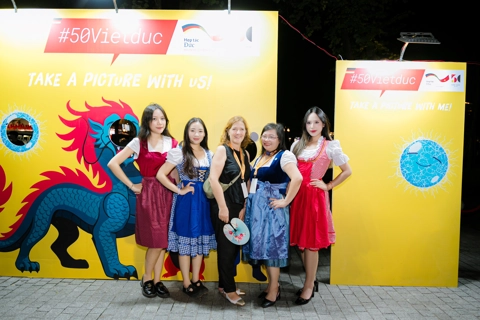
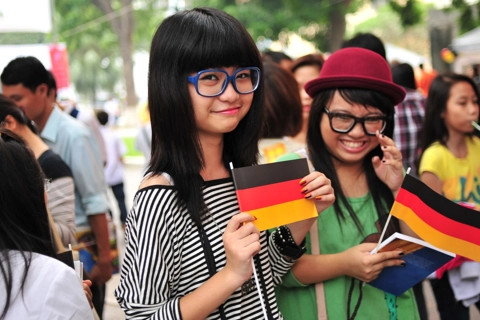
The ambassador added that cultural and educational activities organized by the German Embassy and the Goethe-Institut represent the close relationship between the two countries.
She said Vietnam and Germany still have ample room to further expand cooperation and contribute positively to peace, stability and sustainable development at regional and global levels.
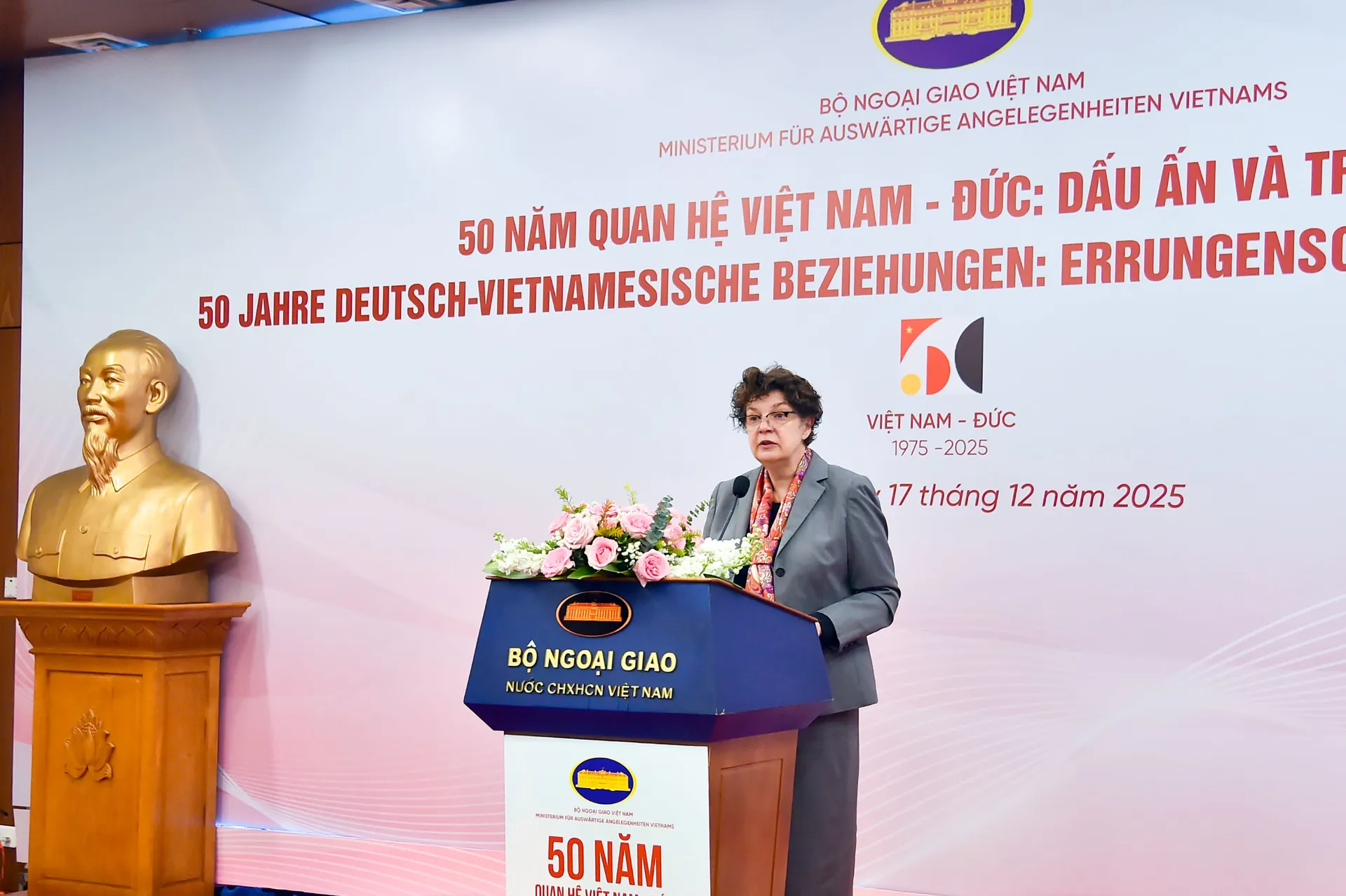
German Ambassador to Vietnam Helga Margarete Barth speaks at the seminar.
Speakers at the seminar agreed that Vietnam-Germany relations have moved beyond traditional bilateral cooperation and evolved into a deep and trusted partnership with increasingly shared interests.
Vietnamese Ambassador to Germany Nguyen Dac Thanh said the two countries should focus on strengthening parliamentary diplomacy in the coming period and aim to raise bilateral trade turnover to at least US$20 billion by 2030.
“With many major anniversary events ahead, 2026 will offer favorable opportunities to launch new initiatives in aviation, science and technology and biotechnology,” Thanh said.
Germany is now Vietnam’s leading trading partner in Europe. In 2024, bilateral trade turnover exceeded US$11.7 billion.
From January to October-end, trade between the two economies reached more than US$11 billion, with Germany serving as a key gateway for Vietnamese goods entering other European markets.
Alongside trade, cooperation in education and training over recent decades has remained a bright spot in bilateral relations.
More than 200,000 Vietnamese now live, study and work in Germany, forming a dynamic community that plays an important role in strengthening bilateral ties.
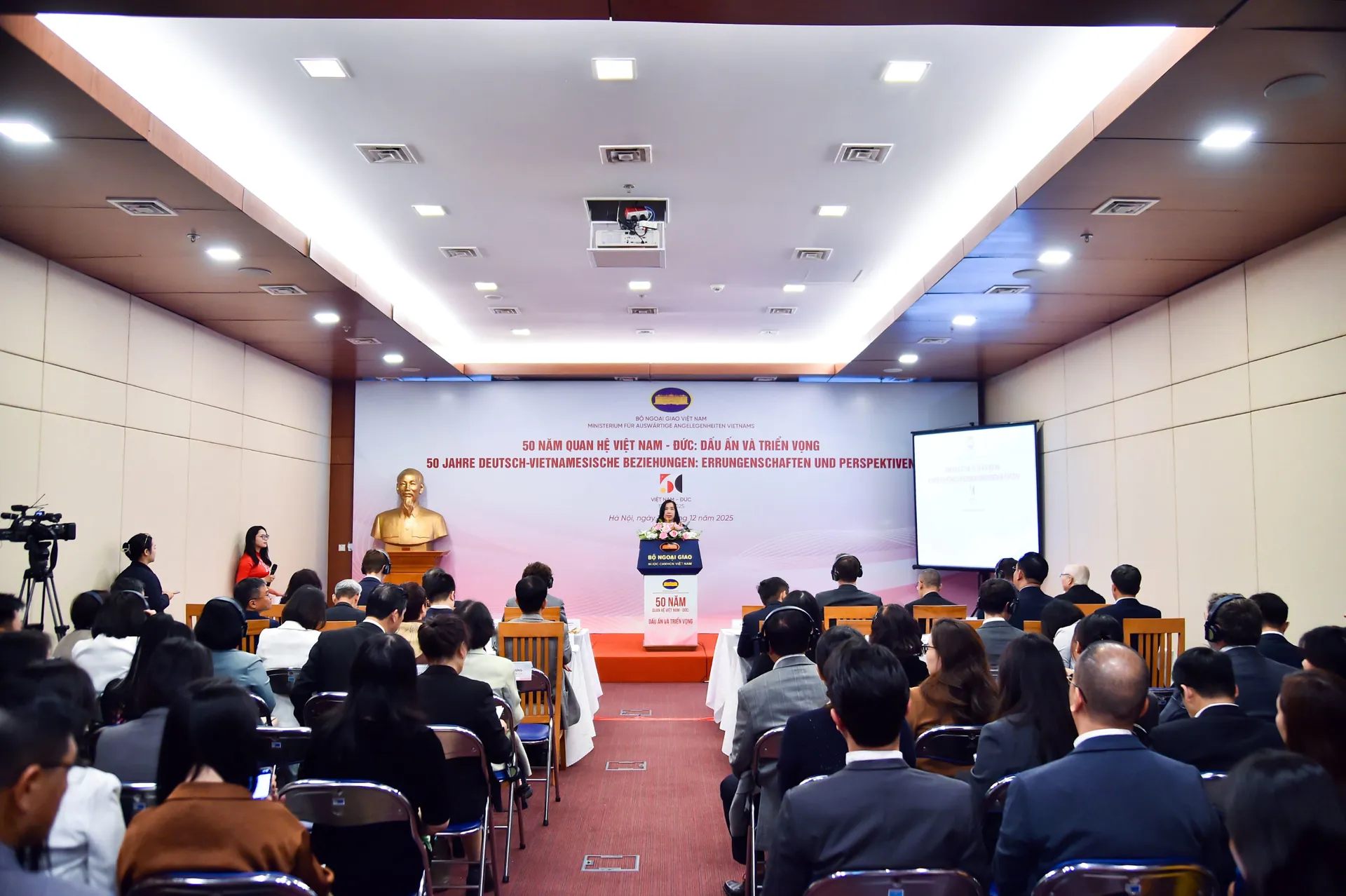
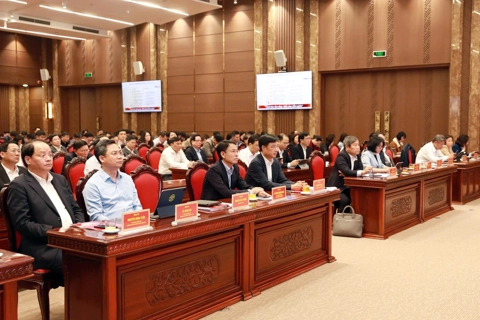
The seminar's overview.
At present, cooperation in science, technology and innovation is emerging as a strategic pillar of bilateral ties. Germany ranks among the world’s leading countries in scientific research, core technologies, Industry 4.0 and high-quality human resource training.
Vietnam, for its part, is accelerating digital transformation, developing a knowledge-based economy and building a national innovation ecosystem.
Cooperation in areas such as high technology, artificial intelligence, automation, digital transformation, green technology, renewable energy, the circular economy and climate change adaptation brings tangible benefits to both sides and helps address shared global challenges.
“The 50-year foundation of friendship, political will and cooperation will drive Vietnam-Germany relations to a new level, serve the long-term interests of both countries and make positive contribution to peace, cooperation and development in the region and worldwide,” Deputy Minister Le Thi Thu Hang said.