
Vietnam, Singapore cultural exchange via diplomacy
Cultural exchange complements the strong economic ties in the Vietnam-Singapore relationship, underscoring their deepening regional partnership.


THE HANOI TIMES — Vietnam is entering a new phase of international integration that requires new thinking, new approaches and a firm balance between independence and deep global engagement, Party General Secretary To Lam has affirmed.
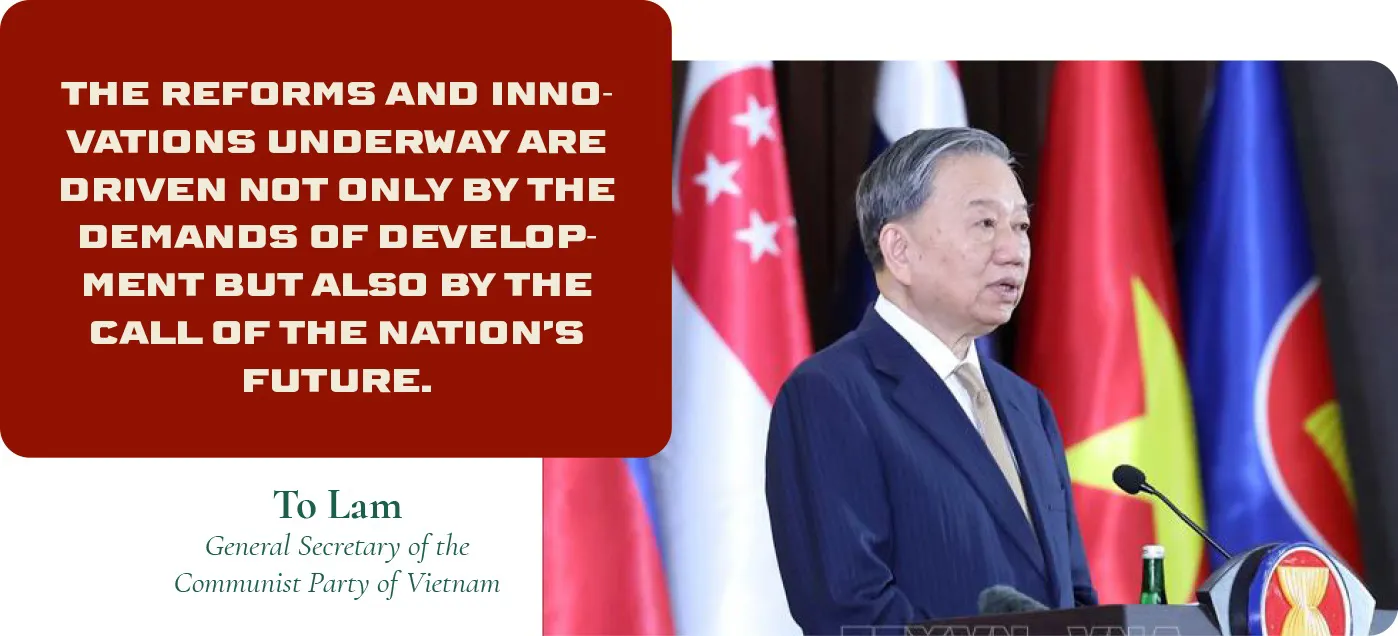
In his article “Reaching higher through international integration,” Party General Secretary To Lam wrote that Vietnam is stepping into “an era of prosperity and strength” that demands proactive, comprehensive and effective international integration.
He emphasized that integration must be rooted in independence, self-reliance and strong internal capacity, ensuring that Vietnam does not merely participate but actively contributes to and helps shape global and regional frameworks.
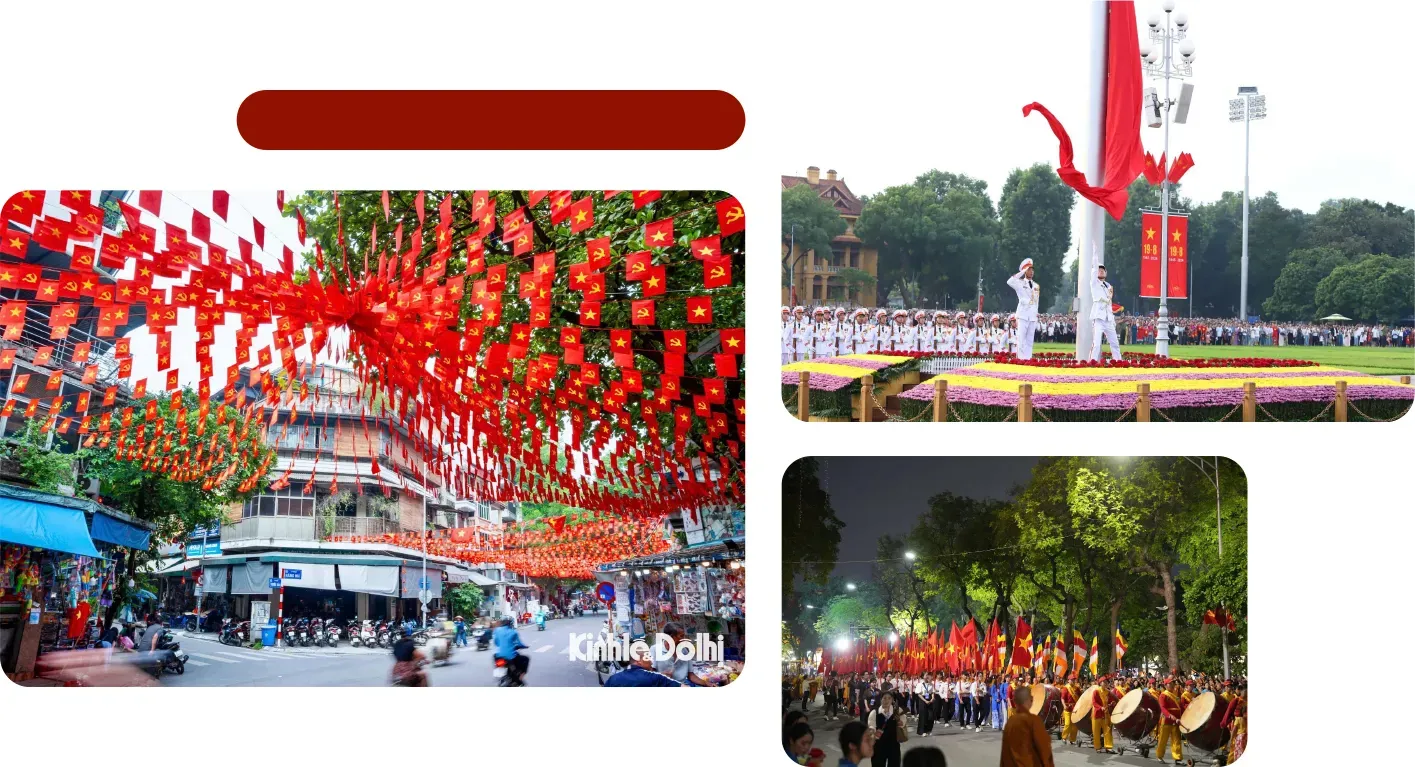
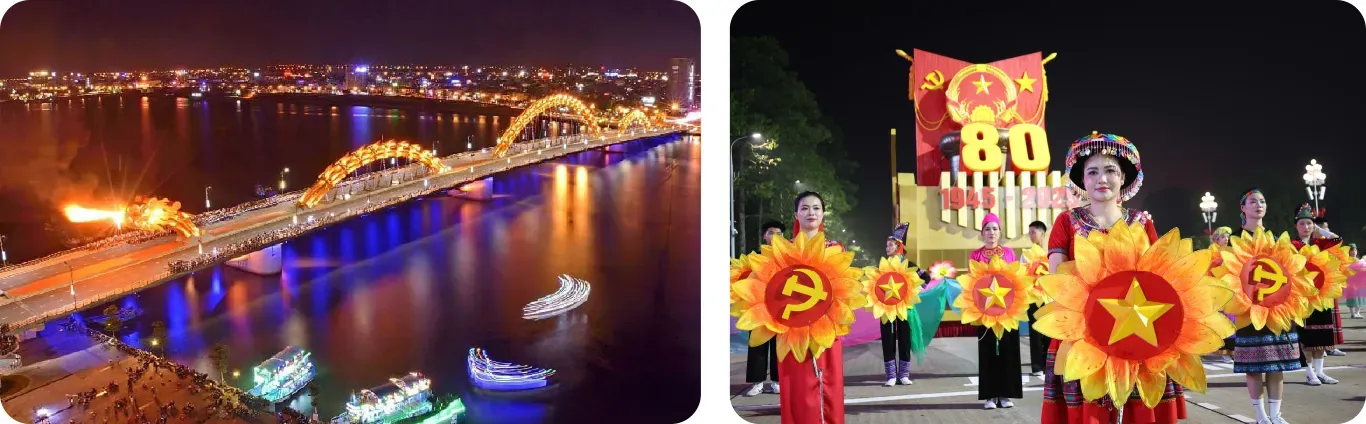
At the 80th National Day celebration on September 2, 2025, the General Secretary reaffirmed that Vietnam remains determined to defend its independence, freedom and territorial integrity “through the combined strength of politics, economy, culture, science and technology, defense, diplomacy and above all, the unity of the people.”
These statements underscore Vietnam’s strategic choice to deepen integration while safeguarding sovereignty and national identity.
This orientation is institutionalized in Resolution No. 59-NQ/TW of the Political Bureau, issued on January 24, 2025, on international integration in the new context, which is widely viewed as a breakthrough decision.
The resolution defines a vision of comprehensive, effective and elevated integration, stressing that internal strength forms the foundation of all external engagement. It highlights the principle of being “rooted, steady and flexible,” firm in values and principles while adaptable in strategy.
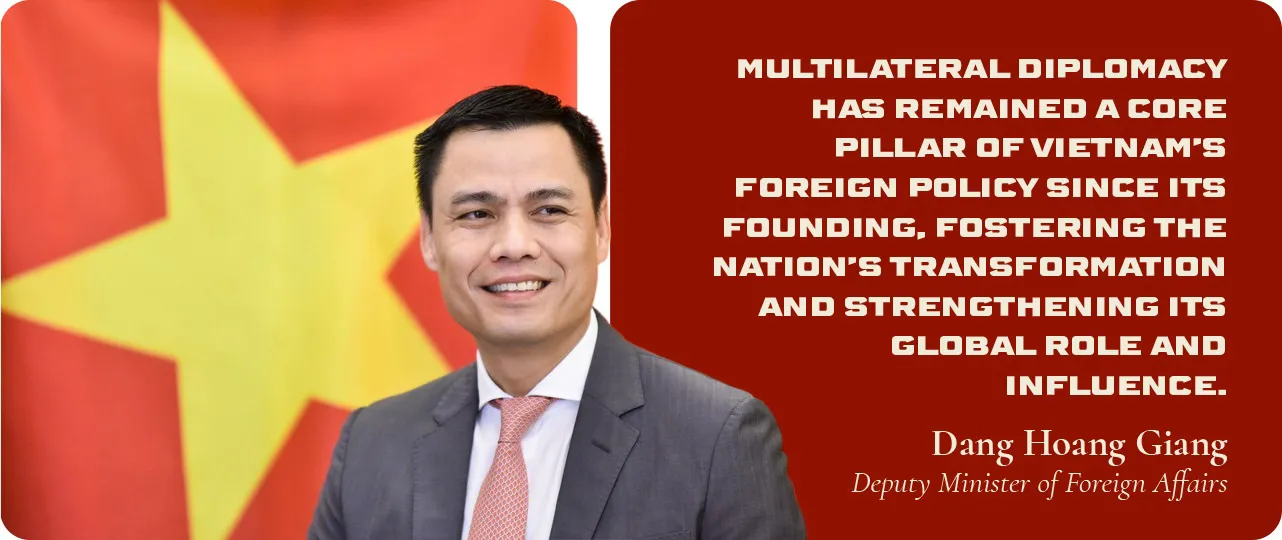
Deputy Foreign Minister Dang Hoang Giang emphasized that multilateral diplomacy is an inseparable pillar of Vietnam’s foreign policy, a principle rooted in President Ho Chi Minh’s vision when the Democratic Republic of Vietnam was founded in 1945.
“Integration must go hand in hand with sovereignty, national identity and internal capability, and that effective implementation requires the participation of central agencies, local governments and communities,” said Giang.
From an international perspective, seasoned scholars see Vietnam’s approach as both deliberate and resilient amid intensifying strategic competition among major powers.
Professor Carl Thayer of the University of New South Wales said that Vietnam is taking clear and decisive steps to open its economy, join international agreements and strengthen institutions for deeper integration.
“By maintaining neutrality, Vietnam avoids being drawn into great-power rivalry while benefiting from economic, technological and defense cooperation with multiple partners,” said Thayer.
Vietnam has become increasingly confident in promoting multilateralism and establishing strategic and comprehensive partnerships.”
He observed that Vietnam has steadily built its international role through economic liberalization, ASEAN and APEC membership, WTO accession and an expanding network of free trade agreements.
Professor James Borton of Johns Hopkins University, who has followed Vietnam’s political development since the lifting of the US embargo, described Vietnam’s diplomacy as a careful ‘tightrope walk’ in a fragmented global order.
Rather than aligning with any side, he said Vietnam should continue refining its flexible diplomacy, with national interests as its compass. This strategy, anchored in independence, flexibility and non-alignment, enables Vietnam to navigate a complex, multipolar world with prudence and adaptability.
Together, these perspectives highlight Vietnam’s transformation from a participant into a proactive contributor, increasingly involved in shaping global norms and multilateral mechanisms. Resolution 59 reinforces this role by calling for greater Vietnamese leadership within ASEAN, from implementing the ASEAN Vision 2045 to helping shape emerging regional frameworks and multilateral trade agreements.
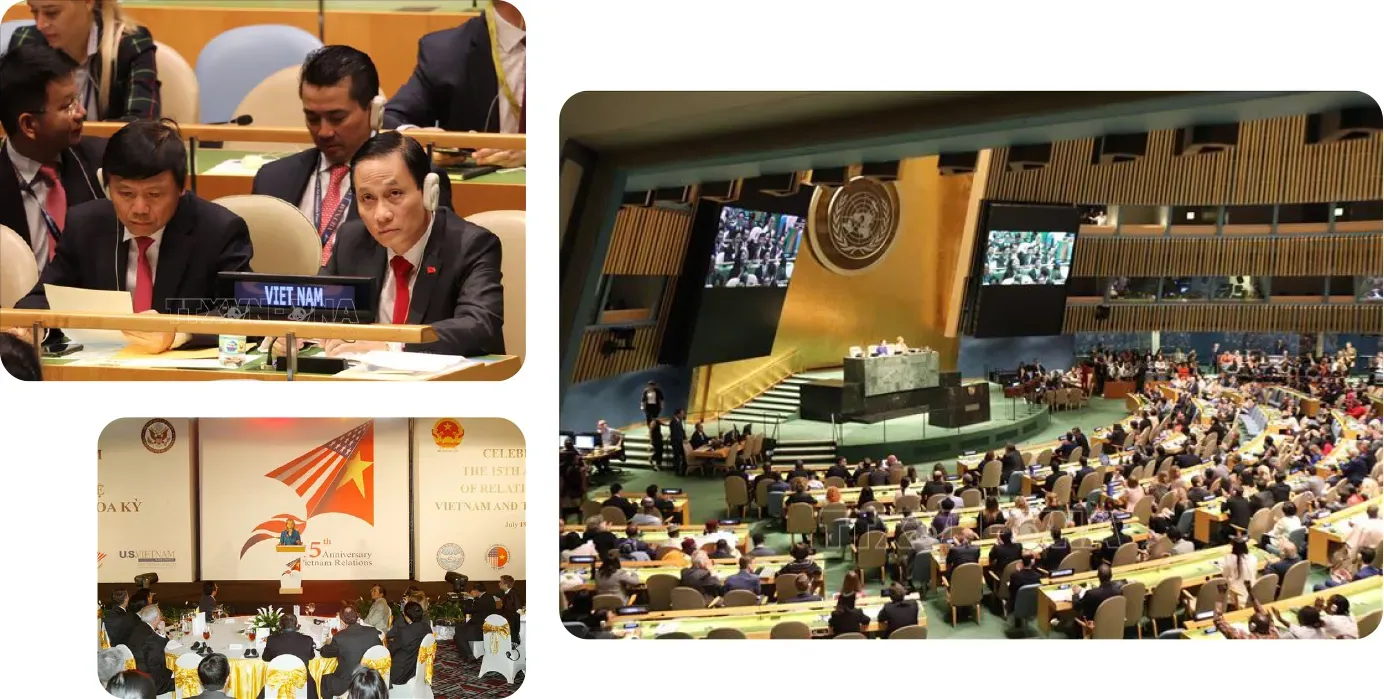
In the Indo-Pacific, Vietnam is no longer seen only as an active member but also as a responsible coordinator contributing to regional stability and centrality. At global forums such as the United Nations, the World Trade Organization (WTO), the Asia-Pacific Economic Cooperation (APEC) and the Asia-Europe Meeting (ASEM), Vietnam continues to contribute to issues including climate change, food security, public health and technology governance.
Vietnam has twice served as a non-permanent member of the UN Security Council and strengthened strategic partnerships with major countries, reflecting its growing international weight. Alongside this expanded global engagement, the country has achieved notable social progress, including poverty reduction, improved education and healthcare, and rising living standards.
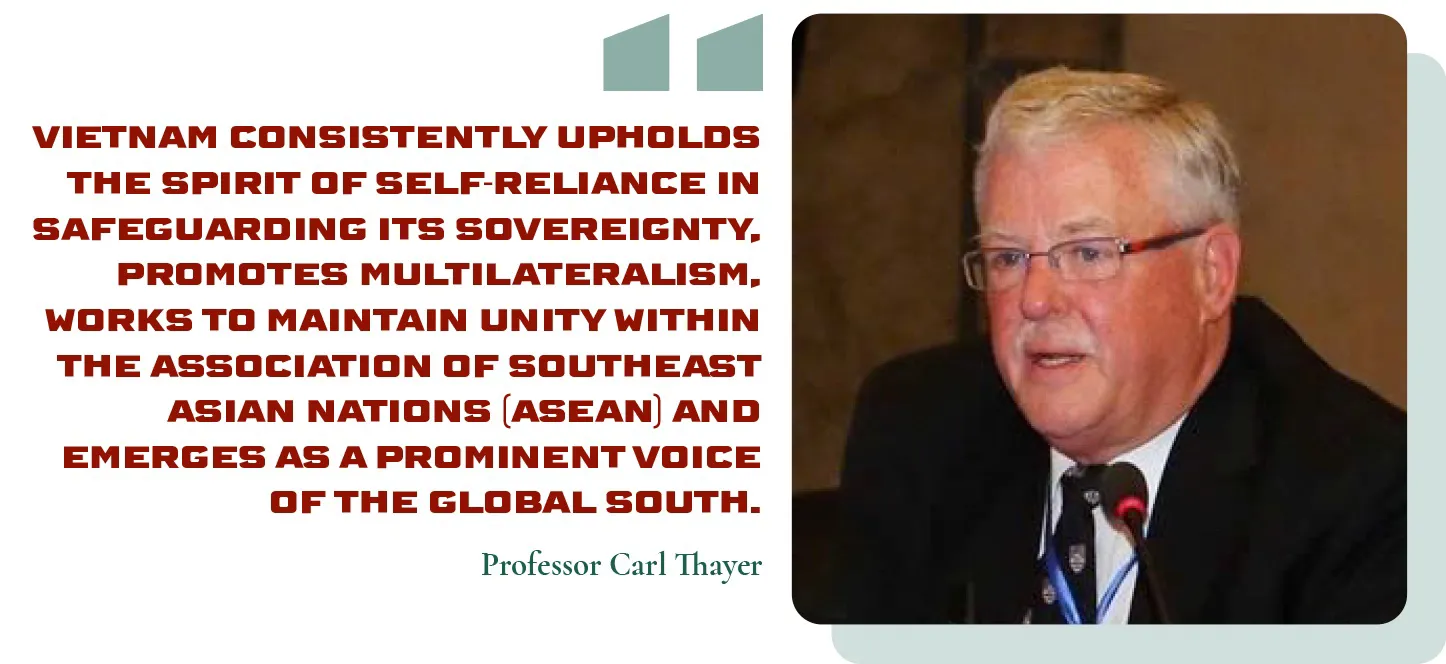
Professor Thayer noted that Vietnam has evolved from a war-torn nation into a lower-middle-income country with significant development achievements.
He said the country’s participation in global agreements based on balanced interests and national capacity enables Vietnam to preserve its identity while meeting the demands of deeper cooperation on environment, labor standards, digital governance and cybersecurity.
To make international commitments effective, coordination across governance levels remains crucial. Deputy Minister of Foreign Affairs Dang Hoang Giang stressed that integration must involve not only national agencies but also local authorities and communities to ensure sustainable implementation.
Professor Thayer added that continued reform of state institutions, improved governance and stronger law enforcement are essential to meet the quality requirements of global integration.
In sensitive areas such as the South China Sea (East Sea), balancing openness with national interests requires prudence and strategic foresight. Professor Borton observed that Vietnam has effectively used smart diplomacy and international law to safeguard its legitimate rights, while maintaining stability and constructive engagement.
Experts agree that Vietnam should continue to uphold its principles of independence and autonomy, avoid military alliances and maintain balanced relations with major powers. At the same time, Vietnam is encouraged to leverage soft power through culture, education and people-to-people diplomacy to reinforce its image as a trustworthy and constructive partner.
Regarding the implementation of Resolution 59, Permanent Deputy Minister of Foreign Affairs Nguyen Minh Vu said that the resolution provides a comprehensive framework for international engagement while modernizing Party leadership through digital management, political communication and technology.
“In the digital era, leadership is measured by adaptability, responsiveness and the ability to guide public discourse globally,” said Vu.
Vietnamese diplomatic missions, Vu said, are digitizing reporting systems, strengthening global networks and improving strategic forecasting to support international integration.
He said Party organizations abroad also play an important role in political leadership, mobilizing overseas Vietnamese communities and leveraging external resources for national development and international prestige.
Resolution 59 prioritizes training “global cadres” with strong international competence and deep national commitment, capable of navigating global systems while upholding Vietnam’s values. Greater investment in innovation, digital transformation, science and technology and human resource development is equally essential so that Vietnamese policymakers and negotiators can contribute ideas and initiatives rather than merely respond to external agendas.
A key challenge ahead is aligning domestic law with international commitments while protecting national interests, from maritime sovereignty to land management, investment and citizens’ rights. As Professor Thayer noted, Vietnam is no longer a country constrained by external pressures but a proactive and responsible partner in the international community.
Maintaining equilibrium is therefore a strategic choice: independence to preserve values and sovereignty, integration to seize opportunities, build soft power and enhance global standing. With Party General Secretary To Lam’s call for a new mindset, new position and new approach, and with Resolution 59 as a guiding framework, Vietnam is charting a clear and balanced course forward.
By ensuring that each policy and initiative is implemented with discipline, foresight and national character, Vietnam can solidify its balance between independence and integration, between principle and flexibility, and between internal strength and global cooperation. To sustain independence, Vietnam must not only become stronger and wealthier but also a nation that is respected and trusted at home and abroad.

Cultural exchange complements the strong economic ties in the Vietnam-Singapore relationship, underscoring their deepening regional partnership.
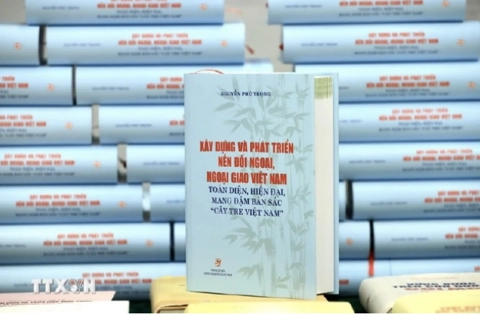
With an agile foreign policy, Vietnam has enhanced its international standing through balanced and diverse global partnerships.

Vietnam’s foreign policy is characterized by a measured approach that adheres to the “Bamboo Diplomacy” concept.
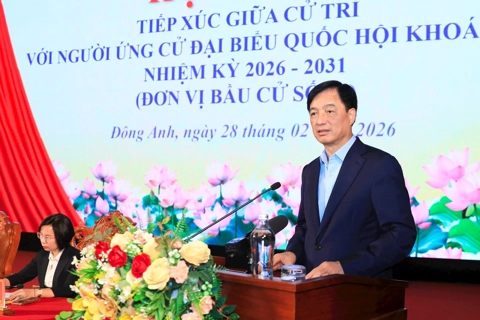
The candidates pledge institutional reform, infrastructure upgrades and a stronger focus on science, technology and public services as the capital prepares for the 16th National Assembly term.
28 Feb, 06:00 PM
As climate risks intensify across Southeast Asia, young people are being called upon to move from awareness to action, harnessing technology, creativity and policy engagement to accelerate environmental solutions.
26 Feb, 06:32 PM
The three resolutions on education, healthcare reform and cultural development are closely interconnected and mutually reinforcing, all directed toward building a capital that is cultured, civilized, modern and happy.
25 Feb, 03:48 PM
Developing the state economy and Vietnamese culture forms the twin pillars of a unified development strategy, one strengthening material capacity, the other reinforcing cultural and social resilience.
25 Feb, 03:19 PM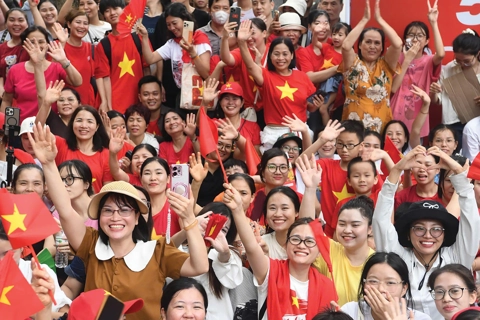
A central message of the 14th National Party Congress and the 18th Congress of the Hanoi Party Organization (2025-2030) is that people’s happiness must be at the core of development. All policies be grounded in citizens’ legitimate rights and interests, with public satisfaction serving as the ultimate measure of success.
24 Feb, 11:34 AM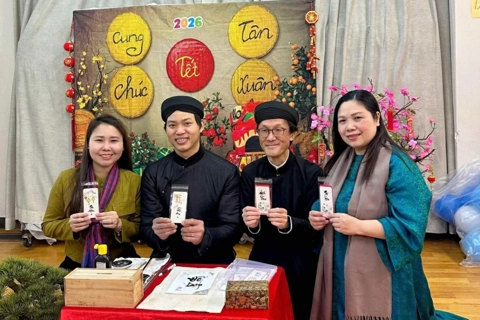
From Osaka in Japan to Lorient in France, Vietnamese communities are spreading the spirit of Tet through vibrant cultural celebrations.
24 Feb, 10:09 AM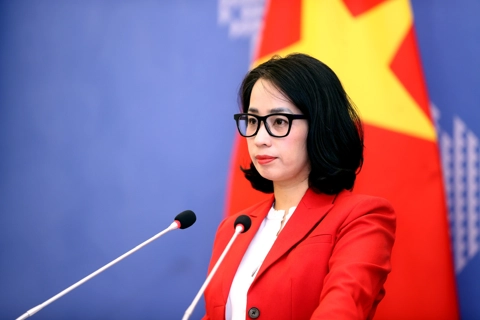
Vietnam has reaffirmed its strong commitment to meeting international standards on tax transparency and information exchange following the European Union's adding Vietnam to its list of non-cooperative tax jurisdictions.
22 Feb, 08:21 PM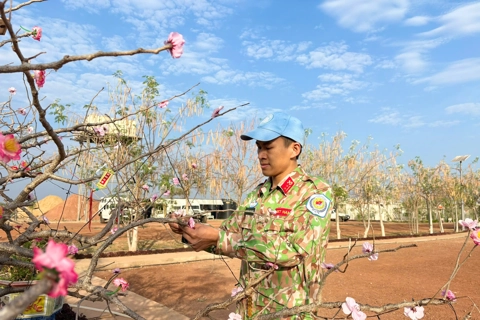
Under the dry winds and red dust of Abyei and Bentiu, mission compounds glow with paper blossoms and steaming banh chung, as each square rice cake carries from Vietnam to Africa a message of solidarity, compassion and enduring cultural identity.
22 Feb, 02:12 PM