Profitable Japanese firms in Vietnam hit record high since 2009
Vietnam is designing competitive and forward-looking policies to help FDI enterprises operate smoothly and succeed in the country.
THE HANOI TIMES — The share of Japanese companies operating in Vietnam that reported profits reached its 16-year highest level in 2025 at 67.5%, exceeding the ASEAN average of 65.3%.
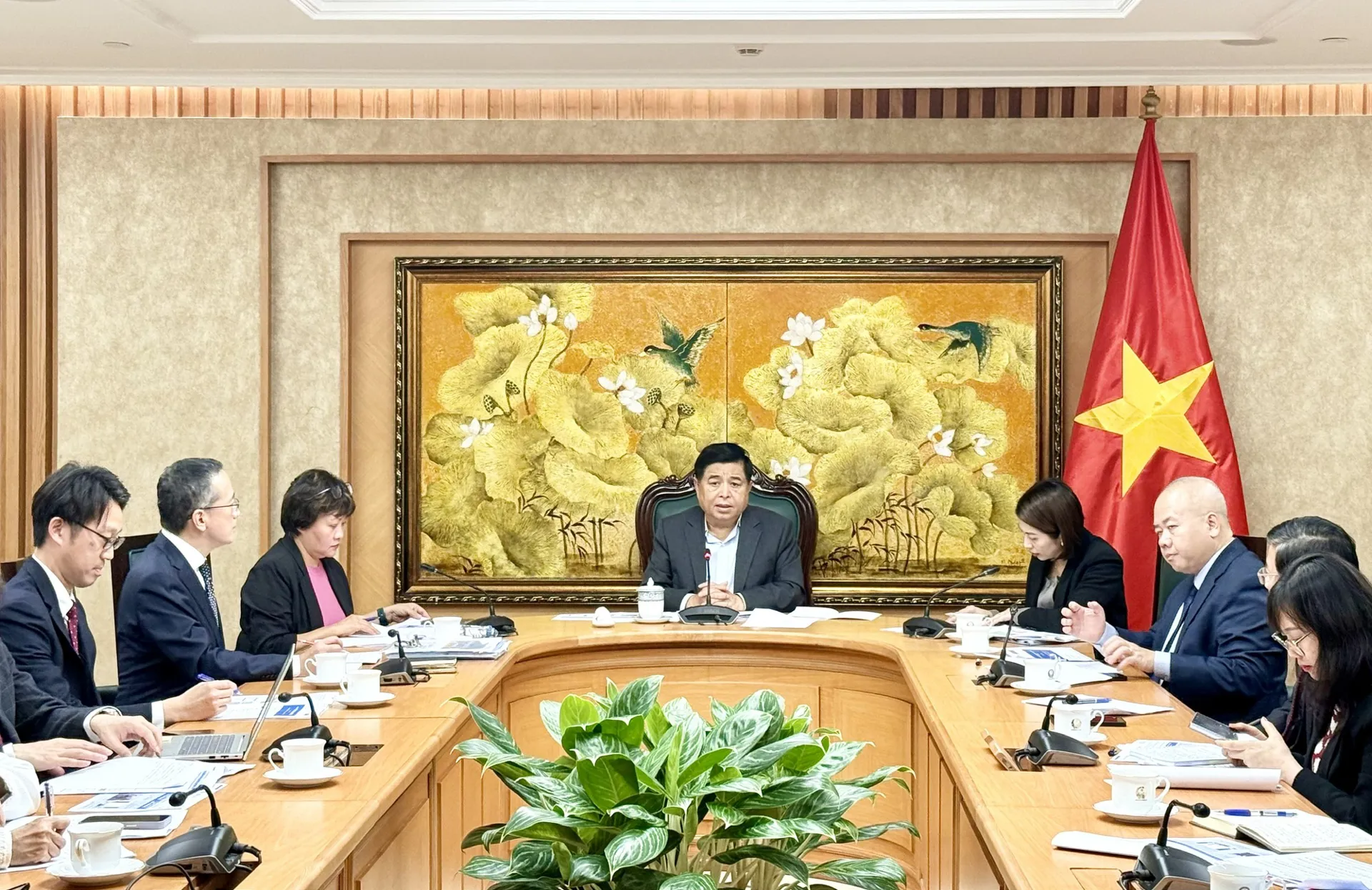
Overview of the meeting. Photo: Thu Sa/VGP
Ozasa Haruhiko, Chief Representative of the Hanoi Office of the Japan External Trade Organization (JETRO Hanoi), revealed the figures at a meeting with Deputy Prime Minister Nguyen Chi Dung on January 16, citing the agency’s latest survey.
Meanwhile, the proportion of Japanese firms planning to expand their business over the next one to two years remained the highest in ASEAN for the second consecutive year, underscoring Vietnam’s strong investment appeal.
The share of Japanese firms planning to expand their business over the next one to two years reached 56.9%, the highest in ASEAN for the second consecutive year.
The JETRO chief representative also expressed a desire to strengthen Vietnam-Japan cooperation, with JETRO playing an active role in connecting businesses from both sides and supporting long-term partnerships for shared growth.
Deputy Prime Minister Nguyen Chi Dung praised JETRO’s role in supporting businesses and improving Vietnam’s investment climate.
He said JETRO’s annual Survey on the Business Conditions of Japanese Companies Investing in Vietnam closely reflects market realities and provides highly practical insights.
“JETRO’s analysis offers valuable input that helps the Vietnamese government refine investment policies in a targeted and effective way, particularly in attracting high-quality foreign direct investment, including from Japan,” said Dung.
Despite recent challenges such as the pandemic, global economic slowdown, geopolitical tensions and the weakening yen, Japan has remained one of Vietnam’s leading investors.
JETRO’s survey results reaffirm Vietnam’s strong market potential and provide confidence for Japanese investors seeking stable, long-term and secure operations, Dung noted.
Addressing existing bottlenecks, the deputy prime minister welcomed JETRO’s recommendations.
He said Vietnam has issued a large number of laws, resolutions, decrees and circulars to improve the business environment. At the same time, administrative restructuring and the rollout of a two-tier local government model have laid the groundwork for a new phase of development.
Vietnam remains committed to achieving GDP growth of 10% or more in 2026 and during the 2026-2030 period, creating a foundation for the country’s long-term development goals toward 2030 and 2045.
To support this ambition, resolutions on private sector and state sector development have been issued. Vietnam is also finalizing a resolution for submission to the Politburo on the development of the foreign-invested economic sector.
With a renewed mindset and longer-term vision, Vietnam is opening up new opportunities for investors, including Japanese companies.
“Investors can remain confident in Vietnam’s market and continue to expand their presence,” Dung stated.
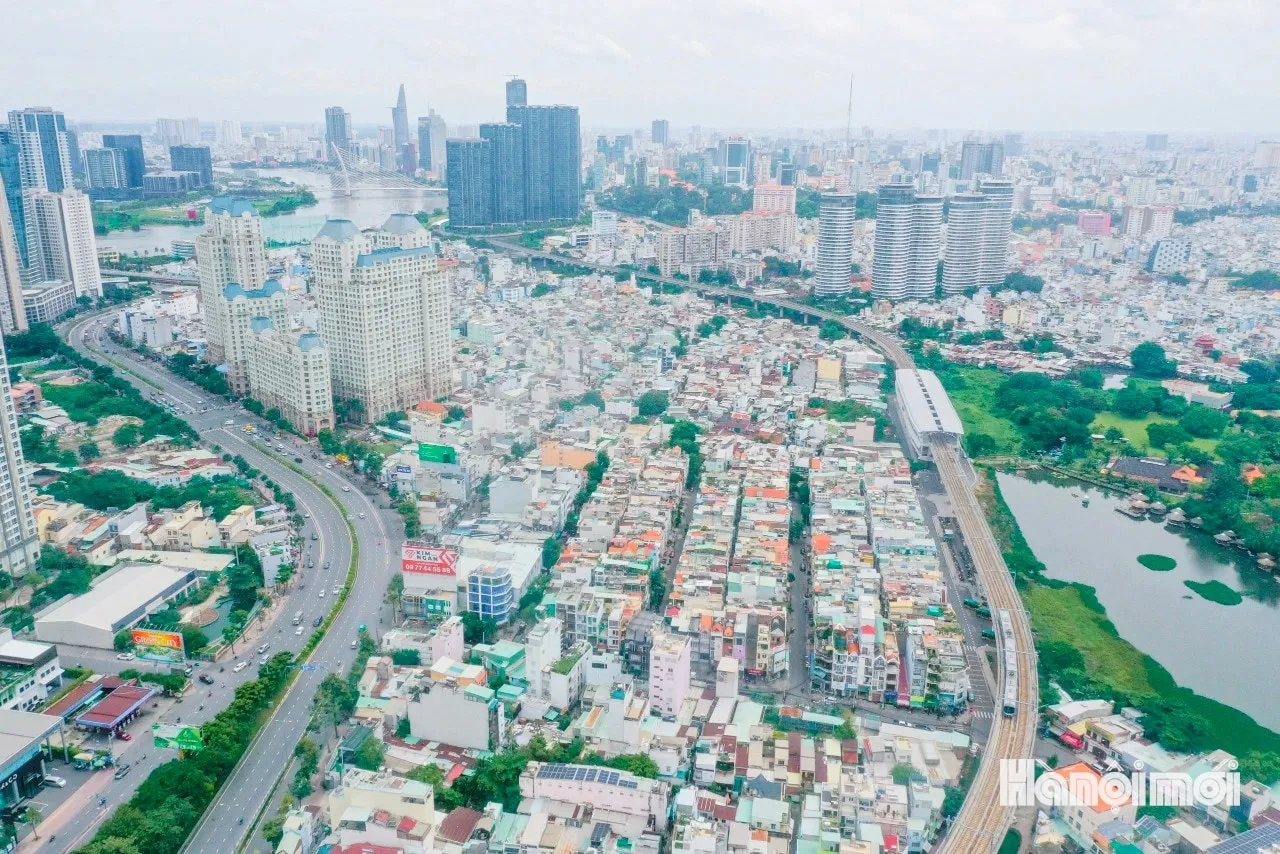
Ho Chi Minh City’s Metro Line 1 (Ben Thanh–Suoi Tien) stands as a symbol of cooperation between the city and Japan. Photo: Nguyen Le/hanoimoi.vn
Regarding foreign investment attraction, Vietnam is designing competitive and forward-looking policies to help FDI enterprises operate smoothly and succeed in the country.
Vietnam’s investment environment continues to improve and remains highly competitive.
Dung called on JETRO to continue working closely with the Ministry of Finance and Vietnamese partners to provide policy advice that supports deeper reforms. He also urged the agency to promote technology transfer and help Vietnamese firms strengthen competitiveness and integrate more deeply into Japanese value chains.
He stressed that the Vietnamese government places great importance on Japanese enterprises continuing to accompany Vietnam and invest for the long term.